Starbucks Regulars Say These 6 Changes Made Their Orders Worse
For some Starbucks regulars, the most frustrating part of ordering coffee isn’t the price or the line. It’s discovering that a drink they’ve enjoyed for years suddenly tastes different, costs more to customize, or is no longer on the menu.
Since 2025, Starbucks has introduced several changes, including revised drink recipes, new customization charges, menu cuts, and a redesigned Rewards program. The company says these decisions are meant to improve the customer experience, but not everyone is convinced.
These changes matter to many customers. Starbucks reported 35.8 million active U.S. Rewards members during its fiscal third quarter of 2026, with mobile orders accounting for 33% of transactions at U.S. company-operated stores.
While some customers welcome the added flexibility, others say their favorite orders have lost some of what made them special. Six changes have sparked complaints among Starbucks regulars.
The Chai Latte Recipe Doesn’t Taste the Same to Some Regulars
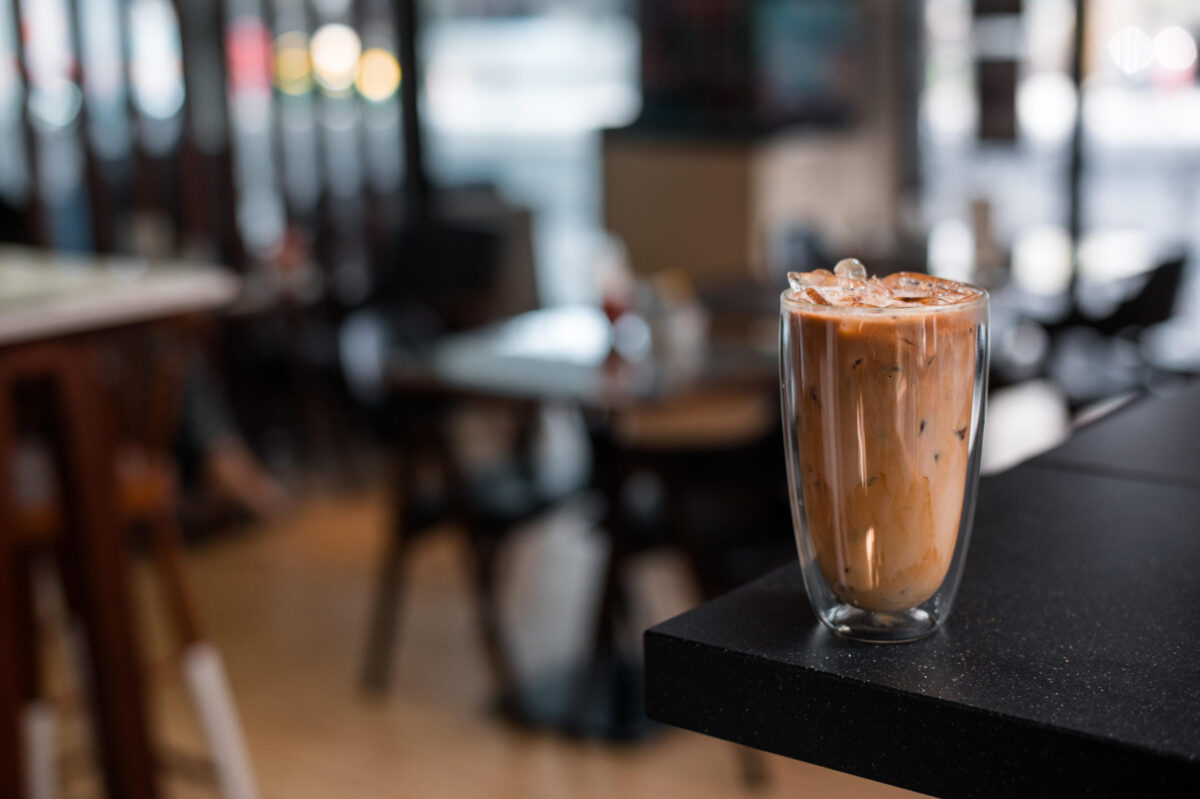
Imagine ordering the same iced chai latte for years, only to take a sip and wonder whether the barista made a mistake.
That’s what some Starbucks customers experienced after the company introduced a reformulated chai recipe on March 3, 2026.
The new chai base contains honey, while Classic syrup allows customers to adjust the sweetness. Starbucks presented the change as a way to offer greater personalization, emphasizing familiar spices such as cinnamon, cardamom, and ginger.
But longtime chai drinkers weren’t all impressed.
According to reporting summarized by Quartz in September 2026, Adam Benson, who had ordered Starbucks iced chai several times a week since 2001, eventually stopped buying it. Another longtime customer, Ricki Fairley, complained to company executives and began preparing chai at home.
Some customers described the replacement as too milky or lacking the familiar flavor they enjoyed.
Starbucks reportedly adjusted its hot chai preparation after customer feedback, though the iced version didn’t receive the same reported change.
For regulars who loved the original taste, additional customization hasn’t necessarily brought back their favorite drink.
Small Syrup Changes Started Adding Unexpected Charges
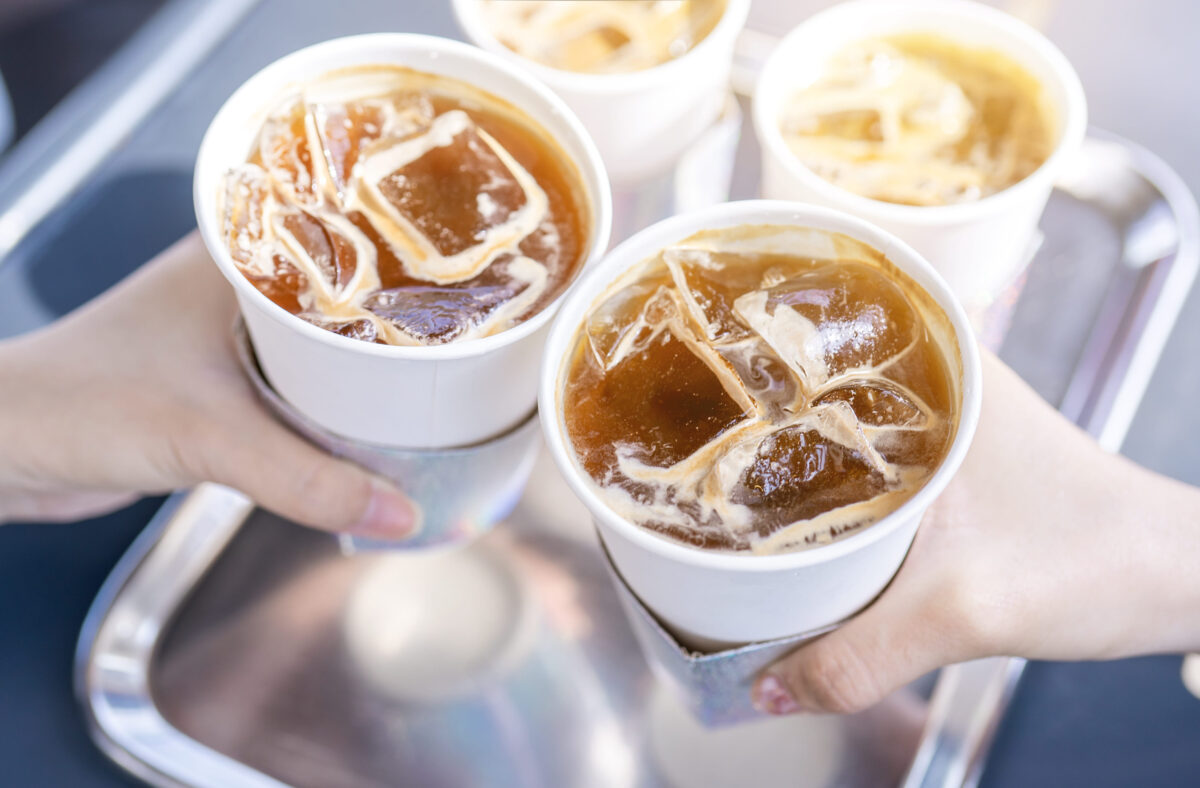
A little vanilla can make an ordinary iced coffee feel like your own signature creation. But what happens when that small addition suddenly costs extra?
On June 24, 2025, Starbucks introduced a standardized 80-cent charge for qualifying syrup and sauce customizations.
Previously, charges varied by drink and flavor combination. Under the revised structure, customers could pay a flat charge instead of being billed by the number of syrup pumps.
That sounds simple enough, but some customers found that modifications they once received at no extra charge now came with a fee.
In a June 2025 Reddit discussion, one regular reported seeing an 80-cent charge when adding vanilla to iced coffee, something they said hadn’t previously cost extra at their usual locations.
The policy doesn’t mean every syrup substitution costs extra. Some swaps remain free, and customers combining multiple flavors may actually benefit from the simplified structure.
Still, for someone who enjoys only a splash of flavor, that unexpected addition to the bill can be irritating.
Thirteen Familiar Drinks Disappeared From the Menu
There’s something comforting about walking into Starbucks and ordering your favorite drink without explaining a complicated combination of ingredients.
Unfortunately, that convenience disappeared for some customers on March 4, 2025.
Starbucks removed 13 named beverages from its standard menu, including the Java Chip Frappuccino, Iced Matcha Lemonade, White Chocolate Mocha Frappuccino, and Honey Almondmilk Flat White.
The decision was part of the company’s broader effort to simplify operations and focus on more popular products.
Starbucks explained its approach in an April 2025 statement: “We’re simplifying our menu to focus on fewer, more popular items, executed with excellence.”
Not everyone appreciated the trade-off.
One Reddit commenter described the Java Chip Frappuccino as a favorite they had ordered for more than 15 years. Allrecipes editor Victoria Soliz also expressed disappointment about losing the Iced Matcha Lemonade.
Some discontinued beverages can be approximated with remaining ingredients, but that isn’t the same as choosing a familiar favorite directly from the menu.
For loyal customers, the inconvenience adds to the frustration.
Related:8 Nostalgic Breakfast Drinks That Defined Our Childhoods
The Matcha Recipe Changed, and So Did Some Customers’ Opinions
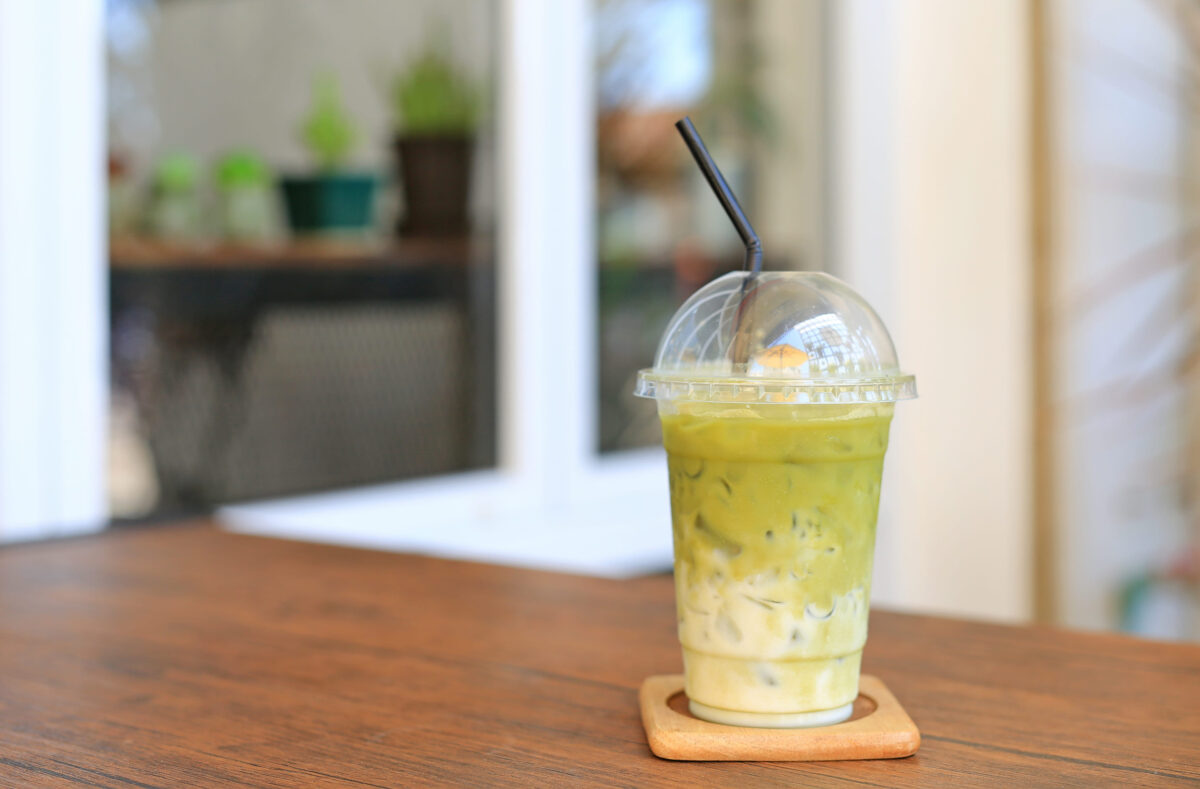
Starbucks matcha fans experienced another adjustment on January 3, 2025, when the company replaced its presweetened matcha powder with an unsweetened version.
Instead of having sweetness built into the powder, customers could adjust how much Classic syrup they added to their drinks.
In theory, that’s a welcome improvement. After all, not everyone likes their matcha equally sweet.
However, some regulars said the updated drinks didn’t deliver the same experience.
In a January 2025 Reddit discussion, customers reported receiving iced matcha beverages with clumps, separation, or excessive foam. Others complained that the flavor seemed different from what they remembered.
Importantly, the reaction wasn’t entirely negative. Some customers preferred having more control over sweetness and reported receiving smooth, enjoyable drinks.
Starbucks said the reformulation reflected customer requests for more customization.
The practical takeaway? If your matcha tastes different, adjusting the syrup may help with sweetness, although it won’t necessarily resolve every flavor or texture preference.
Related: 7 Simple Meals That Have Been Overcomplicated by Trends
Bringing Your Own Cup No Longer Guarantees 25 Bonus Stars
For environmentally conscious Starbucks regulars, bringing a reusable cup once came with a particularly attractive Rewards benefit.
Customers could earn 25 bonus Stars on qualifying purchases made with their personal cups, in addition to the Stars earned from the transaction.
That changed on June 24, 2025.
Starbucks replaced the fixed 25-Star bonus with double Stars on qualifying transactions. The company retained its 10-cent personal-cup discount at the time.
The difference can be especially noticeable for customers who purchase only one relatively inexpensive drink.
Under the previous 2025 prepaid-card earning structure, for example, a hypothetical $5 purchase would have earned 35 Stars with the personal-cup bonus. Under the replacement double-Star structure, that same hypothetical transaction would have earned 20 Stars.
Those figures illustrate the 2025 policy change, not the separate earning rates introduced in 2026.
Customers buying larger orders could benefit from double Stars, but some daily coffee drinkers felt they were losing a valuable perk.
The Redesigned Rewards Program Changed How Quickly Stars Add Up
Starbucks Rewards received another major makeover on March 10, 2026, when the company introduced three membership levels: Green, Gold, and Reserve.
The redesigned program offers different earning rates depending on membership status.
Green members earn one Star per dollar, Gold members earn 1.2, and Reserve members earn 1.7, before applicable additional bonuses.
Previously, customers using preloaded Starbucks Cards could earn two Stars per dollar under the old structure.
That difference frustrated some loyal customers accustomed to earning rewards through prepaid purchases.
The revised program also includes dollar limits on reward redemptions. For instance, the 200-Star handcrafted-drink reward covers qualifying purchases up to $10.
However, there are improvements. Gold and Reserve members receive Stars that don’t expire, along with longer birthday-reward redemption windows than Green members.
For some regulars, though, the redesigned earning system feels more complicated than simply saving Stars toward their next favorite drink.
The Bottom Line
Starbucks isn’t standing still, and that’s not necessarily a bad thing. More customization, simpler menus, and revised loyalty benefits can make ordering easier or more rewarding for certain customers.
But convenience is personal.
When someone has spent years perfecting their favorite coffee order, even a relatively small change can feel significant. Whether it’s the taste of chai, the cost of vanilla syrup, or the number of Stars earned with a reusable cup, regulars notice when familiar routines change.
And sometimes, all customers really want is to order the same drink they loved yesterday and have it taste exactly as they remember.