Most Americans Struggle to Answer These 10 Simple Questions About Their Own Country
Think you know your own country? Most Americans can’t even answer half of the basic questions that measure knowledge of the United States. From history to geography, government structure to cultural landmarks, many facts that seem common knowledge are slipping through the cracks. It’s startling how easy it is to overlook the very foundations of the nation we call home. These questions highlight not just gaps in knowledge but the risk of disconnect from the story that shapes daily life.
The surprising truth is that even adults with college degrees often stumble when asked what should be obvious. It’s not about memorizing trivia; it’s about understanding the context that guides voting decisions, civic engagement, and everyday conversations. We’ve compiled some of the most common stumbling blocks to test your own awareness and show why this knowledge matters more than ever.
The Capital Confusion
Many Americans struggle to correctly name state capitals beyond a few well-known examples. While big cities like Denver or Sacramento are familiar, less prominent capitals often trip people up. This gap isn’t trivial; state capitals are hubs for lawmaking and political decisions that affect daily life.
Knowing state capitals also helps connect citizens to local politics, fostering informed voting and civic awareness. The failure to recognize these hubs reflects broader gaps in geographic literacy and engagement.
The Constitution Challenge
Even basic questions about the Constitution can cause hesitation. Some Americans can’t identify the number of amendments or the rights guaranteed by the Bill of Rights. This isn’t just an academic issue; it’s a civic concern.
Understanding the Constitution helps people understand their rights and responsibilities. Without this knowledge, it’s difficult to participate fully in debates over civil liberties or government actions.
Historical Events That Shape Today

Many struggle to recall key events like the signing of the Declaration of Independence or the causes of the Civil War. These moments are not just dates; they’re turning points that define national identity.
Awareness of history informs present choices and cultural understanding. Ignorance of these events can lead to repeating past mistakes or misunderstanding contemporary policy debates.
Geographic Blind Spots
From identifying major rivers to mountain ranges, Americans often show gaps in geographic literacy. This affects not only knowledge of the country’s layout but also understanding of climate, economics, and regional culture.
Geographic awareness is critical for understanding natural disasters, trade, and population patterns. A lack of it disconnects people from how their environment shapes opportunities and challenges.
Political Process Gaps
Questions about the structure of government, such as the number of senators or the process for passing a bill, can leave many people puzzled. Civic literacy is essential for evaluating political actions and holding leaders accountable.
Without grasping the basics of governance, citizens may find themselves voting on issues or candidates without a full understanding, weakening democratic participation.
Flag Facts Forgotten

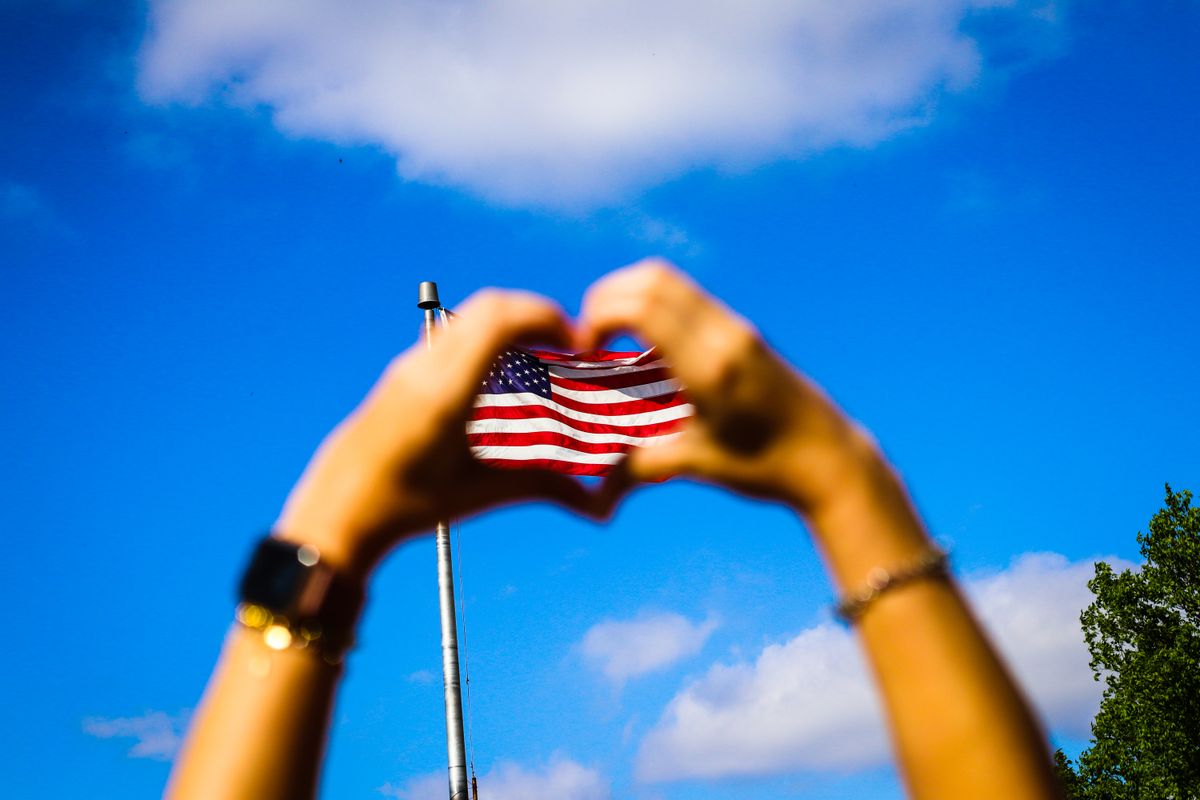
The stars and stripes are iconic, but Americans often struggle with even simple questions about the flag’s symbolism or history. Knowing national symbols fosters pride and a sense of shared identity.
These symbols carry meaning beyond decoration. Recognizing them connects people to the nation’s struggles, achievements, and ideals.
Presidential Pitfalls
From identifying presidents in order to understanding the electoral process, gaps in knowledge are common. Recognizing leaders and their roles is vital for interpreting historical and current events.
Presidential literacy affects how citizens evaluate leadership and policies. Ignorance here can influence the quality of political dialogue and decision-making.
Landmark Literacy Lapses
Famous landmarks like the Statue of Liberty or Mount Rushmore are widely recognized, but many Americans cannot identify them accurately or explain their significance. This reflects gaps in cultural education.
Landmarks are living history; understanding them deepens appreciation for the nation’s heritage. Losing touch with these icons diminishes collective memory.
Economic Awareness Weakness
Questions about basic economic principles or major industries often confuse respondents. Economic literacy is critical for understanding employment trends, taxation, and financial policy.
Without this knowledge, Americans may struggle to make informed personal and civic financial decisions, from voting to investments.
Civic Engagement Confusion

Finally, many fail to answer questions about how to engage in civic life, such as voting procedures or local government functions. This demonstrates a troubling gap in practical knowledge.
Civic engagement strengthens communities and democracy. Knowing how to participate effectively ensures that citizens can influence the decisions that shape their lives.
Even a cursory review of these ten areas shows why so many Americans fall short on simple national knowledge. It’s not just trivia, it’s about staying connected, informed, and capable of making decisions that impact everyday life. Take a moment to test yourself, and see how you stack up against these surprisingly tricky questions. Are you part of the informed minority or the bewildered majority?