These Soft Lemon Ricotta Cookies Have a Little Secret and It’s Hiding in the Cheese Aisle
Chocolate chips can take a break. Lemon ricotta cookies bring a different kind of charm to the cookie plate: a tender, cake-like center, a delicate citrus flavor and a sweet glaze that adds another bright hit of lemon. They are not trying to snap like shortbread or stretch like a chewy chocolate chip cookie. Their appeal is softness, and ricotta is a major reason for it. Baker and cookbook author Sally McKenney describes her version as “little bites of tangy and moist lemon cake.”
The combination also appears in Giada De Laurentiis’ lemon ricotta cookies, published on Giadzy, where fresh lemon juice and zest flavor both the dough and the glaze. Her updated recipe provides a straightforward route to that soft-centered result, with one scheduling detail worth knowing before the mixer comes out: the dough rests in the refrigerator overnight. This is an easy-to-follow baking project, but not a last-minute dessert. A little planning belongs on the ingredient list, right alongside the lemons.
The Ricotta Is Here for Texture, Not a Cheesecake Impression
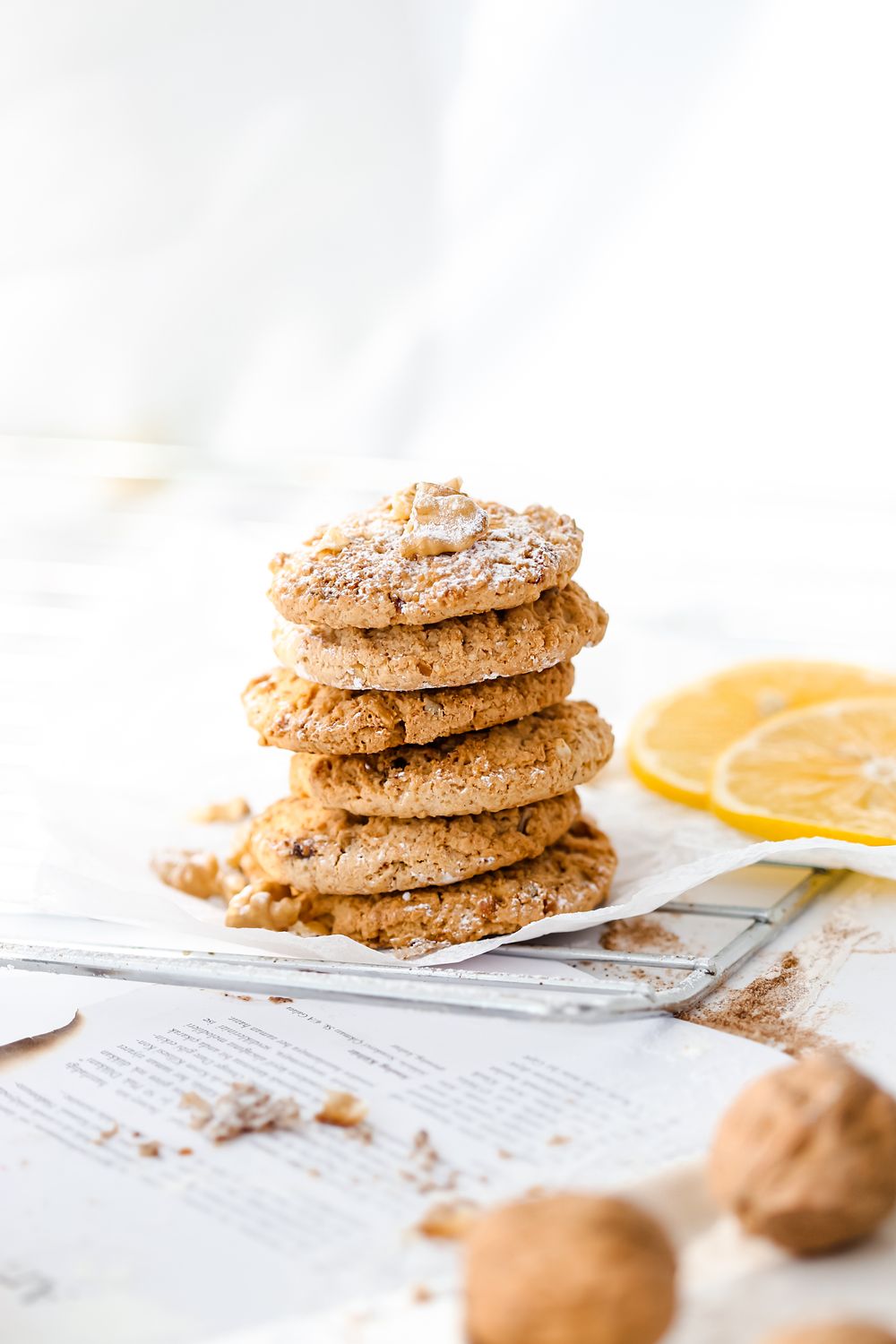
Putting cheese in cookie dough might sound like a plot twist, but the goal is not a strongly cheesy dessert. As McKenney explains, “When baked in a cookie, ricotta is less about flavor and more about texture.” She describes the result as creamy, moist, soft and airy. That distinction sets the right expectation: these are cake-like cookies with lemon flavor, not miniature cheesecakes or crisp biscuits. The tender interior is the feature, rather than something that needs extra oven time to fix.
De Laurentiis’ recipe calls for a 15-ounce container of whole-milk ricotta. The rest of the dough uses familiar baking staples: 2½ cups all-purpose flour, 1 teaspoon baking powder, 1 teaspoon salt, 1 stick softened unsalted butter, 2 cups sugar and 2 room-temperature eggs. Three tablespoons of lemon juice and the zest of one lemon provide the citrus component. Keeping those quantities together matters; they belong to one published formula, not a mix-and-match collection of instructions from several different cookie recipes.
The glaze gets its own lemon treatment: 1½ cups powdered sugar, 3 tablespoons lemon juice and the zest of another lemon. That means the shopping list needs enough lemons for two lemons’ worth of zest and 6 tablespoons of juice across the dough and topping. There is no lemon extract in this particular recipe. The citrus comes from juice and zest, with the glazed surface adding a second layer of flavor to the softer cookie underneath.
Mix the Dough Tonight, Bake the Cookies Tomorrow
Start by combining the flour, baking powder and salt in a medium bowl. In the bowl of an electric mixer, beat the softened butter and sugar on medium speed for about five minutes, until light and fluffy. Add the eggs one at a time, mixing well between additions, then beat in the ricotta, lemon juice and lemon zest. Fold in the dry ingredients to finish the dough. The sequence is simple, but it gives each part of the mixture its own step rather than asking the mixer to tackle everything at once.
Next comes the pause: cover the dough tightly with plastic wrap and refrigerate overnight. De Laurentiis includes that rest in her updatedinstructions, so it should be treated as part of the recipe rather than an optional convenience. McKenney also emphasizes chilling in her separately developed version, calling its dough a “cake batter/cookie dough hybrid.” In her testing, refrigeration helped the dough thicken and limited excessive spreading. The recipes have different formulas and chilling schedules, but both make clear that this is not ordinary firm cookie dough.
When ready to bake De Laurentiis’ version, heat the oven to 375°F and line two baking sheets with parchment paper. Portion the dough using about 1½ tablespoons per cookie, then bake for approximately 15 minutes. Her instructions specify that the cookies should be cooked through but still pale. That visual cue matters: a deep golden top is not the target here. Let the cookies rest on their baking sheet for 15 minutes after they leave the oven, and repeat with the remaining dough.
Resist the urge to combine those directions with another recipe’s temperature or scoop size.McKenney’s version, for example, uses 1-tablespoon portions and a 350°F oven, with a different ingredient balance. Neither approach needs correcting simply because the numbers differ. For a reliable starting point, choose one complete recipe and follow its measurements, resting period and baking instructions together. Here, that means sticking with De Laurentiis’ overnight chill, 1½-tablespoon portions and 375°F baking temperature.
Related: 8 Old-School Pantry Ingredients That Are Quietly Making a Comeback
The Lemon Glaze Deserves Its Own Moment
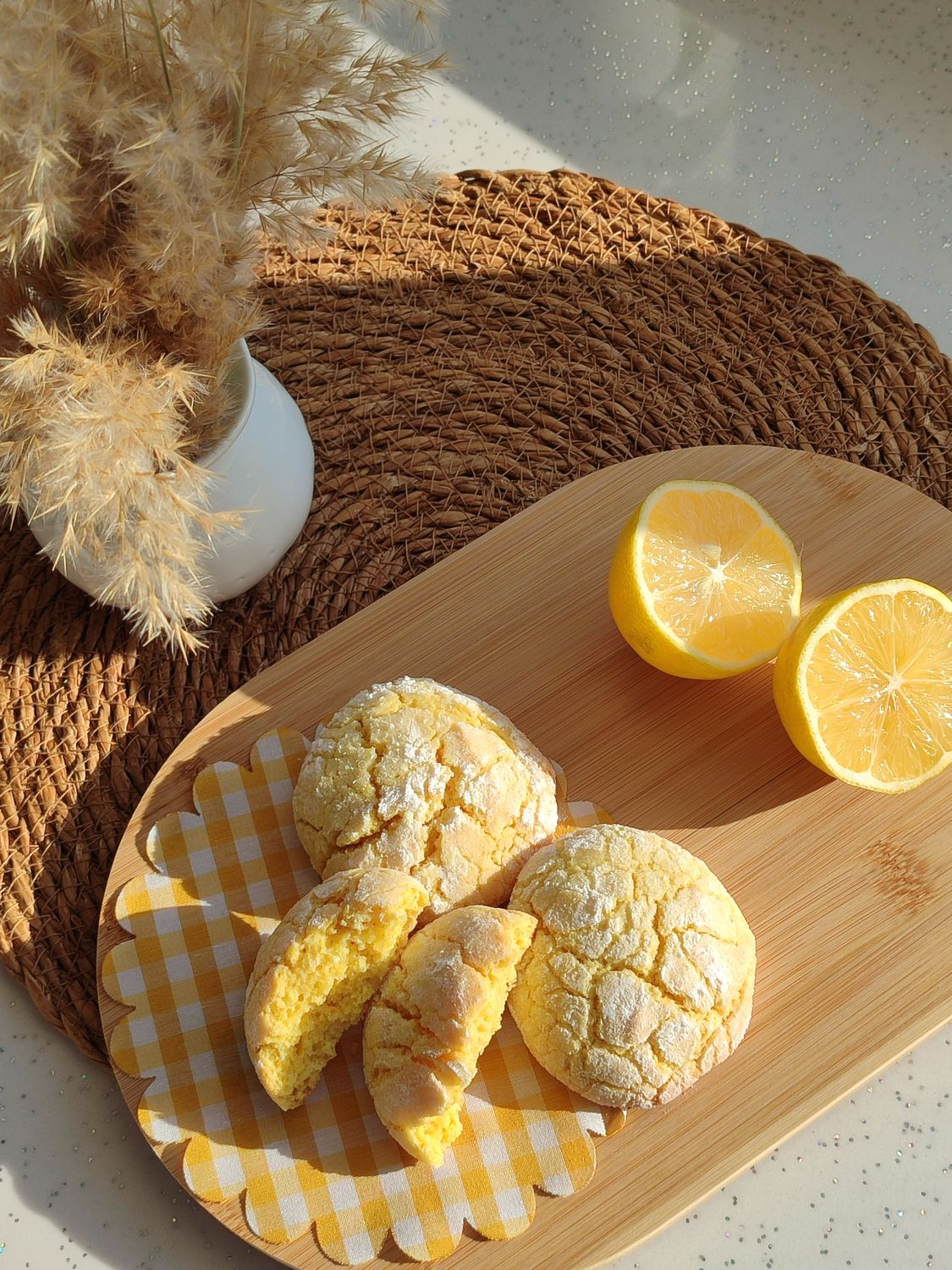
Once the cookies have cooled, stir the powdered sugar, lemon juice, and lemon zest together in a small bowl until smooth. Spoon about half a teaspoon over each cookie, then gently spread it with the back of the spoon. There is no piping bag required and no need to build a towering frosting swirl. This topping is a glaze: a relatively thin finishing layer that gives the cookies their sweet citrus cap without turning them into fully frosted cupcakes.
Let the glaze harden for about two hours, as De Laurentiis directs.That waiting period belongs in the plan if the cookies are headed to a dessert tray rather than straight from the cooling rack to an eager hand. It also explains why the recipe takes longer from start to finish than its active mixing time suggests. Between the overnight rest, baking, cooling and setting, the practical secret is less about working harder and more about leaving enough time between the steps.
For make-ahead storage, use guidance attached to the recipe you actually bake. McKenney’s separately tested version, for instance, lists two days covered at room temperature or up to one week refrigerated for glazed cookies; she also recommends freezing her baked cookies unglazed and finishing them after thawing. Those directions should not automatically be presented as testing for De Laurentiis’ formula. What both recipes offer is the same inviting idea: ricotta gives lemon cookies a softer side, and a simple citrus glaze makes that tenderness feel ready for company.