Why Panera Bread’s Soup Isn’t as Freshly Made as You Might Think
A steaming bowl of soup, a warm bread bowl, and a cozy café atmosphere. That’s the experience many customers associate with Panera Bread. But what happens behind the counter might change how you think about your next bowl of Broccoli Cheddar Soup.
Panera has built its reputation around comforting café meals, including soups, sandwiches, macaroni and cheese, and bakery favorites. However, some of its most recognizable menu items are prepared differently from what customers might expect. From frozen soup packages to changes in bread production, the chain’s kitchen operations are more complex than they appear.
Even Panera’s Famous Mac and Cheese Arrives Frozen
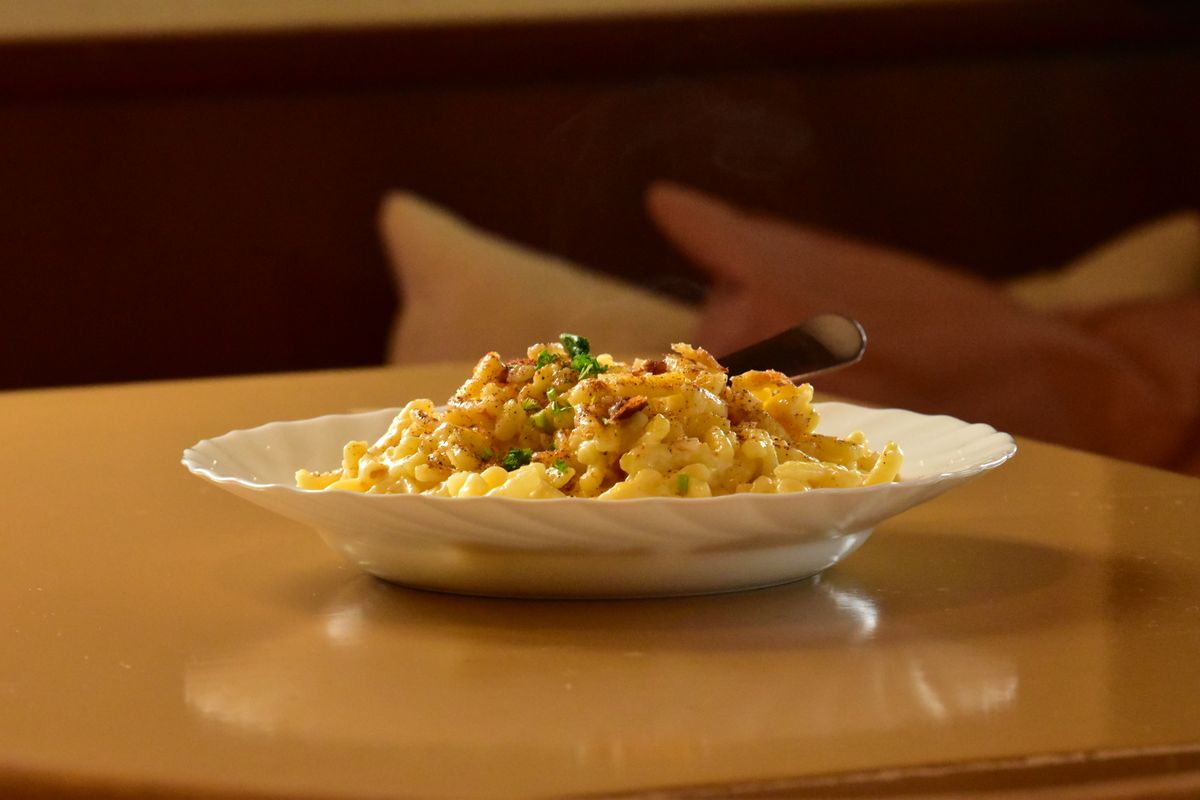
Before we get to the soup, another popular Panera item deserves mention: its macaroni and cheese. The creamy comfort food drew widespread attention in 2019 after an employee posted a TikTok video showing how it was prepared. The footage showed a frozen package being placed in hot water before the contents were served.
According to CNN’s October 2019 reporting, Panera confirmed that its macaroni and cheese was made off-site using the company’s proprietary recipe. A spokesperson explained that shipping the product frozen helped the chain avoid certain preservatives that did not meet its ingredient standards. The company also said the dish was prepared when ordered, rather than made from scratch inside individual cafés.
For customers who associate restaurant macaroni and cheese with a pot simmering in the kitchen, this preparation method may feel disappointing. However, frozen packaging doesn’t automatically mean the recipe lacks quality ingredients or flavor. It simply means that the cooking and preparation process begins somewhere other than the restaurant where the meal is purchased.
Panera’s Bread Production Has Also Changed
Bread is another important part of Panera’s identity, but the company has been changing how it produces its baked goods. Historically, Panera operated fresh dough facilities that supplied dough to nearby bakery-cafés. Employees at those cafés would then bake the products on-site.
In April 2025, Panera confirmed plans to close its remaining fresh-dough facilities and shift to a partially baked bread model. Under this approach, outside bakery producers prepare products according to Panera’s specifications, partially bake them, and freeze them for distribution. The bread is then finished in café ovens, rather than being made entirely from fresh dough at each restaurant.
The transition has continued into 2026, with additional facility closures reported as Panera adopts the new system. The company says the approach is meant to improve product availability, consistency, and variety. Still, customers should understand that bread baked inside a café isn’t necessarily bread prepared from scratch there.
So, What Actually Happens to Panera’s Soup?
Now comes the detail that might surprise soup lovers. Panera’s restaurant soups are prepared off-site and delivered frozen, not cooked from scratch in each café. Employees have described receiving soup in sealed packages and reheating it before service.
Reporting on Panera’s soup preparation mentions a piece of equipment called a rethermalizer. This equipment uses heated water to bring packaged food to serving temperature. The process allows restaurant employees to prepare soup without beginning with raw ingredients every time someone places an order.
That distinction matters because customers may interpret a freshly served bowl of soup as freshly cooked. A bowl can arrive piping hot even if the recipe was prepared elsewhere. Panera’s preparation system is designed for restaurant service, but it differs from the traditional image of a cook making soup in a kitchen throughout the day.
Related: 10-delicious-cheese-types-perfect-for-boards-and-cooking/
Why Panera Uses Frozen Food in the First Place
It may seem unusual for a café known for comforting meals to rely on frozen food, but the company has explained why. In 2019, Panera said freezing certain prepared products helped preserve them without using some preservatives excluded under its ingredient standards. Centralized preparation also makes it possible to follow standardized recipes across restaurants.
For a large restaurant chain, consistency matters. Customers ordering the same meal at different locations generally expect a familiar experience. Preparing certain foods at dedicated facilities can make that consistency easier to maintain.
However, consistency and freshness aren’t the same. A restaurant can serve a carefully prepared, previously frozen product that customers enjoy. Whether that experience justifies the menu price is ultimately up to each customer.
Does Frozen Soup Necessarily Taste Worse?
The biggest question is whether Panera’s preparation method actually affects the taste of its soups. Freezing and reheating can change the texture of certain foods, particularly soups made with cream, butter, or cheese. However, preparation method alone does not mean every bowl will taste worse than freshly made soup.
Panera’s own customer guidance acknowledges that cream-based soups can develop a grainy texture after undergoing freezing, thawing, and reheating. The company explains that this can happen because ingredients behave differently through repeated temperature changes. That does not necessarily mean the soup has spoiled or that every customer will notice an unpleasant texture.
For someone who enjoys Panera’s Broccoli Cheddar Soup, knowing it was previously frozen might not change anything. Others may prefer a restaurant that prepares its soup in-house using fresh ingredients. Taste is subjective, and frozen preparation doesn’t prove a particular soup lacks flavor.
What Customers Should Know Before Ordering Again
None of these details necessarily means customers should stop enjoying Panera Bread. The key distinction is between food prepared from scratch at a restaurant and food prepared elsewhere, then finished or reheated for service. Both approaches can produce enjoyable meals, but they aren’t the same experience.
If freshly prepared food is especially important to you, asking a restaurant how its meals are made can help you decide where to spend your money. Independently owned cafés may offer scratch-made soups, although their preparation methods vary, too. Ultimately, knowing what happens behind the counter makes it easier to choose a meal that matches your expectations.
Panera’s soup can still be comforting and satisfying, even if it starts its journey to your table in a frozen package. What matters is understanding what you’re buying, not assuming every steaming bowl was made from scratch that day. And for some customers, that difference may be enough to reconsider their next order.
Other articles you may like:
– 13-weird-old-fashioned-foods-only-boomers-eat/
– the-cozy-soup-formula-youll-want-on-repeat-when-dinner-feels-impossible-2/