
6 Kitchen Habits That Make Food Storage More Complicated Than It Needs to Be
Your refrigerator shouldn’t feel like a mystery box every time you open it. Yet forgotten leftovers, half-empty containers, and crowded shelves can make an ordinary kitchen feel surprisingly chaotic. The worst part? Those little storage habits can quietly waste money.
According to the U.S. Environmental Protection Agency, uneaten food costs the average American consumer $728 per year, about $14 per week. The estimate covers uneaten food purchased for meals at home and elsewhere, so poor refrigerator habits don’t explain the entire cost. Still, those numbers offer a good reason to rethink what happens after dinner or a grocery run.
Waiting too long to refrigerate leftovers
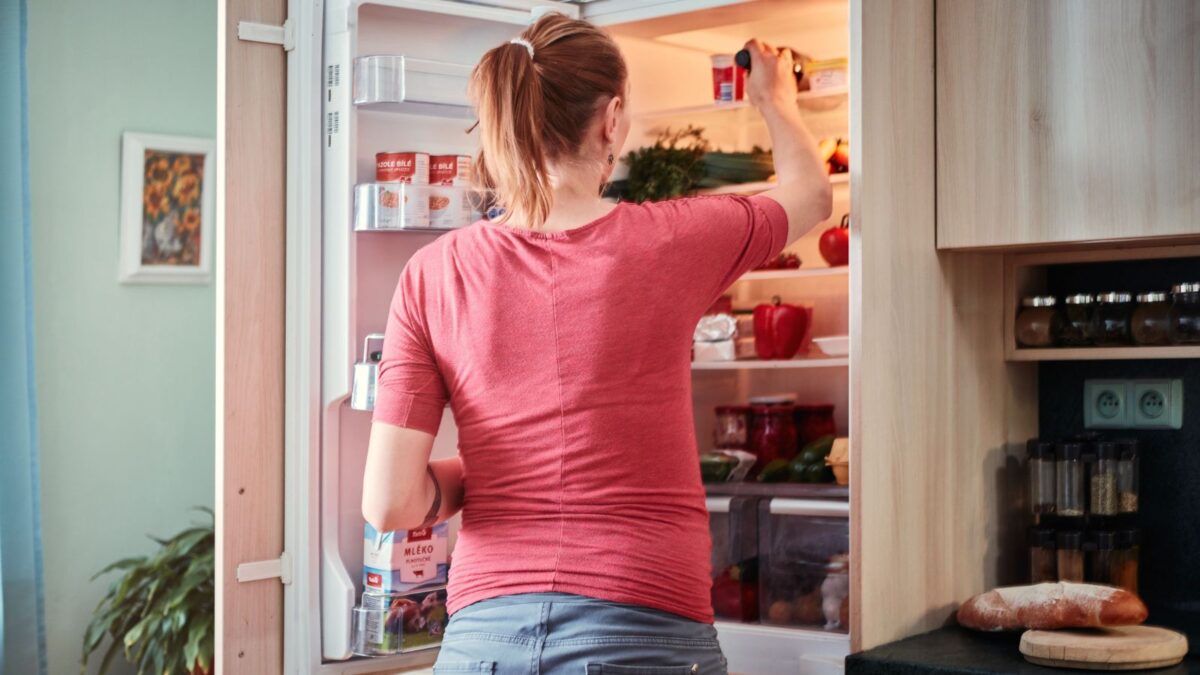
Letting leftovers cool completely before putting them away might seem like a sensible kitchen rule, especially if you grew up watching someone leave a pot on the stove after dinner. But that extra waiting period isn’t necessary. The U.S. Food and Drug Administration explains that hot food can go directly into the refrigerator without damaging the appliance.
Instead of keeping dinner on the counter, divide larger portions into smaller, shallow containers. This allows the contents to cool more quickly once refrigerated. You can also avoid the familiar situation where someone discovers the leftovers still sitting out hours later.
Once dinner ends, portion the remaining food, put it away, and get on with your evening. It’s one less kitchen chore demanding your attention.
Filling every inch of the refrigerator
Packing your refrigerator until nothing else fits may feel like excellent space management. After all, nobody enjoys rearranging containers just to squeeze in another grocery item.
A refrigerator thermometer can help you check those conditions instead of guessing. Give containers enough breathing room rather than turning every shelf into a balancing act. You don’t need perfectly matching storage bins or an elaborate arrangement.
Simply leave some space between items and avoid stacking everything into one crowded corner. An organized refrigerator should make finding dinner easier, not feel like solving a puzzle every time you open the door.
Moving eggs into the refrigerator door
Transferring eggs into the refrigerator door tray might look like a clever organizing trick. Some refrigerators even provide built-in compartments that make the arrangement especially tempting. The USDA Food Safety and Inspection Service recommends storing eggs in their original carton on an interior refrigerator shelf rather than in the door compartments.
Every time someone opens the refrigerator, the door experiences greater temperature changes than the interior shelves. The original packaging also keeps useful information, including printed dates, close at hand. You won’t need to remember which carton the eggs came from or search for discarded packaging later.
There is no need to purchase another organizer or create an extra storage routine. Leave the eggs in their carton, find an interior shelf, and consider that job finished.
Relatable: 20 Essential Items To Store in the Refrigerator at All Times
Treating printed dates as automatic deadlines
Throwing away food simply because a printed date has passed can make grocery management unnecessarily stressful. Labels such as “best if used by,” “sell by,” and “use by” don’t always mean what shoppers assume.
The major federal exception involves infant formula, which requires a use-by date. For other products, manufacturers generally use dates to communicate when they expect the food to maintain its best quality. That distinction matters when you’re deciding what to keep and what to discard.
Still, a future date doesn’t guarantee that improperly stored food remains suitable for consumption. Instead of treating every label like a countdown clock, consider the printed information alongside the product’s storage instructions and history.
Leaving leftovers uncovered in the refrigerator
Sliding an uncovered bowl onto a refrigerator shelf can seem harmless when you’re rushing to finish cleaning the kitchen. Perhaps you plan to find a lid later, or you assume the food will be fine until the next meal. Unfortunately, this approach creates another small job that often gets forgotten.
The U.S. Food and Drug Administration recommends keeping all refrigerated foods in covered containers or sealed storage bags to prevent contamination and spoilage. Poor freezer packaging can contribute to freezer burn, which affects food quality but doesn’t make it unsafe on its own.
Fortunately, the solution doesn’t require an expensive collection of matching containers. Use a suitable lid, close the storage bag properly, or securely wrap the food before putting it away. That simple step finishes the task immediately. Your refrigerator stays more manageable, and you avoid returning later to deal with another forgotten bowl.
Relatable: Best Practices for Seasonal Storage
Forgetting to check labels after opening
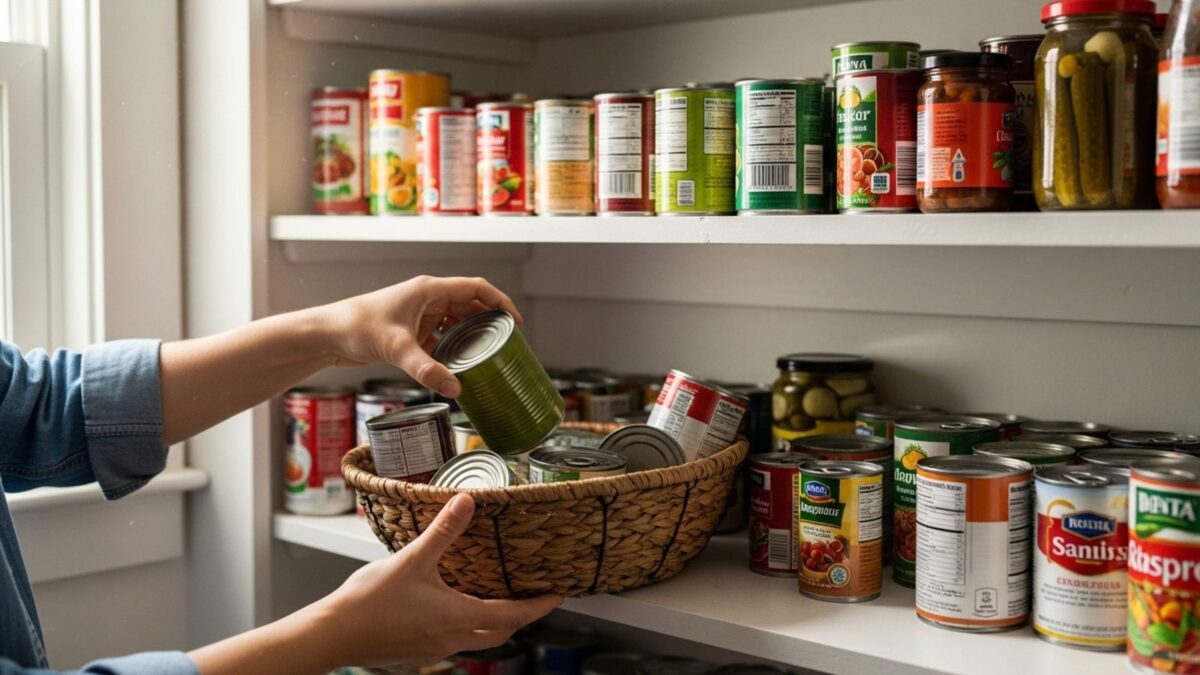
Assuming pantry products can return to the cupboard after opening creates unnecessary guesswork. Just because a jar or bottle sat on a grocery store shelf doesn’t mean it belongs in your pantry forever. Some products require refrigeration once someone opens the packaging, even though stores display them at room temperature.
A simple instruction such as “refrigerate after opening” tells you what to do next. Take a moment to read the packaging before returning the product to its usual spot. If the manufacturer calls for refrigeration, move it to the refrigerator instead of guessing.
This small habit eliminates the frustrating question of where something belongs after you’ve already opened it. You don’t need to memorize storage rules for every pantry item. Let the package instructions guide you, and keep the process simple.


