Small Details That Explain Why Bakery Cookies Taste Different From Homemade Ones
A bakery cookie can make you pause after the first bite. Maybe its center stays soft, or its chocolate stretches into glossy pockets. Your homemade batch might use familiar ingredients and still deliver a completely different experience. So what gives?
For one clue, look at the clock. In a prominent side-by-side baking test documented in their guide on Chilling Cookie Dough, King Arthur Baking demonstrated that refrigerating chocolate chip cookie dough for just 30 minutes drastically alters the final product.
The test suggests that small choices can have a big impact. Dough temperature, chocolate shape, and even the pan can change the cookie that lands on your plate. Here are details worth noticing the next time you reach for your mixing bowl.
The dough gets a rest
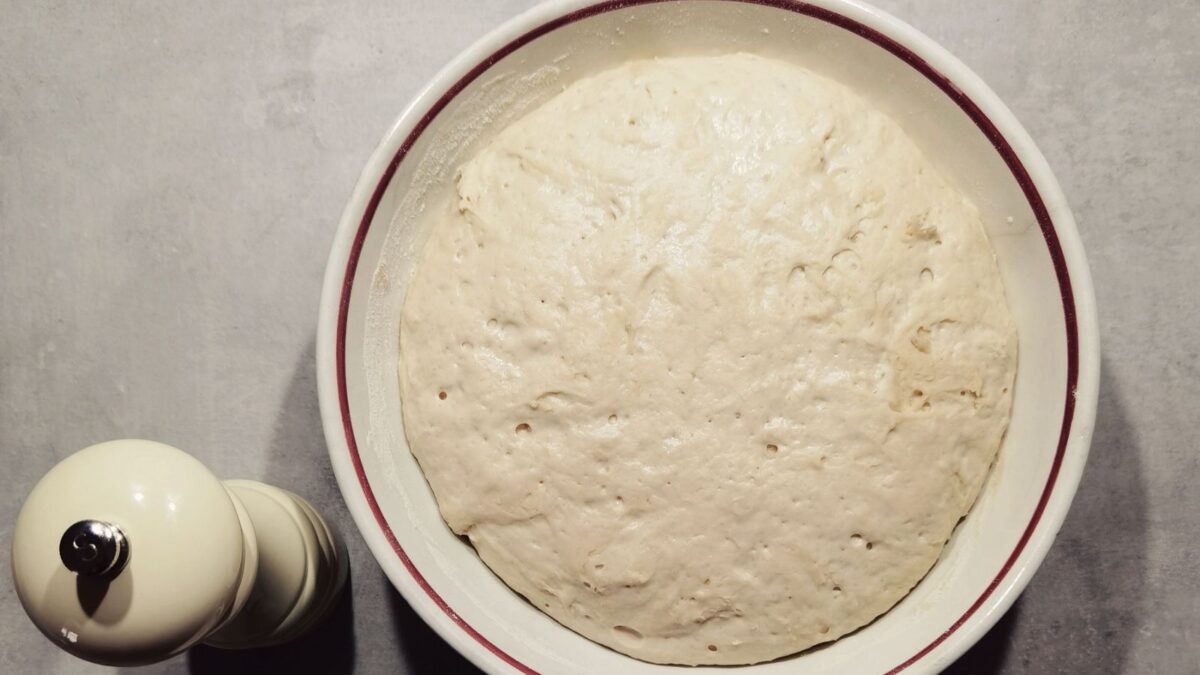
That bowl of cookie dough might tempt you to turn on the oven right away. But a little time in the fridge can give you a different result. The rested chocolate-chip dough spread less and produced a chewier cookie than dough baked immediately. The cookies also browned more, and longer rests brought more flavor.
The company explains that chilling firms up the fat, so it takes longer to melt in the oven. That delay helps the dough hold its shape as it bakes. You don’t need to assume every bakery follows this step to appreciate what it can do.
If your cookies often come out flatter than you like, try a short rest and compare the results. You might find that your favorite ingredient was a little patience.
The chocolate gets chopped
A neat chocolate chip gives you a tidy little bite of chocolate. Chopped chocolate takes a more free-spirited approach. You can end up with small flecks throughout the dough and larger pieces that create soft pockets. That variety can make each bite feel a little different from the last.
While developing a cookie recipe, King Arthur Baking’s Molly Marzalek-Kelly found that chopped chocolate results in a better overall eating experience.” Use chopped bars or wafers, or roughly chop chocolate chips.
That gives you an easy experiment without sending you on a hunt for a special ingredient. It also puts the focus on the chocolate’s shape and distribution, rather than its price. If you love those little pools of chocolate, this detail deserves a spot on your baking list.
The recipe balances sugar and fat
Some cookies greet you with a crisp edge and a snap. Others bend before they break and offer a softer center. The recipe’s balance helps create that difference. Sugar, fat, flour, and baking choices work together, so no single ingredient tells the whole story.
King Arthur Baking adjusts the proportions of brown and white sugar, swaps shortening for butter, and lowers the oven temperature to create a softer, chewier version of a starting recipe. Those changes happen together, so the test cannot credit brown sugar alone for the result. Instead, think of the recipe as a team effort.
If you want a different texture, start with a recipe that aims for it, then pay attention to the full set of ingredients and instructions. A bakery counter and your kitchen can both turn out wonderful cookies; they may simply follow different formulas.
Relatable: 10 Best Easy Dinner Recipes for Families
The baking sheet matters
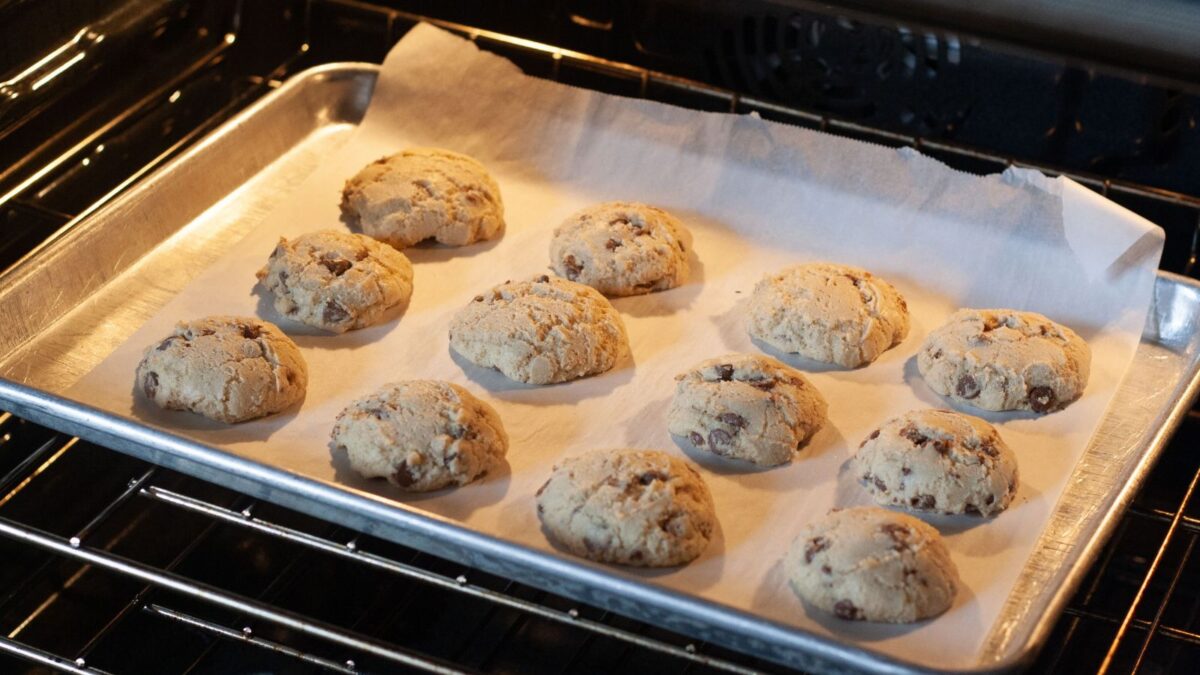
Your baking sheet does more than carry dough into the oven. It also affects what happens to the bottom of each cookie. A dark, well-loved pan and a shiny, lighter one can give the same dough different results. That helps explain why a recipe can look perfect on paper but brown differently in your kitchen.
For its baking-sheet test, King Arthur Baking tried the same snickerdoodle dough on four pans, using parchment on part of each one. The cookie bottoms showed noticeable differences in color.
The company found that different pans could produce similar results, but they needed different baking times. So keep an eye on your cookies as they approach the recipe’s suggested finish. Once you know how your favorite pan behaves, you can use that knowledge for your next batch.
Serving temperature changes the experience
A warm cookie offers a different kind of pleasure from one that has cooled on the counter. Soft chocolate can give each bite a melty feel, while a cooler cookie offers another texture.
Some bakeries even choose different serving temperatures for different flavors. That choice can shape your first impression before you notice anything else.
A warm bakery cookie and a fully cooled homemade one may offer different eating experiences. Next time you compare them, notice the temperature along with the chocolate and texture. You might discover another reason that first bite feels so memorable.