8 Foods Americans Love That Leave the Rest of the World Confused
Americans have a special talent for turning unusual food combinations into beloved traditions. From putting marshmallows on sweet potatoes to pairing peanut butter with fruit jelly, some everyday American favorites can leave international visitors scratching their heads.
These foods are interesting not necessarily because people elsewhere dislike them. Many reflect flavors, eating habits, and traditions that developed differently in the United States. According to the National Hot Dog and Sausage Council, Americans spent more than $11 billion on hot dogs and sausages at supermarkets in 2025, showing how deeply certain comfort foods are embedded in American culture.
Here are 10 American favorites that may confuse people unfamiliar with the country’s food traditions.
Peanut Butter and Jelly Sandwiches
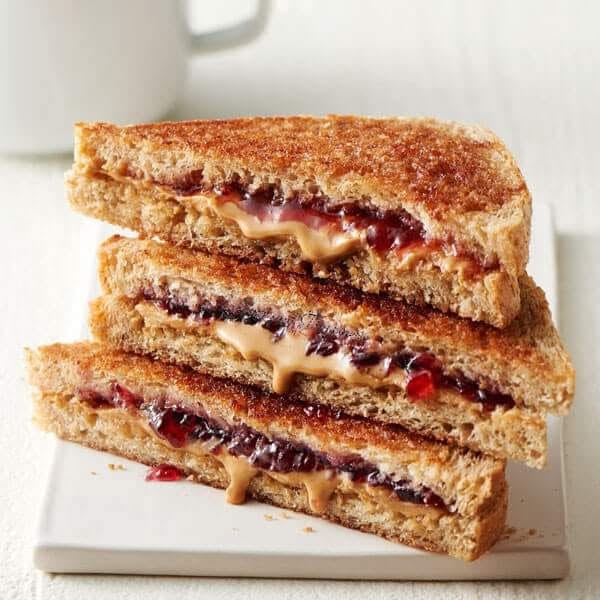
For millions of Americans, peanut butter and jelly sandwiches bring back memories of school lunches and childhood afternoons.
But imagine explaining this combination to someone who’s never tried it: salty peanut paste on soft bread, topped with sweet fruit jelly.
The appeal isn’t immediately obvious to everyone.
Peanut butter provides a rich, creamy texture, while jelly delivers sweetness. Together, they create a familiar contrast that generations of Americans have grown up enjoying.
According to Smithsonian Magazine, one of the earliest published recipes combining peanut butter and jelly appeared in 1901. The sandwich later became associated with American school lunches as commercial peanut butter and sliced bread became widely available.
Outside the United States, people don’t necessarily use peanut butter the same way, making this sandwich a particularly American comfort food.
Biscuits and Gravy
Ask an American Southerner about biscuits and gravy, and you might hear enthusiastic praise.
Ask someone from Britain, and the name alone could create confusion.
That’s because American biscuits are soft, fluffy baked breads, not the sweet or crisp cookies commonly called biscuits in Britain.
The gravy is another surprise.
Instead of the darker sauce often associated with roasted meats, Southern sausage gravy is typically creamy and peppery, made with milk, flour, and sausage drippings.
The finished dish is hearty, savory, and especially popular as a breakfast.
For someone expecting cookies covered in brown gravy, the idea sounds bizarre.
Yet in the American South, biscuits and gravy are an enduring part of regional cooking, served everywhere from family kitchens to neighborhood diners.
Related:37 of The Weirdest and Most Unconventional Delicacies in the U.S
Sweet Potato Casserole With Marshmallows
Sweet potatoes are enjoyed in many countries, but Americans have developed an especially sweet way to serve them.
At Thanksgiving, some families prepare mashed sweet potatoes topped with miniature marshmallows, brown sugar, and butter.
The result looks almost like a dessert but appears alongside turkey, stuffing, and vegetables.
For people accustomed to savory vegetable dishes, the combination can be surprising.
Interestingly, this tradition has a commercial history.
Smithsonian Magazine reports that a 1917 cookbook produced for a marshmallow company included an early documented recipe for mashed sweet potatoes baked with marshmallows.
What began partly as an effort to promote marshmallow sales eventually became a holiday staple.
Today, families still debate whether marshmallows belong on sweet potatoes, proving that even Americans don’t universally agree on this unusual side dish.
Related:20 Odd American Traditions That Confuse the Rest of the World
Root Beer
Root beer is a familiar soda flavor throughout much of the United States, especially when served cold or poured over vanilla ice cream.
But its taste can surprise visitors from other countries.
Unlike cola or lemon-lime soda, root beer features a distinctive blend of sweet, herbal, and aromatic flavors.
Traditional recipes used ingredients such as sassafras and other roots and botanicals, though modern commercial formulas vary.
Some people unfamiliar with the drink associate its flavor with toothpaste, cough remedies, or medicinal products.
Americans who grew up drinking root beer, however, often associate it with summer afternoons, burger restaurants, and classic soda fountains.
The root beer float, made by adding vanilla ice cream to the drink, takes the experience even further.
For fans, the combination is nostalgic and refreshing. For newcomers, it may be an acquired taste.
Chicken and Waffles
Fried chicken is beloved worldwide. Waffles are also enjoyed internationally. But combining them on the same plate can raise eyebrows.
American chicken and waffles typically feature crispy, seasoned fried chicken served over fluffy waffles, sometimes finished with butter and maple syrup.
The dish combines salty, savory, and sweet flavors in one meal.
For newcomers, pouring syrup over fried chicken may seem unusual.
However, the combination has deep roots in American food history.
PBS Food traces early versions of chicken and waffles to Pennsylvania Dutch cooking. At the same time, African American culinary traditions, including Harlem’s restaurant scene, helped popularize the fried-chicken-and-waffles combination.
Today, the dish appears at brunch restaurants, soul food establishments, and diners nationwide.
Spray Cheese
Cheese usually comes in blocks, slices, or spreads. But Americans also have a version that comes out of a pressurized can.
Spray cheese, commonly associated with Easy Cheese, is a processed cheese product you can dispense directly onto crackers.
For people accustomed to traditional cheeses, cheese in an aerosol-style container can seem strange.
Its bright color, smooth texture, and convenient packaging are all part of its identity.
Unlike traditional cheese that requires slicing or grating, spray cheese is designed for quick snacking.
It became associated with America’s enthusiasm for convenient, ready-to-eat foods.
Although it isn’t everyone’s favorite, it remains a recognizable example of American snack culture.
Its appeal comes more from convenience and nostalgia than from its resemblance to artisanal cheese.
Corn Dogs
Imagine taking a hot dog, coating it in thick cornmeal batter, skewering it, and deep-frying it.
That’s the basic idea behind a corn dog.
For many Americans, the result is a delicious combination of slightly sweet batter and savory sausage.
Corn dogs are especially associated with state fairs, amusement parks, sporting events, and frozen convenience foods.
The stick makes them easy to eat on the go, and the crispy coating contrasts with the soft sausage inside.
Someone unfamiliar with American fair food might wonder why a hot dog needs an extra layer of fried batter.
But for corn dog enthusiasts, that’s precisely what makes it appealing.
Served with mustard or ketchup, the corn dog represents the playful side of American food traditions.
Jell-O Salad
Few American dishes confuse newcomers as much as Jell-O salad.
Despite its name, it doesn’t necessarily contain lettuce or leafy greens.
Instead, the dish often combines flavored gelatin with fruits, whipped topping, cottage cheese, or other ingredients.
Older savory recipes even included vegetables and mayonnaise.
These unusual combinations were especially fashionable in American households during the mid-20th century.
According to the Smithsonian’s National Museum of American History, gelatin dishes became increasingly accessible as packaged gelatin and household refrigeration gained popularity.
Gelatin salads appeared at family gatherings, church potlucks, and holiday dinners.
Although their popularity has declined from its peak, some families still treasure these colorful recipes.
For international visitors, however, calling a wobbly, sweet gelatin creation a salad might be the most confusing part.
Why American Food Traditions Can Seem So Unusual
American cuisine has developed through centuries of immigration, regional traditions, Indigenous foodways, commercial food production, and changing household habits.
That history helps explain why the country’s food preferences can appear so varied.
Sweet and savory combinations stand out, whether it’s marshmallows on sweet potatoes or syrup over fried chicken.
Convenience also plays a major role, as demonstrated by packaged gelatin desserts, spray cheese, and handheld fair foods.
Still, unusual doesn’t necessarily mean bad.
Many foods that Americans initially find strange when traveling abroad are ordinary favorites in their countries of origin.
The same principle applies to American dishes.
Other Posts You Might Like:
10 American Foods That Make Visitors Scratch Their Heads- But Many Americans Still Love
7 Worst American Foods That Leave International Visitors Horrified