8 Foods Americans Should Consider Cutting From Their Diets
Walk through any American grocery store, and you’ll find shelves packed with convenient, affordable, and tempting foods. From sugary breakfast cereals to frozen dinners and salty snacks, many have become everyday staples in households across the country.
But some of these familiar favorites may be worth reconsidering, especially when they’re part of your daily routine.
According to the U.S. Food and Drug Administration (FDA), Americans consume approximately 3,400 milligrams of sodium daily, well above the recommended limit of 2,300 milligrams for most adults. More than 70% of that sodium comes from processed, packaged, and prepared foods.
The good news? Eating better doesn’t mean giving up everything you love. Sometimes, making a few simple changes to your grocery list can make a meaningful difference.
Here are eight foods worth cutting back on and what you can enjoy instead.
Sugary Breakfast Cereals
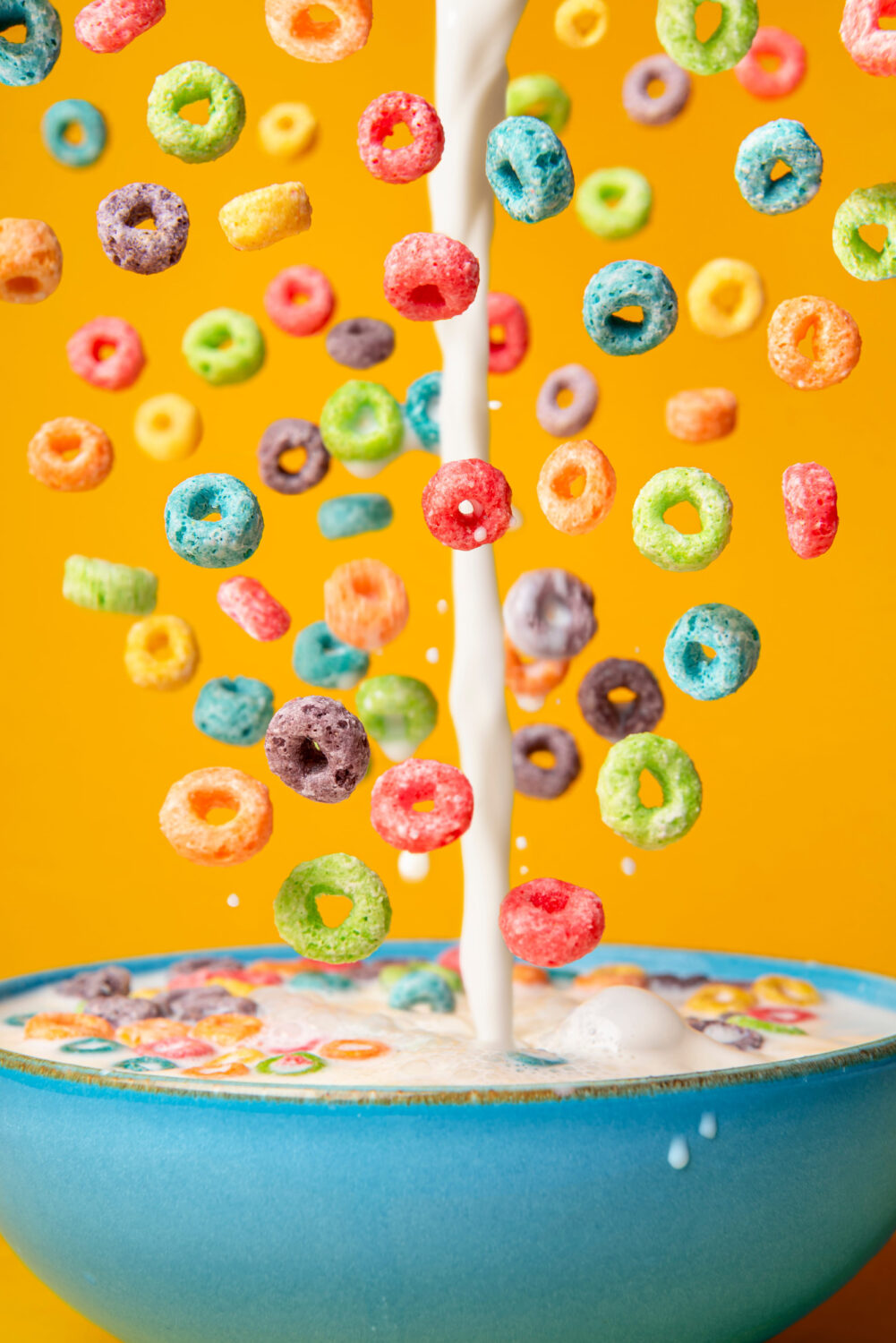
A colorful bowl of cereal might bring back childhood memories, but some varieties contain more added sugar than you might expect.
Many cereals marketed as convenient breakfast options rely heavily on sweeteners and refined grains, leaving less room for fiber-rich ingredients.
The 2025–2030 Dietary Guidelines for Americans, released in January 2026, recommend prioritizing whole grains and significantly reducing highly processed, refined carbohydrates, including certain packaged breakfast foods.
Before tossing another box into your shopping cart, check its Nutrition Facts label. Compare added sugar and fiber content rather than relying on packaging claims.
Plain oatmeal with fresh berries or unsweetened whole-grain cereal can make a satisfying alternative without sacrificing convenience.
Processed Meats Like Bacon, Hot Dogs, and Sausage
Few things smell better than bacon sizzling on a Saturday morning. And for many Americans, hot dogs and sausages are practically synonymous with backyard cookouts.
However, eating processed meats frequently is worth reconsidering.
The American Heart Association’s 2026 dietary guidance recommends choosing healthier protein sources and emphasizing minimally processed foods. Its advice also supports limiting processed meats as part of a heart-conscious eating pattern.
Many processed meat products contain substantial amounts of sodium, and some are also high in saturated fat.
You don’t necessarily need to abandon your favorite breakfast sandwich. Try rotating in eggs, beans, fish, or less-processed poultry instead.
Sugary Sodas and Fruit Drinks
A cold soda with a burger or pizza can feel like the perfect combination. Unfortunately, those refreshing sips can add up quickly.
According to the Centers for Disease Control and Prevention (CDC), a typical 12-ounce regular soda contains around 42 grams of added sugar, equivalent to more than 10 teaspoons.
That’s a considerable amount from a single beverage, particularly if you’re drinking multiple sodas throughout the day.
The latest federal dietary guidelines recommend avoiding sugar-sweetened beverages, including sodas, sweetened fruit drinks, and energy drinks.
If plain water feels boring, try sparkling water with lemon, cucumber, or berries. Unsweetened iced tea is another easy alternative that still feels like a treat.
Packaged Cookies and Sweet Snack Cakes
There’s nothing wrong with enjoying a cookie occasionally. The trouble starts when packaged sweets become your automatic afternoon snack.
Cookies, snack cakes, and similar treats can contain substantial added sugars and refined carbohydrates. Some products also contain significant saturated fat.
The 2025–2030 federal dietary guidelines specifically identify highly processed sweets, including cookies and candy, as foods Americans should reduce.
Instead of keeping a family-sized package within easy reach, consider smaller portions or swapping some snack breaks for fruit, nuts, or plain yogurt.
And when you really want a chocolate chip cookie? Enjoy it without treating one indulgence as a dietary disaster.
Related: 5 Foods That Seem Healthy but Aren’t
Instant Noodles With Salty Seasoning Packets
Instant noodles have earned their place in American kitchens for good reason. They’re cheap, convenient, and ready in minutes.
But the seasoning packets deserve a closer look.
Depending on the brand and serving size, instant noodle products can contribute a substantial amount of sodium to a meal. Eating the entire package may also mean consuming more than one labeled serving.
The American Heart Association’s 2026 guidance emphasizes reducing sodium by choosing lower-sodium foods and preparing meals with less salt.
You don’t have to eliminate instant noodles entirely. Try using less of the seasoning packet, adding vegetables, or preparing plain noodles with homemade broth and seasonings.
It’s a small change that can make a familiar budget meal more balanced.
Potato Chips and Other Salty Packaged Snacks
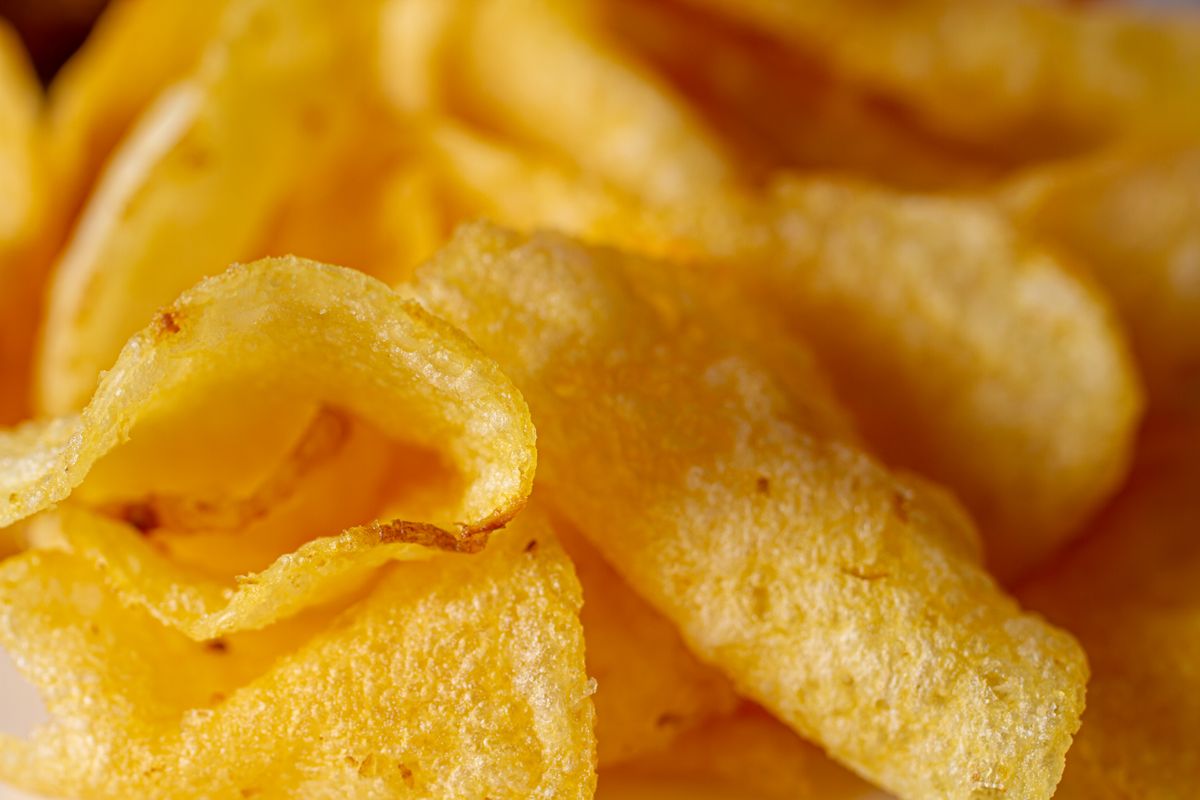
A handful of potato chips during movie night can quickly turn into half the bag. Sound familiar?
Chips and similar packaged snacks are easy to overeat because they’re convenient, flavorful, and often sold in large portions.
Depending on the product, they may also contain considerable sodium and saturated fat.
Federal dietary guidelines identify salty, highly processed snacks as foods to limit, encouraging Americans to choose more nutrient-dense alternatives.
If you’re craving something crunchy, try unsalted nuts, sliced vegetables with hummus, or air-popped popcorn seasoned with herbs.
You can still enjoy chips occasionally. Just consider serving a portion in a bowl rather than eating directly from the bag.
White Bread and Other Refined-Grain Products
White bread is practically an American institution. It’s inexpensive, versatile, and works for everything from grilled cheese to peanut butter sandwiches.
Still, relying on refined grains for most of your daily carbohydrates means missing opportunities to eat more fiber-rich whole grains.
The current Dietary Guidelines for Americans recommend prioritizing whole grains and reducing highly processed refined carbohydrates, including white bread and certain packaged crackers.
That doesn’t mean every slice of white bread is harmful.
A practical approach is replacing some refined-grain staples with 100% whole-wheat bread, oatmeal, brown rice, or whole-grain pasta.
Check ingredient lists carefully, since bread labeled “multigrain” isn’t necessarily made primarily from whole grains.
Related: 15 Healthy Habits That Can Help You Achieve a Flat Stomach
Frozen Dinners Loaded With Sodium
After a long workday, heating a frozen dinner can feel like a lifesaver. There’s no chopping, cooking, or mountain of dishes afterward.
The downside is that some frozen meals contain high amounts of sodium, while others provide relatively few vegetables or whole grains.
However, not all frozen meals are created equal.
The American Heart Association recommends comparing Nutrition Facts labels and choosing products with less sodium, added sugar, and saturated fat.
Look for meals that include vegetables, a satisfying protein source, and whole grains when possible.
You can also keep frozen vegetables, beans, and cooked grains on hand to assemble a quick dinner without relying entirely on a packaged entrée.
Small Changes Matter More Than a Perfect Diet
You don’t need to empty your pantry or give up your favorite comfort foods overnight.
The American Heart Association’s updated 2026 guidance emphasizes that overall eating patterns matter more than focusing on individual foods. Regularly choosing vegetables, fruits, whole grains, and nutritious protein sources can make a meaningful difference over time.
Start with one or two changes that fit your routine and grocery budget. Replacing daily soda, choosing lower-sodium meals, or switching to whole-grain bread can be manageable first steps.
After all, eating well isn’t about never enjoying your favorite foods. It’s about making everyday choices that work better for you.