7 Foods You Can Freeze That Most People Don’t Think to Freeze
You buy a carton of milk for one recipe, use half a block of cheese, or bring home fresh herbs only to realize you won’t finish them anytime soon. Before those extra ingredients go unused, your freezer might offer a simple solution.
Freezing isn’t just for meat, vegetables, and leftovers. Several everyday foods can be stored for later, provided you prepare them correctly. Keep your freezer at 0°F or below, and remember that recommended storage times refer to quality, not automatic safety expiration dates.
According to the USDA’s freezing and food safety guidance, food kept continuously frozen at that temperature can remain safe indefinitely, although quality may decline. Freezing won’t make spoiled or improperly handled food safe.
Raw Eggs
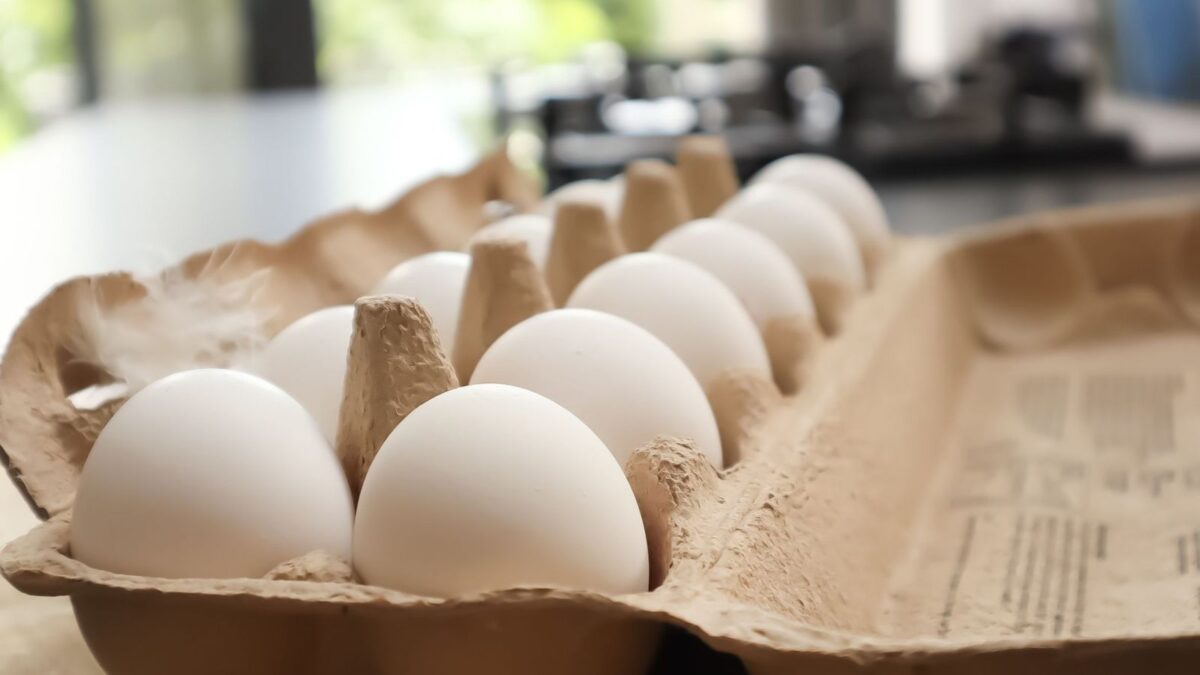
Found yourself with more eggs than you’ll use? You can freeze raw eggs, but there’s one important rule: remove them from their shells first.
Crack the eggs into a bowl and gently beat the yolks and whites together until blended. For improved texture, North Dakota State University Extension recommends adding either one tablespoon of sugar or half a teaspoon of salt per cup of whole eggs, depending on their intended use.
Pour the mixture into sealed freezer containers, leaving half an inch of space, or freeze measured portions in ice trays before transferring them to freezer containers.
Label any additions and freeze for up to 12 months for best quality. Thaw in the refrigerator and use in thoroughly cooked dishes, such as casseroles, scrambled eggs, or baked goods. Some graininess may remain.
Milk
A nearly full carton of milk doesn’t have to become a race against the calendar. Pasteurized milk, including low-fat and nonfat varieties, can be frozen while it’s still fresh and properly refrigerated.
Pour it into smaller, airtight, freezer-safe containers, leaving approximately one inch of space at the top. Milk expands as it freezes, so a completely full container isn’t suitable.
After thawing in the refrigerator, you may notice some separation or a slightly grainy consistency. Stirring or shaking can help redistribute the liquid, but it might not fully restore the original texture.
That’s why previously frozen milk is particularly useful for cooking and baking. The University of Nebraska–Lincoln Extension recommends using frozen milk within one month for the best quality.
Hard or Semi-Hard Cheese
That extra cheddar sitting in your refrigerator could be saved for another meal. Hard and semi-hard cheeses, including cheddar and Swiss, can be frozen, although their texture may change noticeably.
For blocks of cheese, divide them into pieces weighing no more than half a pound. Wrap each portion tightly in plastic wrap, then place it inside a freezer bag.
Shredded cheese can also be frozen in its original package, according to Nebraska Extension. Once thawed, cheese may become drier, crumbly, or somewhat mealy. Instead of expecting perfect sandwich slices, save it for cooked recipes where texture matters less.
Thaw in the refrigerator. Shredded cheese may need 24 to 48 hours for moisture to redistribute. For best quality, use frozen hard cheese within four to six months.
Related: 20 Essential Items To Store in the Refrigerator at All Times
Butter
Butter is another refrigerator staple worth considering for freezer storage, especially when you have more than you need for upcoming recipes. Regular butter made from pasteurized cream can be frozen in individual sticks or complete packages.
Keep the original wrapper, then add moisture- and vapor-resistant wrapping before placing the butter in an airtight container. This extra protection helps prevent it from absorbing freezer odors.
There’s also a difference between salted and unsalted butter. According to Mississippi State University Extension, unsalted butter maintains its best freezer quality for up to five months, while salted butter can last up to nine months.
Unsalted butter tends to lose flavor sooner. Thaw frozen butter in the refrigerator before using it for everyday cooking or baking. These recommendations don’t extend to whipped butter, which may separate.
Fresh Herbs
Fresh herbs can be frustrating when a recipe calls for only a small amount and leaves you with most of the bunch.
Fortunately, you can freeze herb leaves and sprigs for future cooked dishes. Start by washing the herbs, draining them, and gently patting them dry with paper towels. Wrap small portions in freezer wrap, place them inside a freezer bag, seal tightly, and freeze.
Don’t expect them to come out looking like freshly picked herbs. Their leaves become limp after thawing, which makes them less suitable for decorative garnishes.
Instead, chop and add them to cooked dishes where their softened texture won’t be an issue. The National Center for Home Food Preservation provides this straightforward method without requiring herbs to be frozen in oil-filled ice trays.
Avocado Purée
Avocados can be tricky to freeze, but there’s a useful way to save ripe ones for later. The secret is to freeze them as a purée rather than whole fruit or slices.
Choose ripe avocados that yield slightly when gently pressed. Peel them, remove the pits, and purée the flesh until smooth. The National Center for Home Food Preservation recommends adding one tablespoon of lemon juice for every two avocados to help maintain quality.
Transfer the mixture into a freezer-suitable container, leave some room at the top, and seal. Frozen avocado purée can be saved for spreads, sandwiches, or guacamole-style preparations.
Just don’t expect it to replace firm, freshly sliced avocado. The freezing recommendation is specifically for purée.
Related: Grilled Shrimp Avocado Salad: A Burst of Zesty Freshness
Nuts
Nuts are easy to overlook when you’re deciding what deserves freezer space. If you’ve purchased more shelled nuts than you expect to use soon, freezing offers another storage option.
For nuts shelled at home, North Dakota State University Extension recommends keeping the kernels as intact as possible. Spread them in a thin layer and allow them to dry for 24 hours before packing them into airtight freezer bags.
This preparation step applies to nuts shelled at home, not automatically to commercially packaged, ready-to-eat varieties. According to the same extension guidance, nuts can be frozen for up to six months for best quality.
Salted or seasoned nuts have a shorter recommended period of approximately three months. Keep extra nuts in the freezer for future recipes rather than leaving an unused supply sitting around.
The next time you have extra eggs, milk, cheese, butter, herbs, avocado, or nuts, consider whether freezing makes sense before they go unused.
Use suitable packaging, label each container with its contents and freezing date, and remember that texture may change. A little preparation can make leftover ingredients useful for another meal.