These Chocolate-Kissed Florentines Look Straight From a Bakery, and They Start in a Saucepan
Florentines make an entrance without a mountain of frosting. Thin, golden, and studded with nuts, these cookies get their finishing flourish from chocolate rather than elaborate decoration. Some versions are crisp enough to resemble edible lace; others offer a chewier bite with candied peel and dried fruit. Either way, the browned edges, nuts, and chocolate give a homemade cookie plate a decidedly dressed-up look.
The pleasant surprise is that you can start the mixture in a saucepan, not a stand mixer. Mary Berry’s recipe melts butter, sugar and golden syrup before adding flour, chopped nuts and fruit. Small spoonfuls are spread during baking, then receive a coating of dark chocolate underneath. The polished result comes from a handful of deliberate steps rather than complicated shaping, making Florentines an appealing project when ordinary drop cookies feel a little too ordinary.
One catch: delicate-looking cookies reward careful handling. “Careful weighing of the ingredients is the key to success,” Berry writes in the introduction to her recipe from Baking Bible. Space on the tray, attention to browning, and time to cool all matter. This is manageable baking, but not a project to rush between distractions. Give the cookies room and patience, and their elegant finish will follow.
Part Cookie, Part Candy and Not Just One Recipe
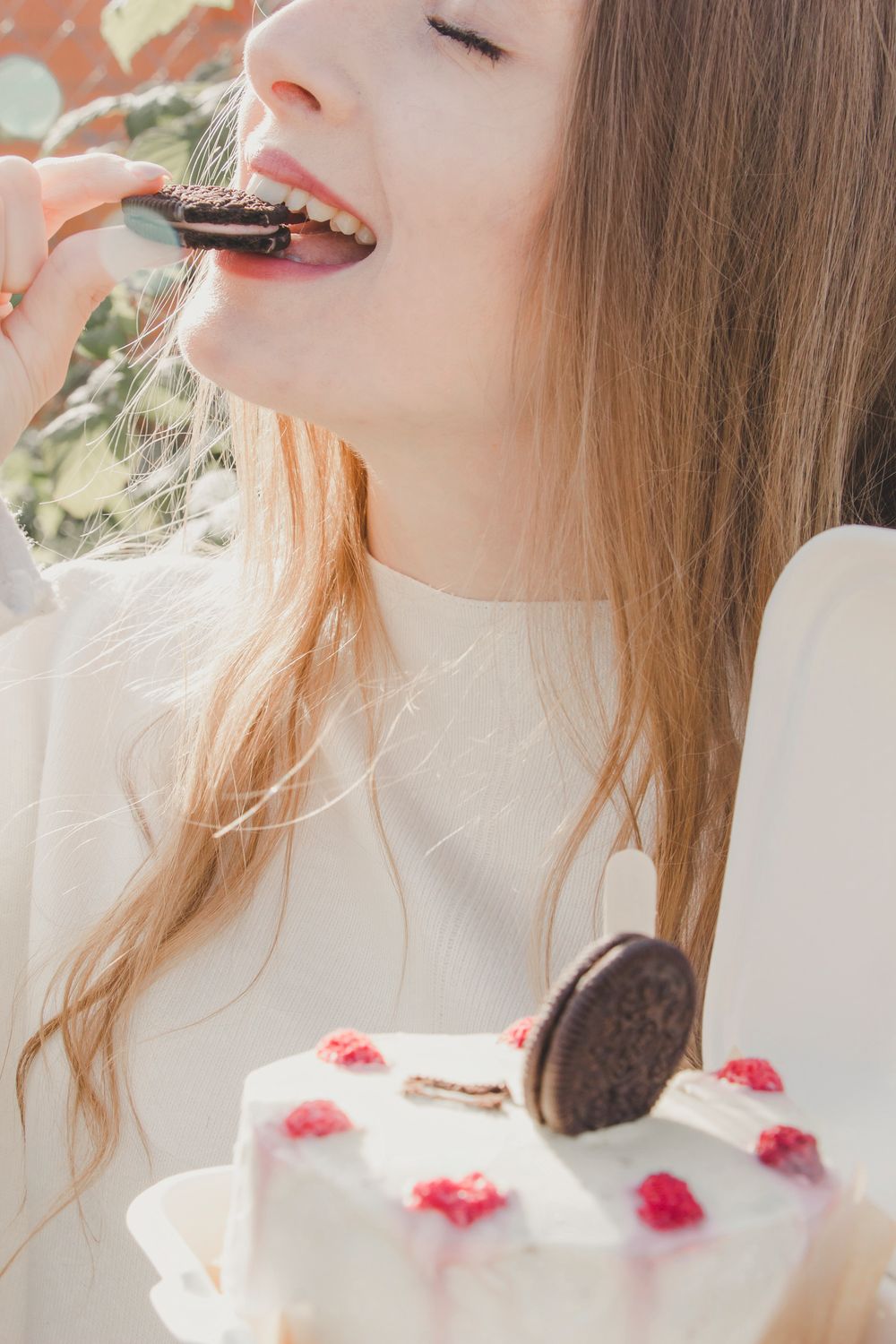
Florentines occupy an appealing space between a cookie and a confection. Chef John Mitzewich, known as Chef John, captures that character in his Allrecipes introduction: “Maybe it’s the fact that these are closer to a candy than a cookie.” His version combines finely chopped almonds with brown sugar, butter and honey, using only three tablespoons of flour. The baked rounds are thin and crisp, then sandwiched with semisweet chocolate.
Berry’s version takes a different route, combining almonds and walnuts with candied peel and either dried cranberries or glacé cherries. She describes her biscuits as chewy and finishes their flat bases with 70% dark chocolate. Those distinctions are worth noticing before choosing a recipe. A fruit-filled Florentine and an almond lace cookie can share a name without producing exactly the same texture, thickness or eating experience.
Recipe developer Lisa Lotts offers another variation at Garlic & Zest, adapting a recipe she credits to Giada De Laurentiis. Hers pairs chopped sliced almonds with orange zest, cream, honey and bittersweet chocolate. The citrus adds another layer of flavor alongside the nuts and caramel-like sweetness. Together, these published versions show why it is more useful to choose the Florentine you want than to assume every recipe is an interchangeable path to one identical cookie.
The chocolate presentation varies, too. Berry spreads chocolate across the underside; Mitzewich joins two rounds around a chocolate filling and also suggests a drizzle. So while “chocolate-dipped” captures the general appeal, these recipes don’t require dipping. A coated base creates contrast between chocolate and golden biscuit while leaving the fruit-and-nut face visible, and it avoids asking a delicate cookie to survive a full plunge into melted chocolate.
Small Spoonfuls Need More Space Than You Think
For a fruit-and-nut batch, Berry’s formula makes 18 biscuits. It calls for 50 grams each of butter, demerara sugar, golden syrup and plain flour, plus 25 grams of chopped cranberries or glacé cherries. Add 50 grams of chopped candied peel and 25 grams each of finely chopped almonds and walnuts. The separate finishing ingredient is 200 grams of 70% dark chocolate. Weighing everything first keeps the saucepan stage straightforward.
Gently heat the butter, sugar, and syrup until the butter melts, then remove the pan from the heat and stir in the flour, fruit, and nuts. Berry divides the mixture into 18 teaspoonfuls across three lined baking trays, placing just six on each. That sparse arrangement is intentional: the cookies spread. Her recipe bakes at 180°C, approximately 350°F, or 160°C in a fan oven, for eight to 10 minutes, until golden brown.
Crowding is one shortcut that can undo the individual-cookie effect. Lotts, whose formulation makes particularly thin rounds, warns, “If you put too many on one sheet pan, they’ll spread right into each other, yielding a large, sweet blob.” She explains that the time commitment comes partlyfrom baking several small batches. A mixture that takes minutes to prepare can still require a leisurely baking session, especially when each tray holds only a few cookies.
Browning cues deserve as much attention as the clock. Mitzewich notes that his baking time varies with the pan, oven and portion size, advising bakers to “go by appearance instead.” His target is golden brown with a slightly darker ring around the edge. Follow the visual cues for your chosen recipe, then allow the cookies to firm before moving them. Berry specifically instructs bakers to cool hers before lifting them onto a rack with a palette knife.
The Chocolate Finish Is Where Patience Pays Off
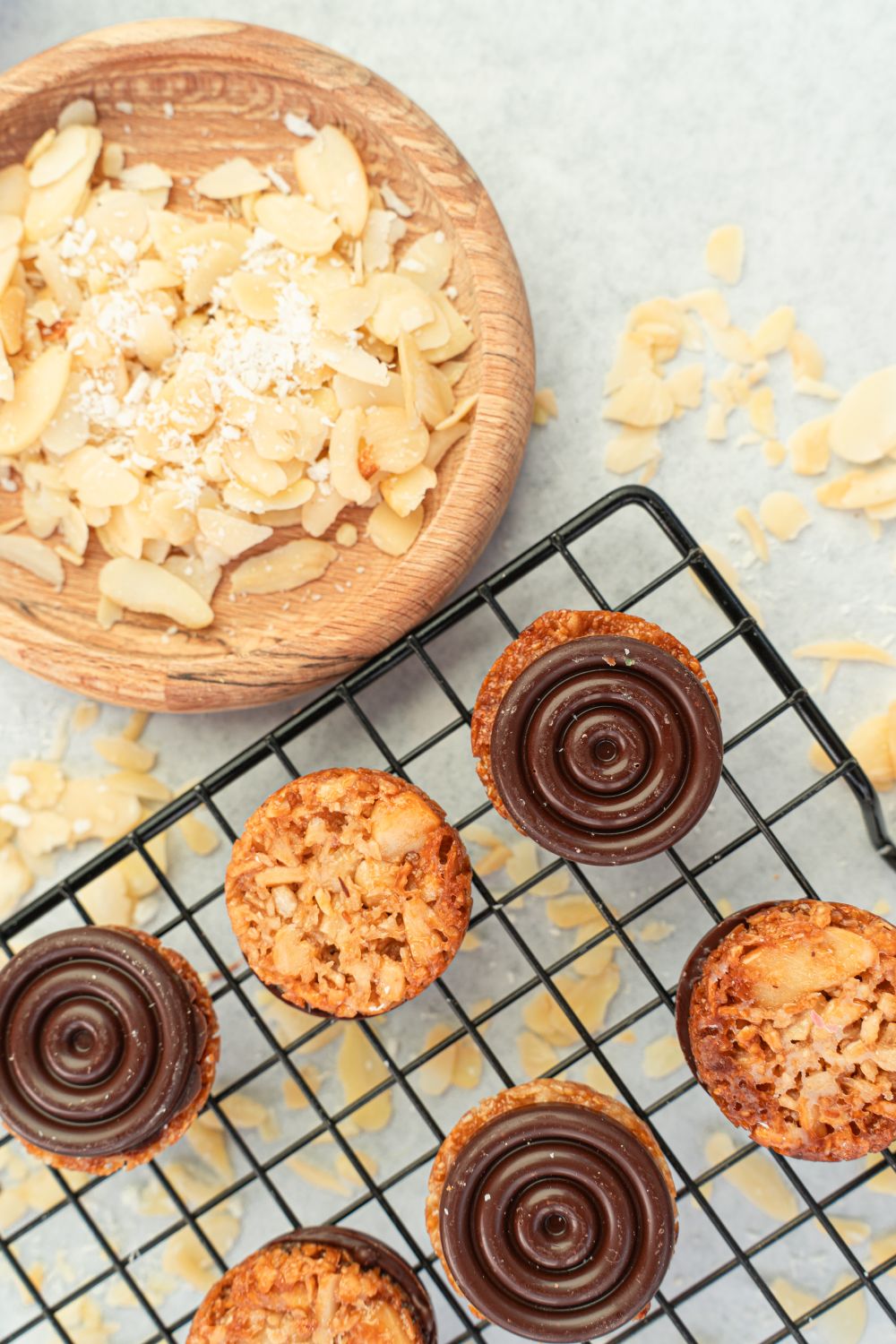
Berry’s finishing method uses a sugar thermometer and a bowl suspended over simmering water without touching it. She melts half the chocolate to 53°C/127°F, removes the bowl from the heat, then stirs in the finely chopped remaining chocolate until the mixture cools to 26°C/79°F. These temperatures are specified for her recipe and chocolate choice. Read through the sequence before starting; the coating deserves the same attention as the cookies.
Once ready, spread a little chocolate over each flat base. Berry then lets it cool slightly, then draws a zigzag through it with a fork, leaving the biscuits chocolate-side up on a rack to set. That simple pattern supplies the bakery-style detail without piping bags or elaborate embellishment. For Mitzewich’s sandwich version, he recommends letting melted chocolate thicken slightly before spreading so it does not squeeze through the lace-like holes.
Store according to the cookies’ actual texture, not their impressive appearance. Berry recommends an airtight container; Lotts separates stacked layers with parchment and cautions that her brittle version is poorly suited to shipping. For a dessert plate at home, however, that delicacy is part of the attraction. The final flourish is restraint: golden nuts, a little chocolate and enough space to notice both. No frosting mountain necessary.