Making Fried Rice on a Blackstone? These 7 Tips Help Prevent Sogginess
Fried rice should arrive on the plate as separate, flavorful grains, not a soft mound that sticks to the spatula. A Blackstone gives you room to work, but even a broad griddle needs a little planning to produce the texture you want.
The trouble usually comes from moisture, a crowded cooking space, or ingredients added before they are ready. Fortunately, improving your next batch does not require an overnight wait, maximum heat on every burner, or another generous pour of oil. For your next meal, these seven adjustments help you manage the process from the rice pot to the final toss.
Dry the Cooked Rice Before Frying
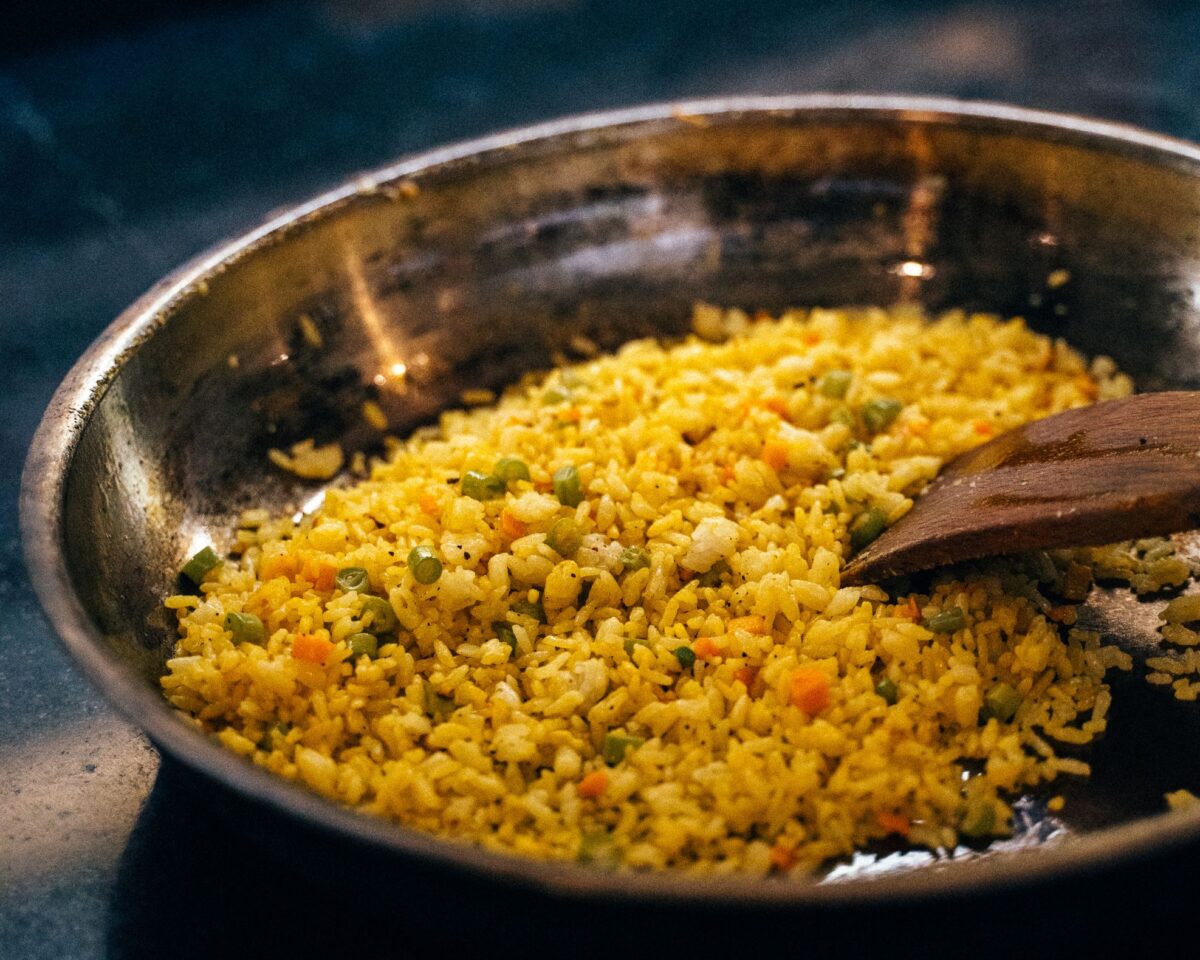
Day-old rice is convenient, but the calendar is not what makes it useful. Surface moisture matters. In his fried-rice testing for Serious Eats, J. Kenji López-Alt found that freshly cooked rice can work if you spread it out so the surface can dry.
Transfer cooked rice to a tray rather than leaving it in a dense, steaming mound. If preparing ahead, refrigerate it spread out instead of leaving it on the counter for hours.
Break chilled clumps apart before cooking so you can distribute the grains without crushing them against the steel. Bring separated rice to the griddle, and you have already made the frying stage easier.
Related: Mastering 10 Essential Cooking Techniques for Restaurant-Quality Results
Start With Rice That Holds Its Shape
Drying the outside cannot undo a batch cooked until mushy. Before worrying about the griddle, check whether the grains can survive being turned and tossed.
Rinse uncooked rice to remove excess surface starch, as both Serious Eats and Blackstone recommend. Then follow cooking directions suited to your rice variety and appliance. The goal is cooked rice with distinct grains, rather than an overly soft batch that breaks apart immediately.
Avoid automatically cutting a fixed amount of water from every recipe. A method developed for one rice variety won’t work for all others. Start with properly cooked rice, then address surface moisture separately. Those are two different jobs.
Preheat and Create a Holding Area
Heat the cooking surface before adding rice. Blackstone recipes use different burner settings, including medium and medium-high, so there is no universal instruction to turn every burner to max.
Its tofu fried rice recipe starts on a preheated, medium-high griddle and spreads the rice over a lightly oiled surface. That is a useful model: prepare the cooking area first, then give the grains room to fry.
If your griddle has independently controlled burners, reserve a cooler area for finished components. On a compact model, use a bowl instead. Add a thin coating of cooking oil where needed, but don’t use extra oil to fix wet rice.
Spread It Out and Work in Batches
A mountain of rice may fit on the griddle, but it won’t fry well. Grains piled above the surface sit on other grains, while an overloaded cooking area struggles to maintain heat.
Spread the rice into a broad, shallow layer. Turn and redistribute it so different grains make contact with the steel. Blackstone’s shrimp fried rice method specifically calls for flattening the rice to encourage crispness.
If you don’t have enough usable hot space, cook part of the rice first and temporarily transfer it to a bowl. Remember, eggs, vegetables, and protein need room to work, too. Your practical capacity depends on the available space, not how much food the griddle can physically hold.
Give Vegetables their Own Cooking Time
Vegetables can bring moisture into a batch that started with well-prepared rice. Cooking them separately lets them soften before they join the grains.
Blackstone’s tofu fried rice recipe cooks peppers and onions first, sets them aside, then fries the rice before combining everything. Follow that general sequence when using moisture-rich additions. Avoid folding rice into visible vegetable liquid.
Frozen vegetables are not automatically disqualified. Blackstone uses frozen peas and carrots, while Serious Eats adds frozen peas directly. The useful distinction is quantity and moisture: a manageable addition behaves differently from a large, wet pile. Keep the vegetable portion suited to your cooking space and give it the attention it needs.
Cook Eggs and Protein Separately
Don’t let rice sit around waiting for everything else to finish. Cooking protein and eggs separately, or in separate stages, gives you more control over the final mix.
Blackstone’s chicken fried rice method fries the rice separately, then adds chicken and vegetables, then folds in cooked eggs. Its tofu recipe also removes cooked tofu while the remaining components are prepared.
Scramble eggs on an open, lightly oiled section and combine them with the rice once set. Move finished protein aside while you work. On smaller griddles, bowls make this sequence possible without squeezing every component onto the surface at once.
Related: How To Avoid Food Poisoning From Rice
Measure Sauce before the Final Toss
Sauce adds moisture, so pour thoughtfully after the rice has started frying. Blackstone’s bacon fried rice recipe adds half its soy-sauce mixture first, then more to taste.
Measure your mixture before cooking, add part, and toss thoroughly before deciding whether more is needed. Aim for coated grains rather than liquid pooling underneath. Blackstone also cautions that sugary sauces can burn if cooked too long.
Prepare the rice carefully, protect its cooking space, and let the final sauce finish the dish instead of flooding it.