Detroit’s Eastern Market Has Kept People Coming Back Since 1891, and It’s Not Just the Produce
A grocery run usually doesn’t include historic market sheds, neighborhood murals, or the chance to leave with flowers alongside your vegetables. At Detroit’s Eastern Market, those things are part of the same outing. Farmers, food sellers, specialty shops, and shoppers have made the district a place where buying dinner overlaps with spending time in the city. The food is the foundation, but the gathering place built around it helps explain why the market has remained relevant for generations.
Officially designated in 1891, Eastern Market grew from an informal trading area into a district serving household shoppers, restaurants, wholesalers, and food businesses. Its history includes horse-drawn farm wagons, expanding market sheds, the threat of closure, and a shift to nonprofit management. Today, the organization estimates that a regular summer Saturday attracts 30,000 to 40,000 visitors. That crowd isn’t simply drawn to old buildings; it shows a working market that has repeatedly adapted to how Detroit buys, sells, and shares food.
Before the Crowds, Detroit Needed More Room to Shop
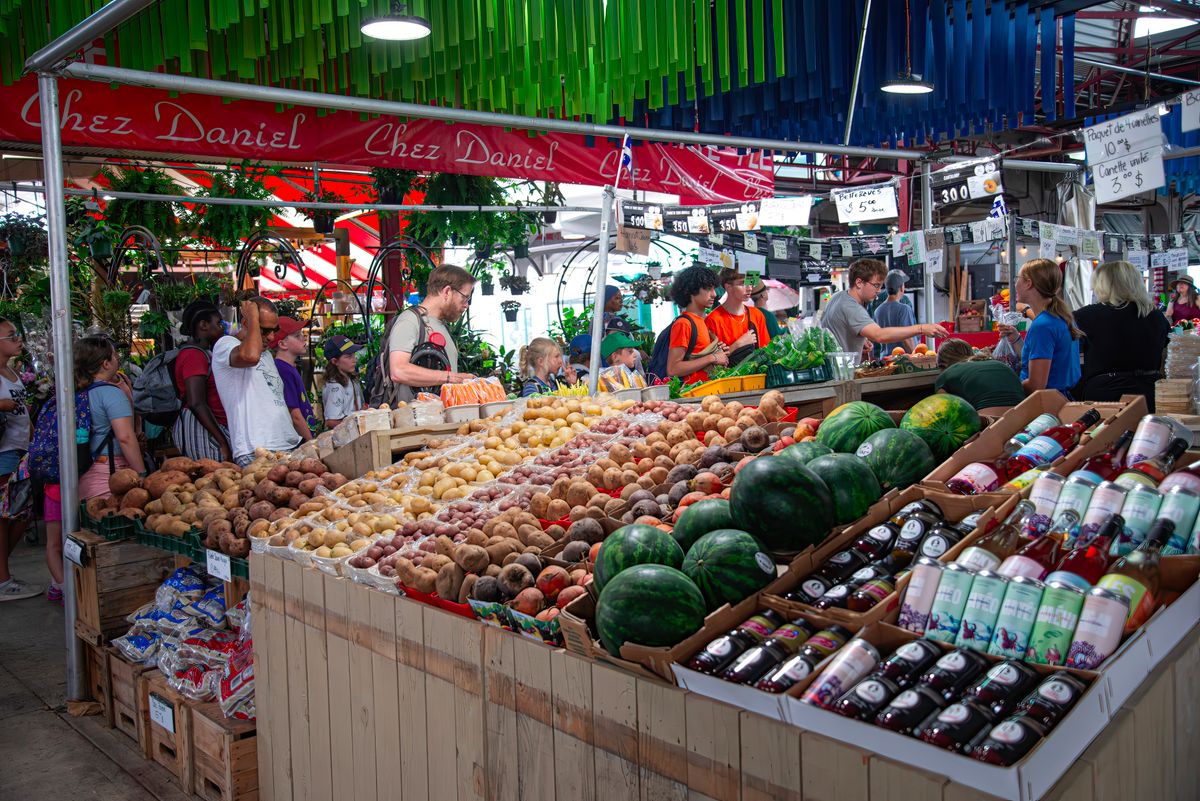
Eastern Market began out of practicality rather than picturesque charm. Detroit’s downtown Central Market could no longer comfortably accommodate a growing population, while an informal market had developed along Russell Street at High Street, near today’s Fisher Freeway service drive. Recognizing that activity,the city formally designated Eastern Market in 1891. Its name reflected its position east of downtown, not a particular food specialty. The market followed an existing pattern of trade and gave it a more permanent home.
Permanent structures helped that home take shape. According to Eastern Market’s historical timeline, Shed 1 was built in 1892 with more than 150 covered stalls, followed by Shed 2 in 1898 as demand for space grew. Food-related businesses clustered nearby, and meatpacking expanded along Orleans Street, helped by access to railroad tracks. This was more than a collection of farm stands: the surrounding infrastructure connected growers, sellers, transport, and customers in one increasingly useful neighborhood.
The Saturday habit established itself early. Farmers initially arrived by horse and wagon, many traveling from rural communities within roughly 15 to 20 miles east of Gratiot Avenue. By 1899, Saturdays were drawing approximately 13,000 to 15,000 visitors, according to the market’s history. Wholesale trading began at 6 a.m., with retail activity starting at 9 a.m. Those separate schedules reveal the market’s dual purpose from an early stage: supplying businesses while giving individual shoppers a direct place to buy food.
The Market Survived Because It Kept Changing
Eastern Market’s story was not one uninterrupted stretch of success. During the Great Depression, Detroit’s public markets offered dependable selling opportunities as some unemployed laborers turned to farming. Wartime shortages later reinforced their importance. But suburbanization, the growth of grocery stores, and arrangements allowing retailers and wholesalers to buy directly from farmers weakened the public-market model after World War II. Eastern Market began operating at a deficit, and the city considered closing it altogether.
The physical district changed, too. Shed 1 was demolished in 1967 for the Fisher Freeway connector, with the remaining portion of its footprint eventually becoming a parking lot. Yet the market recovered during the 1970s, aided by infrastructure investment, murals, and renewed interest in fruits and vegetables. The district entered the National Register of Historic Places in 1978. Preservation mattered, but survival also depended on customers continuing to find something useful inside that historic setting.
A major management change followed in 2006, when two local organizations merged to form Eastern Market Corporation, which managed and promoted the market through an agreement with Detroit. Public and private fundraising supported improvements to the sheds and expanded programs. Renovations eventually brought a community kitchen to Shed 5, which reopened in 2015. The organization now operating as Eastern Market Partnership describes its purpose as enriching Detroit “nutritionally, culturally and economically,” a mission broader than maintaining attractive buildings or filling Saturday stalls.
Rwlated; New Grocery Store in Pearland? La Michoacana Meat Market Project Moves Forward
More Than a Place to Fill a Shopping Bag
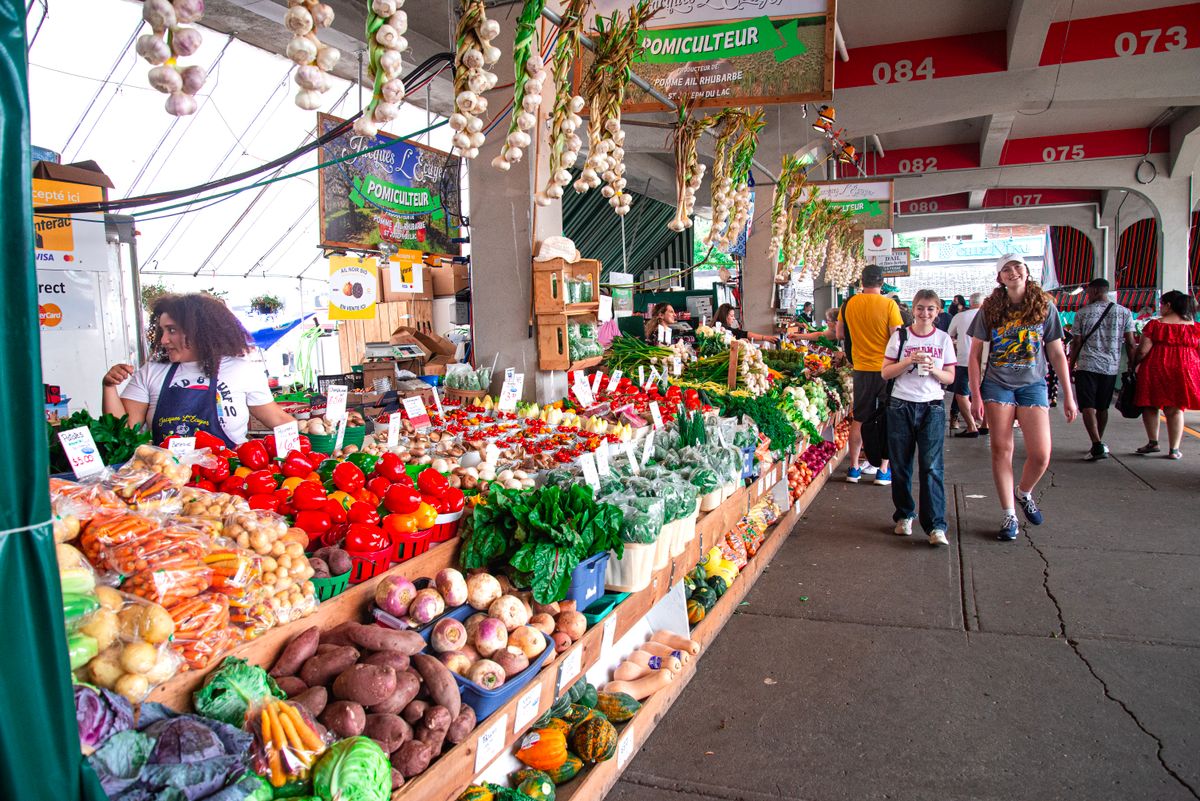
The distinction between the public market and the surrounding district helps explain the full experience. The Detroit Historical Society describes a six-block public market at the center of the 43-acre historic district, with more than 150 food and specialty businesses in the area. Meanwhile, Eastern Market’s 2026 district guide says the year-round Saturday market hosts as many as 225 vendors. Those figures measure different things: established district businesses aren’t the same category as vendors participating on a market day.
Supporting sellers also means helping new food businesses get started. Through Detroit Kitchen Connect, Eastern Market provides access to lower-cost licensed kitchen space, giving entrepreneurs somewhere to develop products without immediately building a kitchen of their own. Its GROW Eastern Market program connects Michigan growers with institutional buyers, including restaurants, schools, and grocery stores. These less-visible activities extend the market’s original role: connecting food producers with buyers and distributors.
Access for shoppers is equally important. Eastern Market supports neighborhood markets and operates seasonal mobile markets that accept payment methodsincluding EBT and food-assistance benefits. Its Well Wayne Fresh Trucks partnership serves Wayne County communities, particularly places with limited grocery options. As the organization states, “Increasing access to nourishing food is at the core of our mission.” The point is not to require everyone to reach the historic sheds; some programs take the market’s resources closer to where people live.
That combination of daily usefulness and shared space explains Eastern Market’s longevity better than nostalgia alone. Its official description calls it “a meeting place of farmers and families, neighbors and newcomers, culture and commerce.” The history supports that idea: growers needed buyers, shoppers needed food, and businesses needed a place to trade. Eastern Market became a gathering place by meeting those needs together, then changing enough to keep doing so long after the horse-drawn wagons disappeared.