8 Foods That Turn Mushy or Grainy in the Freezer
Freezing food is one of the easiest ways to reduce waste and make groceries last longer. But there is one catch: Food that goes into the freezer looking fresh and firm might come out looking completely different.
When water inside food freezes, it expands and can damage the delicate structures that help food hold its shape. That is why a frozen tomato might be perfectly useful for making sauce but disappointing on a sandwich.
Some foods lose their crunch, while others turn watery, grainy, or crumbly. Knowing what to expect can save you from an unpleasant surprise. Here are eight foods whose textures can change noticeably after freezing.
Lettuce
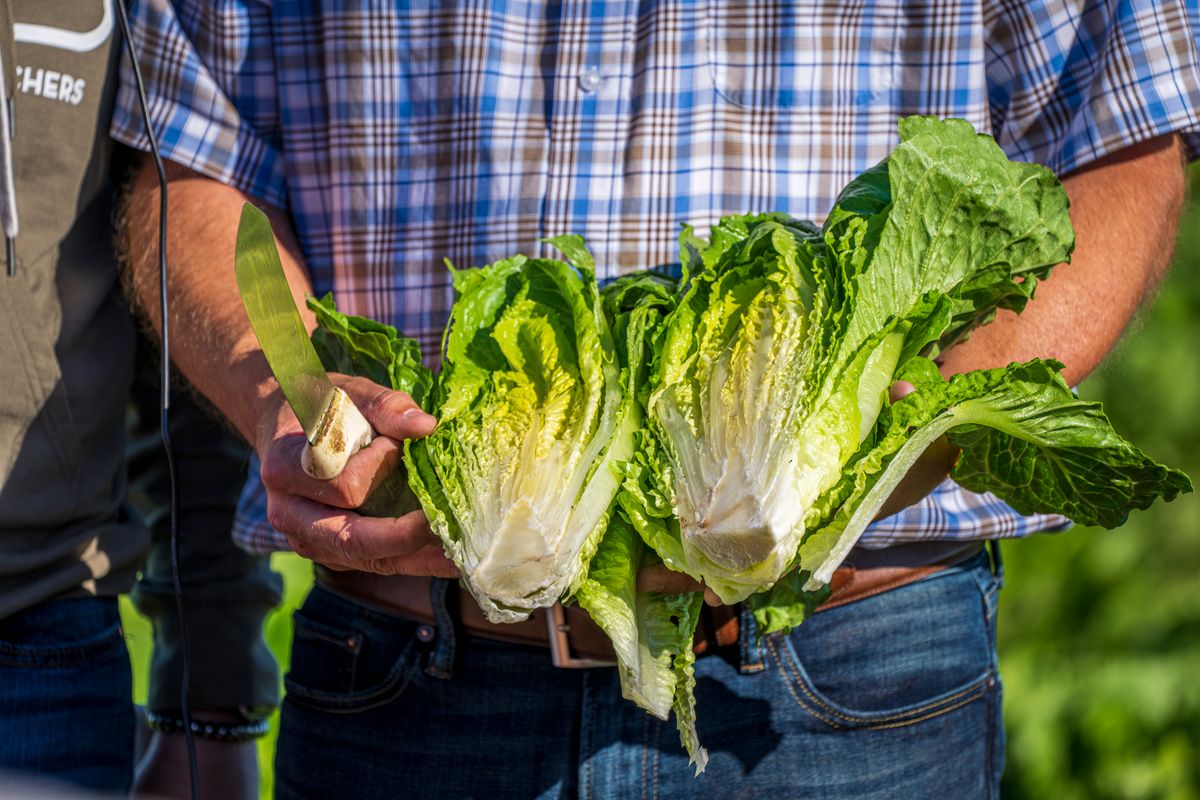
That crisp lettuce you bought for salads can become a soggy disappointment after a trip through the freezer. Lettuce contains plenty of water, and its delicate leaves are particularly vulnerable to freezing. As water inside the leaves turns into ice, it can damage the structures that keep lettuce firm and crunchy.
Once thawed, the leaves may become limp, wet, and unable to hold their original shape. That makes frozen lettuce a poor choice for fresh salads or sandwiches where crunch is part of the appeal.
The problem isn’t simply excess moisture that can be shaken off. The original crisp structure has already changed, and thawing won’t bring it back.
Cucumbers
Few things make a salad more refreshing than the clean crunch of a freshly sliced cucumber. Unfortunately, that satisfying snap doesn’t usually survive freezing.
Like lettuce, cucumbers contain a lot of water. When frozen, the water inside their cells expands, damaging the structures that give fresh cucumber its firmness.
After thawing, plain cucumber slices can become soft, limp, and noticeably watery. That makes them disappointing in salads and other dishes where fresh cucumber texture matters.
However, cucumbers aren’t completely off-limits for freezing. The National Center for Home Food Preservation notes that certain marinated cucumber preparations can be frozen successfully.
The important distinction is between preserving a prepared cucumber product and expecting plain frozen slices to taste and feel freshly cut.
Tomatoes
Have you ever frozen a beautiful, firm tomato and expected it to look the same after thawing? The result can be quite disappointing. Tomatoes often become soft, watery, and mushy after freezing because ice formation damages their internal structure.
Once thawed, they generally won’t have the firmness needed for neat sandwich slices or fresh burger toppings. But unlike lettuce, tomatoes have a useful second life after freezing.
The National Center for Home Food Preservation recommends frozen tomatoes for cooking, where their softened texture is less of a concern.
A tomato that no longer works well in a fresh sandwich can still be useful in sauce and other cooked preparations. It’s a good example of why freezer success depends on what you plan to make.
Sour Cream
Sour cream is known for its rich, smooth texture, which makes it an easy addition to many meals. Unfortunately, freezing can change that consistency considerably.
After thawing, sour cream may develop a grainy appearance, with watery liquid separating from the thicker portion. North Dakota State University Extension explains that cultured dairy products can lose their original smoothness after freezing.
That makes thawed sour cream less appealing when you want a creamy topping that looks and feels freshly opened. However, the texture change doesn’t necessarily make it useless in the kitchen.
Thawed cultured dairy products may still work as ingredients in cooked dishes, even when they no longer have the consistency you’d want for serving directly. The key is adjusting your expectations rather than assuming the original smooth texture will return.
Yogurt
A container of yogurt might look perfectly normal before freezing, but thawing can reveal a different story. Some yogurts become grainy or release watery liquid instead of returning to their original smooth, spoonable consistency.
The change can be especially noticeable when you’re expecting the same creamy texture you enjoyed before freezing. However, not every yogurt behaves exactly alike. According to North Dakota State University Extension, flavored yogurts may hold their consistency better because of ingredients such as fruit and sugar.
That means the results can vary depending on the particular yogurt. Frozen and thawed yogurt may still be useful in cooking, where its original texture matters less. But if you’re freezing yogurt specifically to enjoy it later with the same smooth consistency, the results may disappoint.
Hard and Semihard Cheese
Freezing cheese can be convenient, especially when you’ve purchased more than you need right away.
However, don’t be surprised if your cheese behaves differently when you try to slice it after thawing. Hard and semihard cheeses may become drier and more crumbly in the freezer.
North Dakota State University Extension notes that these cheeses can retain good flavor after freezing, even though their slicing quality may decline. That distinction matters in everyday cooking.
If you want attractive, neat cheese slices, the change in texture may be frustrating. But if you’re planning to crumble the cheese or incorporate it into another dish, the difference may hardly matter.
Freezing doesn’t necessarily ruin the cheese. It simply changes how suitable it is for certain uses.
Cottage Cheese
Cottage cheese already has a naturally lumpy texture, so changes after freezing can be a little less obvious at first glance. The main issue is separation. Cream-style cottage cheese may thaw with a noticeable division between its curds and liquid, leaving the mixture less cohesive than it was originally.
Instead of the familiar creamy consistency, you may find a product that looks watery in some areas and thicker in others. However, different types of cottage cheese don’t necessarily react identically.
North Dakota State University Extension identifies both cream-style and dry cottage cheese as suitable for freezing for about a month, while specifically noting that cream-style varieties may separate. So, cottage cheese can be frozen, but that doesn’t guarantee it will return to its original consistency.
Cream or Custard Pie Fillings
A homemade cream pie can look beautiful before freezing, but its filling may tell a different story after thawing. Cream and custard fillings are especially vulnerable to unwanted texture changes.
Instead of remaining smooth and uniform, the filling may become watery, lumpy, or separated. That can make a dessert less appealing, particularly when its creamy consistency is one of the main reasons people enjoy it.
The National Center for Home Food Preservation identifies these changes as reasons ordinary cream and custard fillings don’t freeze particularly well.
This doesn’t mean every pie or frozen dessert will suffer the same fate. The concern specifically involves fillings that depend on maintaining a smooth, creamy texture after thawing.
For these desserts, freezing may preserve the filling without preserving the eating experience you expected.
The freezer is useful, but it can’t preserve every food’s original texture. Lettuce and cucumbers may lose their crunch, tomatoes often soften, cultured dairy products can become grainy or separated, and cheese may turn crumbly.
Before freezing something, think about how you plan to use it afterward. A texture change that ruins a fresh salad might barely matter in a cooked dish.