9 Thanksgiving Grocery Mistakes That Quietly Cost You More
Thanksgiving is supposed to be about family, good food, and a table full of memories—not wondering how a grocery cart filled with turkey, potatoes, and pie ingredients became so expensive. Yet some of the biggest holiday expenses aren’t caused by rising prices alone. They’re caused by small shopping habits that seem harmless until the receipt starts adding up.
According to the USDA’s October 2026 Food Price Outlook, grocery prices were 1.8% higher in September 2026 than a year earlier. Meanwhile, the American Farm Bureau Federation estimated that a traditional Thanksgiving dinner for 10 cost $55.18 in 2025, although actual bills vary considerably by location and menu. With another holiday approaching, avoiding these nine common mistakes could help families enjoy their favorite traditions without overspending.
Waiting Until Thanksgiving Week to Buy Everything
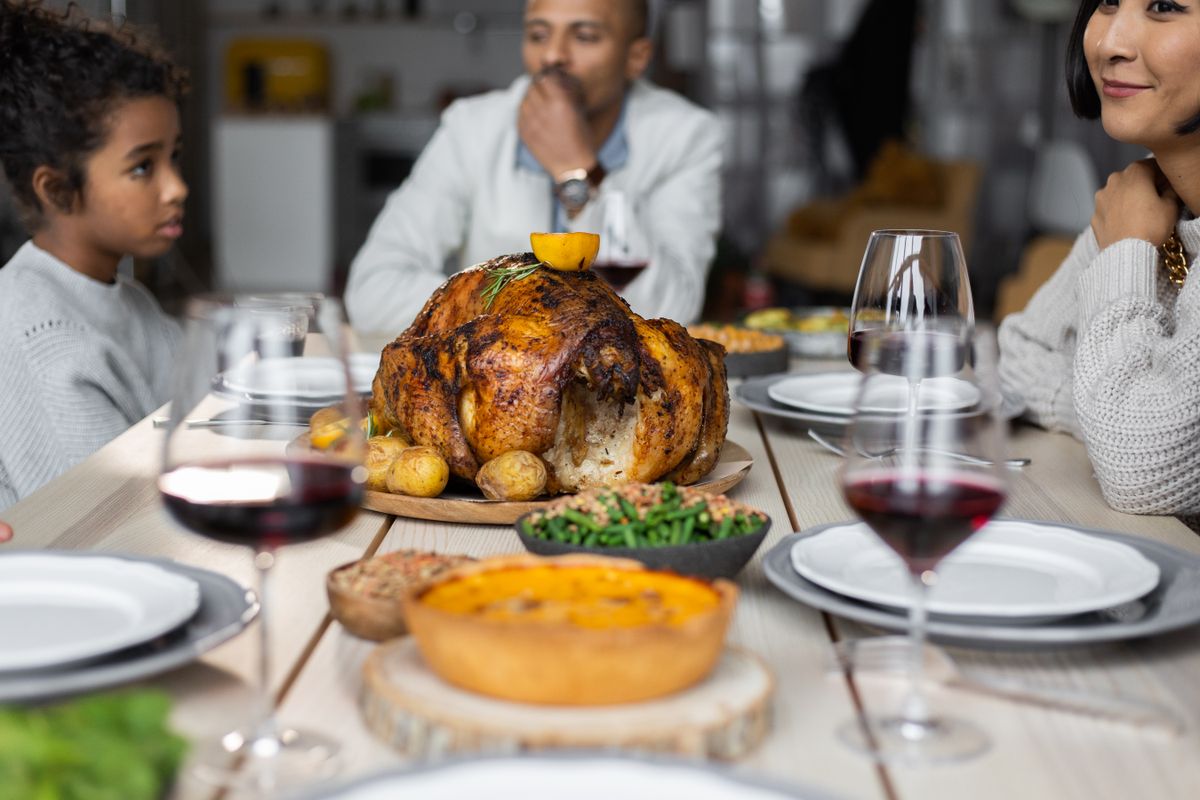
There’s something stressful about walking into a crowded grocery store two days before Thanksgiving, only to discover that the turkey you wanted is sold out and the remaining options cost more.
Last-minute shopping can leave families with fewer choices, particularly when popular sizes, brands, and promotional products disappear from shelves.
Instead of buying everything at once, start watching weekly advertisements in early November. Purchase shelf-stable ingredients when prices are favorable, and save fresh produce for closer to Thanksgiving.
Assuming the Biggest Turkey Is the Best Deal
That enormous turkey might look impressive in the shopping cart, but bigger doesn’t automatically mean better value.
The American Farm Bureau Federation reported that the average price of a 16-pound frozen turkey was $21.50 in its 2025 Thanksgiving survey, down more than 16% from the previous year.
However, buying a bird much larger than your family needs can mean paying for food nobody wants to eat after the holiday.
Choose your turkey based on the number of guests, whether you want leftovers, and the price per pound rather than its impressive size.
Ignoring Store Brands Because It’s Thanksgiving
Some shoppers wouldn’t think twice about buying store-brand flour in July, yet suddenly feel that every Thanksgiving ingredient needs a recognizable brand name.
That thinking can quietly inflate the grocery bill.
For everyday ingredients such as canned vegetables, sugar, flour, broth, and butter, comparing store brands with national brands can reveal meaningful savings.
The trick is knowing where quality matters most to your family. If Grandma’s famous stuffing absolutely requires a particular ingredient, keep it. Save money on the less noticeable extras.
Related: 14 Strange Thanksgiving Traditions That Everyone Pretends Aren’t Weird
Buying Every Ingredient Without Checking the Pantry
How many half-used bags of brown sugar, containers of cinnamon, and cans of pumpkin are already hiding in American kitchens?
Thanksgiving shopping has a way of making people forget what they own.
Buying duplicates might seem like a minor expense, but several unnecessary purchases can quickly add $10 or $20 to an already expensive trip.
Before leaving home, check the pantry, refrigerator, and freezer. Build your grocery list around what’s actually missing, not everything the recipe mentions.
Falling for Holiday Deals That Aren’t Really Deals
A bright orange sign advertising a Thanksgiving special can make almost anything look irresistible.
But promotional displays don’t always offer the lowest price.
For example, a smaller package of stuffing advertised as a bargain might cost more per ounce than a regular-sized box on another shelf.
Compare unit prices, check whether digital coupons require activation, and read purchase requirements carefully. Some turkey promotions, for instance, are available only after spending a minimum amount on other groceries.
A discount isn’t much of a bargain if you must buy things you never planned to purchase.
Paying Extra for Pre-Cut and Ready-to-Cook Ingredients
Pre-chopped onions, peeled potatoes, prepared vegetable trays, and ready-made side dishes can save time, but that convenience often comes with a higher price.
The difference can be surprisingly large.
In the Farm Bureau’s 2025 Thanksgiving survey, a one-pound vegetable tray containing carrots and celery averaged $1.36, a 61.3% increase from 2024. Sweet potatoes also jumped 37% to $4 for three pounds.
While these figures reflect changing prices rather than the exact cost of convenience, they show why comparing options matters.
Preparing vegetables yourself can help stretch the budget, especially when cooking for a large family. Still, paying a little extra for convenience may be worth it if it saves you hours in the kitchen.
Related: Fall Decor Ideas To Celebrate The Season
Forgetting About the Little Extras
Most families remember the turkey, mashed potatoes, and pumpkin pie. It’s the little things that sneak up on them.
Aluminum foil, disposable baking pans, paper towels, butter, cooking oil, ice, beverages, and extra spices can turn a carefully planned grocery budget into a surprise at checkout.
Consider this: spending just $4 each on five forgotten items adds another $20 to the bill.
A simple solution is to organize the shopping list by recipe and include cooking supplies. That way, the holiday budget reflects everything needed to prepare and serve dinner, not just the food on the table.
Buying Too Much Food Because It’s a Holiday
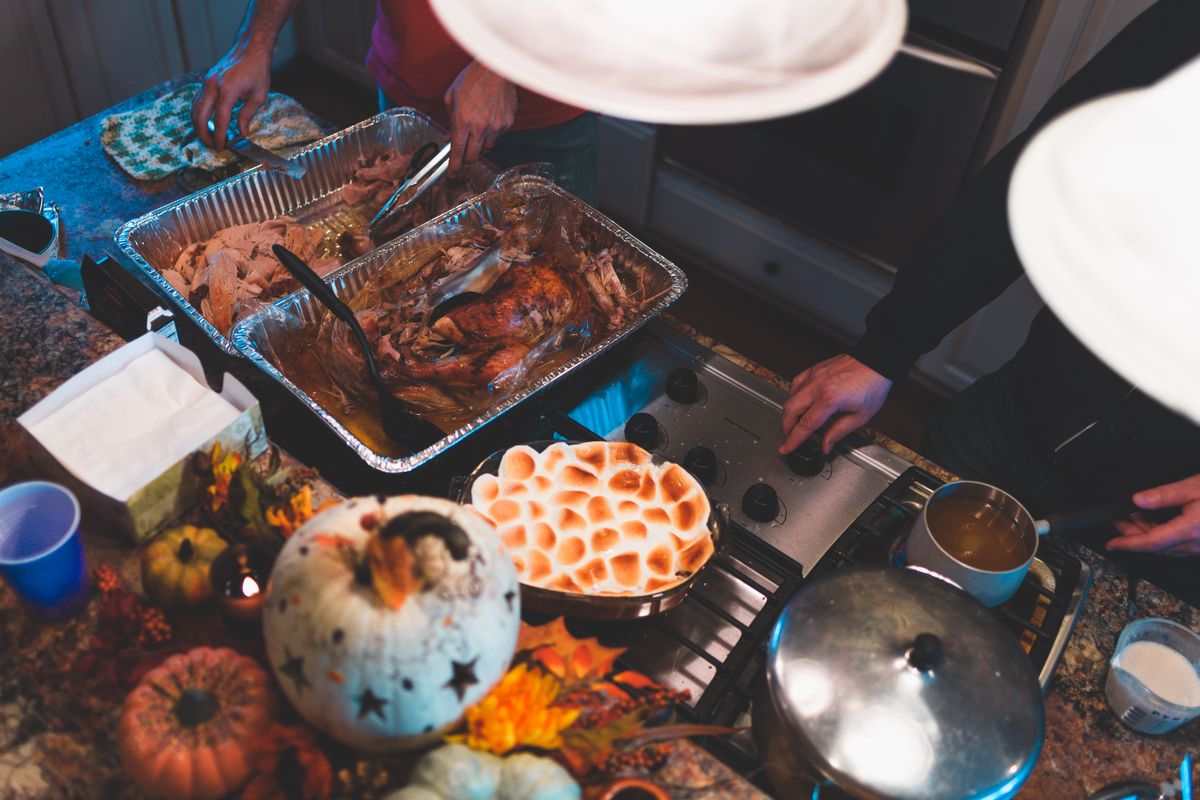
Nobody wants guests leaving Thanksgiving hungry. But there’s a difference between serving a generous meal and preparing enough food for a small neighborhood.
It’s easy to end up with three casseroles, four desserts, and mountains of mashed potatoes when only eight people are coming.
Food waste is already an enormous problem. The USDA estimates that 30% to 40% of America’s food supply goes uneaten, although that figure covers the broader food system rather than Thanksgiving specifically.
Before shopping, confirm your guest count and ask what everyone plans to bring. Make reasonable portions, and have a plan for storing or freezing leftovers.
The goal isn’t an empty table. It’s making sure the food you pay for actually gets enjoyed.
Buying a Frozen Turkey Without Planning Ahead
One of the most frustrating Thanksgiving mistakes happens before anyone starts cooking.
You buy a frozen turkey, put it in the freezer, and suddenly realize Wednesday night that it’s still rock solid.
According to the USDA’s turkey-thawing guidance, refrigerator thawing requires approximately 24 hours for every 4 to 5 pounds of turkey. A 16-pound bird generally needs about four days.
Forgetting this can lead to an expensive last-minute search for a fresh or smaller turkey, or another unplanned main dish.
Buy early enough to allow proper thawing, and make refrigerator space before the holiday rush. Never thaw a turkey on the kitchen counter.