Milwaukee’s Friday Fish Fry Has a Secret Ingredient, and It’s Not in the Batter
Milwaukee has a standing Friday dinner date, and it comes with coleslaw. Across the city and its surrounding communities, fish fries fill neighborhood taverns, restaurants, and veterans’ halls with people marking the end of the week. The fish matters, naturally. But this meal has become a local institution for reasons that go well beyond getting something golden and crispy onto a plate.
What Milwaukee keeps serving alongside the cod, perch and potato pancakes is belonging. A tradition shaped by Catholic immigrants, fishing communities, and tavern owners has become a gathering that doesn’t require a shared religion or family history. Its staying power comes from the combination of familiar food, familiar places and a reason to sit down together every Friday.
“The fish fry has remained popular in Milwaukee because it’s a simple and timeless tradition that connects people to place,” Stephanie Kegel, identified as Kegel’s Inn’s fourth-generation proprietor and chef, told the Shepherd Express in 2023. Her explanation gets to the heart of it: This is dinner, yes, but it is also a remarkably durable way of feeling connected to Milwaukee.
A Meatless Friday Became a Milwaukee Institution
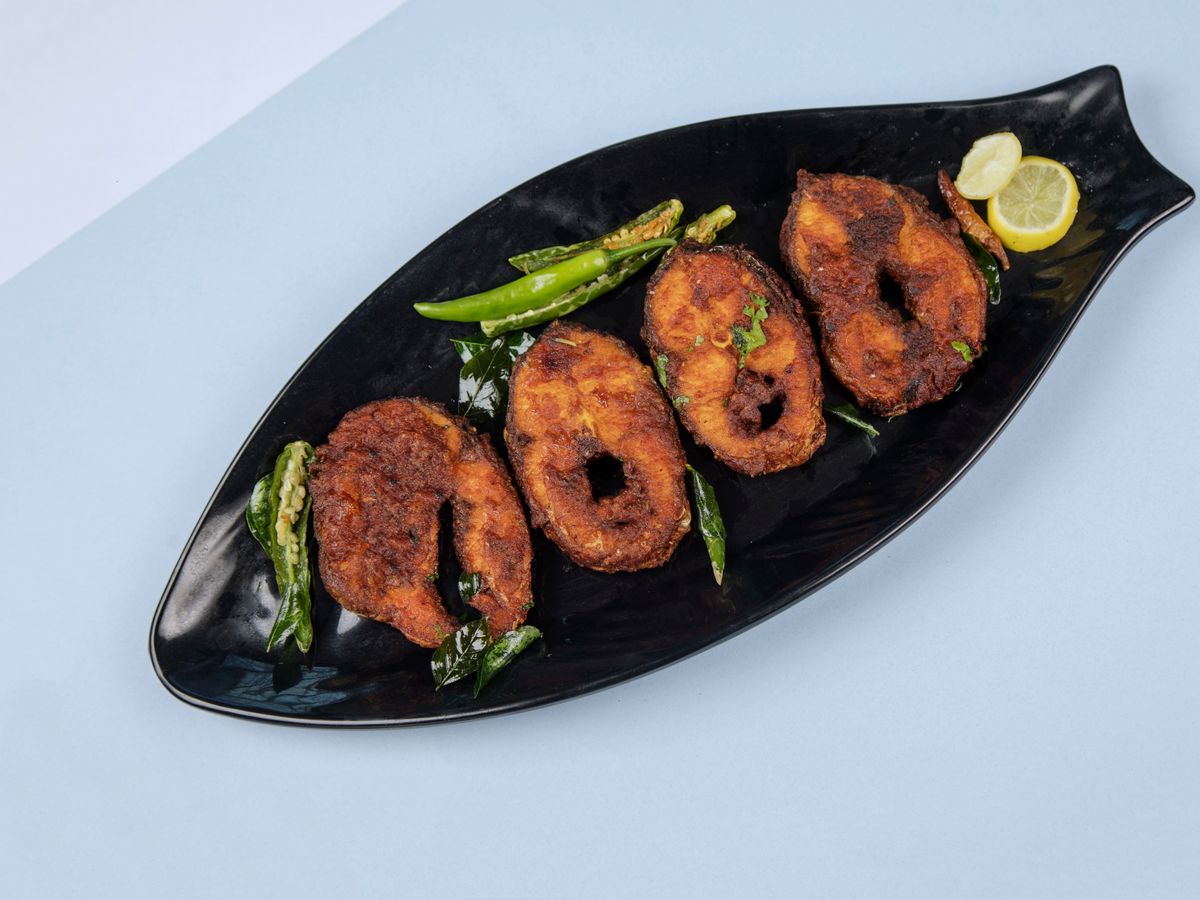
The story begins with religious practice meeting local resources. Catholic immigrants brought the custom of abstaining from meat on Fridays, while Wisconsin’s waters supplied fish such as perch, bluegill, and walleye. The Wisconsin Historical Society traces the state’s fish-fry tradition to early German Catholic settlers, who used that abundance and gradually developed their own versions of the meal.
Milwaukee’s history also leads to Jones Island and its Kashubian fishing community. In a 2018 WUWM report, culinary historian Kyle Cherek described settlers from northwestern Poland who brought their fishing knowledge to Lake Michigan.WUWM reported that historians, including Milwaukee historian John Gurda, identify the island during the 1860s and 1870s as an important early center of the city’s fish-fry tradition.
Prohibition gave taverns another reason to put fish on the menu. With legal alcohol sales cut off, selling inexpensive meals offered a way to attract customers and keep business moving. Stories about precisely how fish dinners and illicit drinks mingled can wander into folklore, however. Author and filmmaker Ron Faiola made that distinction in Fifty Grande, describing free-fish-with-beer accounts as “the legend,” rather than an uncontested origin story.
The practical explanation is compelling enough without polishing the legend. Fish was available, the meal could feed families, and taverns had an incentive to welcome people through their doors. What developed was not simply a workaround for a dietary restriction. It was a recurring public gathering, with a menu recognizable enough to become part of Milwaukee’s identity.
The Best Part Might Be Who’s Across the Table
The social side isn’t something tourism brochures invented. When WUWM visited North Shore American Legion Post 331 in Shorewood in 2018, then-general manager Diane Delland reported serving 200 to 250 fish fries on a typical Friday outside Lent.She described large reservations and a dining room whose 12 tables stayed busy throughout service, evidence that the tradition extended well beyond the Lenten calendar.
Cherek offered an especially vivid description of what happens once people settle in. “If you’re sitting at the end of one of the long tables and you don’t know the people across from you, you will within 7 or 8 minutes,” he told WUWM. That was his observation, not a guarantee at every dinner, but it captures why seating can matter almost as much as the seasoning.
Faiola described a similarly straightforward appeal in Fifty Grande: “It was a family thing.” He explained the invitation behind the tradition as, “Hey, let’s meet up. It’s the end of the workweek. Let’s get dinner.” That proposition is nothing elaborate, which is precisely its strength. The occasion is already on the calendar; nobody needs to invent one.
The broader Wisconsin tradition even has a photographic record of people making those connections week after week. Beginning in 1997, Jim and Shirley Widmer organized Friday outings with relatives, friends and neighbors, eventually experiencing more than 450 distinct fish-fry events. Their photographs, preserved by the Wisconsin Historical Society, document diners gathered around tables, not merely close-ups of what everyone ordered.
Related: 10 Things Boomers & Gen X Call Selfish That Gen Z Considers Completely Normal
The Tradition Stays Familiar Without Standing Still
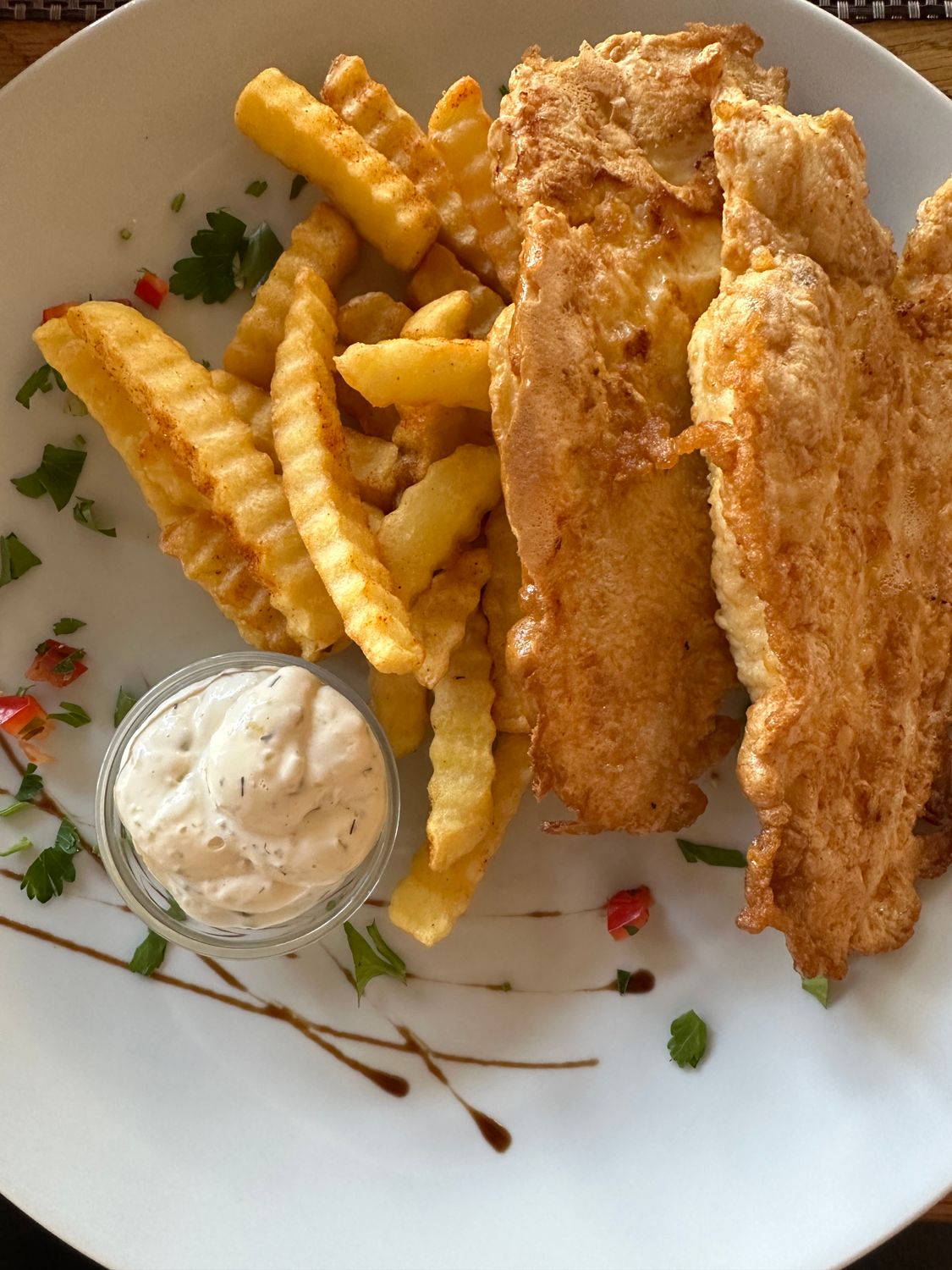
For all its social significance, the food still has to deliver. The Wisconsin Historical Society describes a typical spread of fish with tartar sauce, fries or German-style potato pancakes, coleslaw, and rye bread. WUWM’s historical account explains why that combination took hold: Fish, potatoes, cabbage, and rye bread were inexpensive and readily available. Familiarity began with practicality, not a committee deciding what counted as authentic.
Family recipes help give individual establishments their identity. In the Shepherd Express report, Ebony Lewis, granddaughter of the Catfish Lounge’s original owners, James and Jamie Gladney, explained how cooking knowledge moved through her family. “The secrets have been passed down, and now my younger cousins cook and manage the kitchen,” she said. Her account shows another way a fish dinner carries history: through the people preparing it.
The format can also change. Visit Milwaukee’s fish-fry guide highlights Lakefront Brewery’s polka accompaniment and vegetarian options, including fried eggplant, while The Packing House offers a drive-through alongside its dining-room experience. Those variations matter because they show that preserving a tradition does not require serving everyone in exactly the same way. The recognizable Friday ritual can accommodate different appetites and schedules.
Kegel put that openness plainly when she told the Shepherd Express that the tradition offers a connection to local culture whether a family arrived in the 1800s or is newly established in the area. Milwaukee’s Friday fish fry does not ask diners to inherit the same past. It gives them a place to participate in the same present, with potato pancakes on the side.