7 Reasons Americans Should Never Ignore Emergency Supply Warnings Until It Is Too Late
When officials warn Americans to prepare emergency supplies, it’s tempting to assume the warning is meant for someone else. Perhaps you live far from the coast, have never experienced a major flood, or believe your neighborhood is unlikely to face a serious emergency.
But disasters do not always happen where people expect them. Hurricanes, wildfires, winter storms, tornadoes, floods, and unexpected power outages can disrupt ordinary household routines with little time to prepare.
The problem is that many families only start thinking about emergency supplies when supermarket shelves are crowded, roads are hard to navigate, or local officials advise residents to leave their homes.
Emergency preparedness is not about expecting the worst every day. It is about understanding that access to basic necessities can become difficult when normal services are interrupted. Here are seven reasons Americans should take emergency supply warnings seriously.
Emergency Services May Not Reach Your Neighborhood Immediately
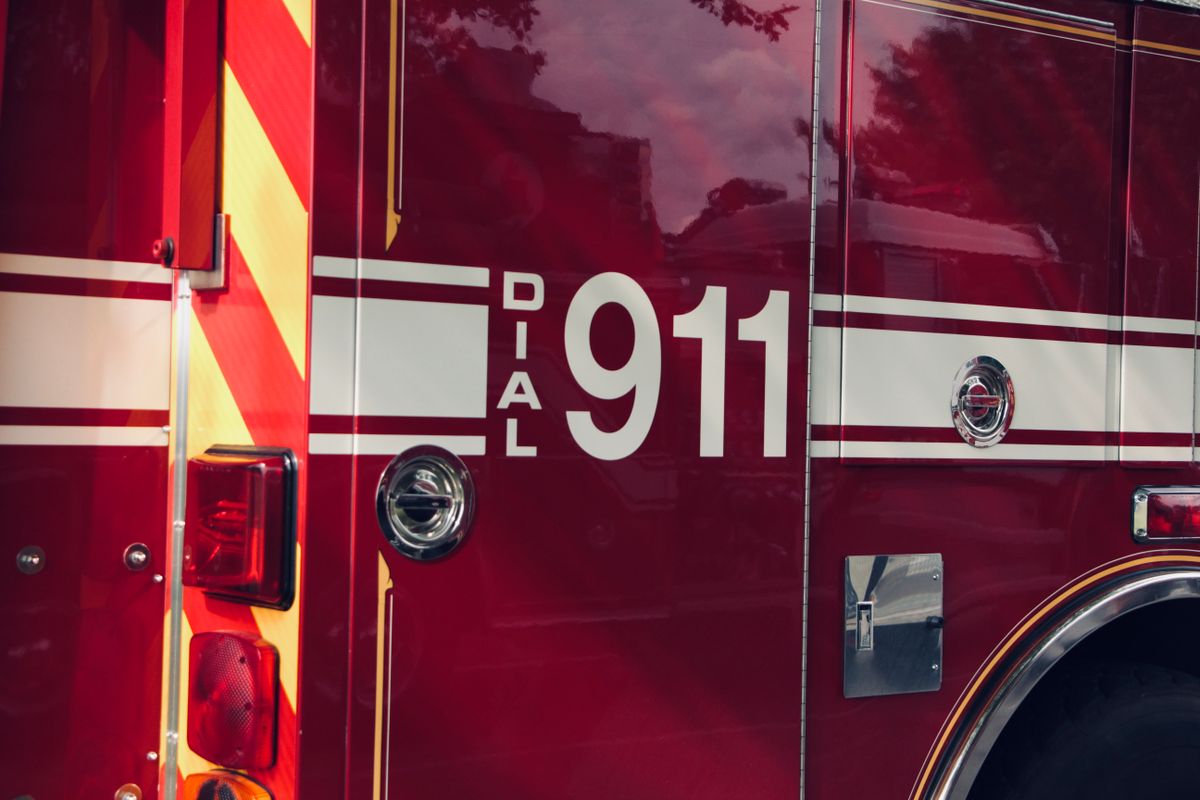
Many people assume that firefighters, police officers, ambulance crews, and other emergency responders will be available whenever something goes wrong. Although these services play an essential role during disasters, a major emergency can place enormous demands on them.
A hurricane, widespread wildfire, or severe winter storm may affect several neighborhoods simultaneously. Emergency personnel may have to prioritize immediate life-threatening situations, damaged infrastructure, and people who cannot evacuate without assistance.
This means households may need to manage basic needs while waiting for help to become available.
Having drinking water, nonperishable food, flashlights, first-aid supplies, and essential household items can make a difference during that waiting period.FEMA encourages households to maintain emergency supplies because responders may not be able to reach everyone immediately.
Related: 10 American Things Americans Didn’t Know Were Exclusively American
A Power Outage Can Disrupt More Than Your Television
Many Americans associate power outages with inconvenient evenings when the lights, television, and internet stop working. However, a prolonged outage can affect several important parts of everyday life.
Refrigerators and freezers may stop operating, electric cooking appliances may become unavailable, and people who depend on powered medical equipment may need backup arrangements.
Charging a phone can also become difficult when household electricity is unavailable for an extended period.
The consequences can extend beyond individual homes. Businesses may temporarily close, fuel stations may experience disruptions, and electronic payment systems may become unavailable.
Keeping flashlights, extra batteries, portable phone chargers, and a battery-powered or hand-crank radio can help households manage some of these challenges.
Drinking Water May Become Difficult to Access
Water is one of the most important emergency supplies, yet many households take it for granted.
Flooding, damaged water infrastructure, contamination, and interruptions to public utilities can affect access to safe drinking water. In some emergencies, authorities may issue boil-water advisories or instruct residents not to use tap water until further notice.
Even when bottled water remains available in nearby stores, transportation problems and increased demand can make it difficult to obtain.
The Federal Emergency Management Agency recommends storing at least one gallon of water per person per day for several days. That water can help meet drinking and basic sanitation needs, although individual households may require more depending on their circumstances.
Having a supply available before an emergency is much easier than trying to find drinking water after normal services have been disrupted.
Grocery Stores May Not Be Easy to Reach
An emergency can affect more than a neighborhood’s immediate safety. It can also interfere with the systems that bring everyday products into stores.
Severe weather may close roads, disrupt deliveries, damage commercial buildings, or keep employees from getting to work. Even when a grocery store remains open, increased demand can make certain essentials difficult to find.
This is why emergency preparedness guidance recommends keeping nonperishable food at home.
Canned goods, shelf-stable meals, crackers, and other foods that require little preparation can be useful when electricity, refrigeration, or cooking facilities are unavailable.
The U.S. government’s FoodSafety.gov also recommends planning for at least three days of emergency food supplies, including foods that require little or no cooking or refrigeration.\
Related: 10 foods that saw a significant price increase this year
Some People Cannot Afford to Lose Access to Essential Medications
For households with members who depend on regular medication or medical supplies, emergency preparedness requires additional planning.
A pharmacy may temporarily close, roads may become inaccessible, or transportation problems may make it difficult to collect a prescription. Someone who waits until the last minute to organize essential supplies could face unnecessary difficulties.
The same concern applies to people who need prescription glasses, mobility equipment, medical documents, or specific personal care products.
The Food and Drug Administration advises consumers to prepare for emergencies by considering their medical needs and including appropriate medical products in their emergency kits.
Households should speak with their healthcare providers and pharmacists about safe ways to plan for medication interruptions. Do not change prescribed doses or take medication differently simply because an emergency is approaching.
Evacuation Orders Can Leave Very Little Time to Prepare
One of the biggest mistakes people make is assuming they will have plenty of time to organize their belongings if they are told to leave home.
During a fast-moving wildfire, approaching hurricane, or serious flooding event, officials may advise residents to evacuate quickly. Roads may become congested, weather conditions may deteriorate, and some routes may become unsafe.
Searching through cupboards for important documents, charging devices, locating medication, and deciding what to pack can waste valuable time.
A prepared household is better positioned to respond because essential items are already gathered.
FEMA recommends keeping emergency supplies in easy-to-carry containers, especially if evacuation becomes necessary. It also advises families to make emergency plans and identify the different hazards that could affect their communities.
Your Family and Pets May Have Needs That Ordinary Emergency Kits Do Not Cover

A basic emergency supply checklist is a useful starting point, but every household has different requirements.
A family with an infant may need formula, bottles, diapers, and wipes. Older adults may need mobility aids or additional personal supplies. Households with pets need to consider food, drinking water, leashes, carriers, and relevant records.
These needs can easily be overlooked when people purchase a standard emergency kit without considering who lives in their home.
Also consider family communication. If household members become separated during an emergency, everyone should know how to contact one another and where to meet.
FEMA recommends tailoring emergency kits to individual household needs, including those of children, older adults, and pets.
Related: 10 Cutest Mixed Dog Breeds You’ll Absolutely Love
Preparing Today Can Make an Emergency Easier to Manage
Emergency supply warnings are not necessarily predictions that a disaster will happen in your neighborhood. They remind you that ordinary services and household routines can be interrupted, sometimes longer than people expect.
Americans do not need to spend thousands of dollars purchasing specialized equipment to begin preparing. A household can start with drinking water, nonperishable food, a flashlight, extra batteries, a first-aid kit, essential medications, hygiene supplies, and a way to charge mobile phones.
Build supplies gradually, check expiration dates, replace items as needed, and make sure everyone knows where the emergency kit is stored.
Remember that supplies alone are not enough. Families should follow official local alerts, understand evacuation instructions, and know which hazards matter most in their area.
The best time to prepare for an emergency is before everyone else is rushing to do the same thing.