The Shoe That Makes Jeans Look Smarter, and Work Outfits Feel Less Stuffy
Some shoes need an outfit built around them. Loafers are more willing to meet your wardrobe halfway. They can sharpen jeans and a T-shirt, complement tailored trousers, or add structure to a floaty dress without a complete style overhaul. Fashion editors and stylists repeatedly recommend those combinations, which helps explain why loafers remain useful long after a particular runway version has had its moment. Their appeal is less about one perfect outfit than the number of outfits they can join.
“I think it’s the ease of the style that has made it stand the test of time,” Cyril Crentsil, then European marketing manager at G.H. Bass & Co., told The Gentleman’s Journal in 2020. “It straddles that line between casual and formalwear that allows it to be worn in multiple settings by various age groups.” He was speaking for a brand with an obvious stake in the shoe, but independent styling coverage illustrates the same flexibility. Loafers occupy that handy middle ground between dressing down and looking dressed.
A Long History, With Plenty of Wardrobe Changes

The loafer’s staying power is not simply a matter of fashion writers calling something “timeless.” G.H.BASS introduced its Weejuns in 1936, inspired by Norwegian slip-on footwear and giving the design a name that playfully shortened “Norwegian.” The company’s history traces the shoes from their early American introduction to their association with Ivy League dressing in the 1950s and 1960s. Chinos, Oxford shirts and blazers became familiar companions, but they were hardly the end of the story.
The penny loafer’s recognizable feature is the leather saddle across the top, complete with a small cutout.G.H.BASS describes students tucking coins into that opening, helping establish the nickname, although the emergency-pay-phone explanation is presented as legend in its anniversary history. Gucci added another enduring variation when it introduced its Horsebit loafer in 1953, distinguished by equestrian-inspired hardware. These are related styles, not interchangeable designs: one uses a leather strap, while the other makes metal detailing part of its identity.
Crucially, the loafer did not remain confined to its campus associations. G.H.BASS’s history describes its adoption by mod, punk and other subcultures that reworked preppy clothing for different purposes. That movement matters because it shows how the same recognizable shoe can communicate something different depending on its surroundings. A blazer and chinos emphasize its traditional side; different proportions, socks, and styling can pull it away from that familiar script. The design has survived partly because wearers have never agreed to leave it alone.
Related: 10 Stylish Ways to Wear Jeans with Confidence After 60
Why Loafers Get Along With So Many Clothes
The most useful word here is balance. Loafers can introduce structure to relaxed clothing without making it look as though the wearer accidentally changed into formal shoes. Los Angeles-based stylist Patricia Lagmay described her preferred combination to The Zoe Report: “a white tee, vintage jeans, and an oversized men’s blazer,” finished with black or dark mahogany loafers. “It’s easy and casual but still put together,” she explained. The appeal is the contrast: denim relaxes the tailored pieces, while the shoes help the outfit look intentional.
Jeans are therefore an easy starting point, but the hem deserves attention. Stylist Gianna Nucci told Today that she recommends a pant length that shows a little ankle for a contemporary look. “You want to make sure your pant hem doesn’t conflict with the top of the loafer, since that can throw off the balance of your outfit,” she explained. That is guidance about proportion rather than a ban on longer trousers: contemporary styling coverage also pairs loafers with wide-leg jeans, using the shoe to add crispness to a relaxed silhouette.
Tailoring works for the opposite reason: loafers fit its polished character while offering an alternative to more formal lace-up footwear. Fashion editor andstylist Antonia Kraskowski told Woman & Home, “A classic style, the loafer is a shoe that doesn’t date and works with every outfit, from flippy mini dresses at the weekend, to tailored outfits for work.” “Every outfit” is her styling assessment, not a universal dress-code guarantee. Still, trousers, a simple knit, and loafers form a straightforward combination when the aim is to look composed rather than ceremonial.
Dresses and skirts introduce another useful contrast. Marks & Spencer’s styling guidance recommends loafers with floaty dresses and A-line miniskirts, while Vogue pairs a smooth, minimalist version with a sleek midi skirt and striped button-down. The effect depends on the pieces: a substantial shoe can give softer clothing an edge, while a streamlined loafer supports a cleaner silhouette. Neither approach requires dressing like a school uniform, although anyone who enjoys the preppy reference has plenty of room to embrace it.
Small Styling Choices Make the Difference
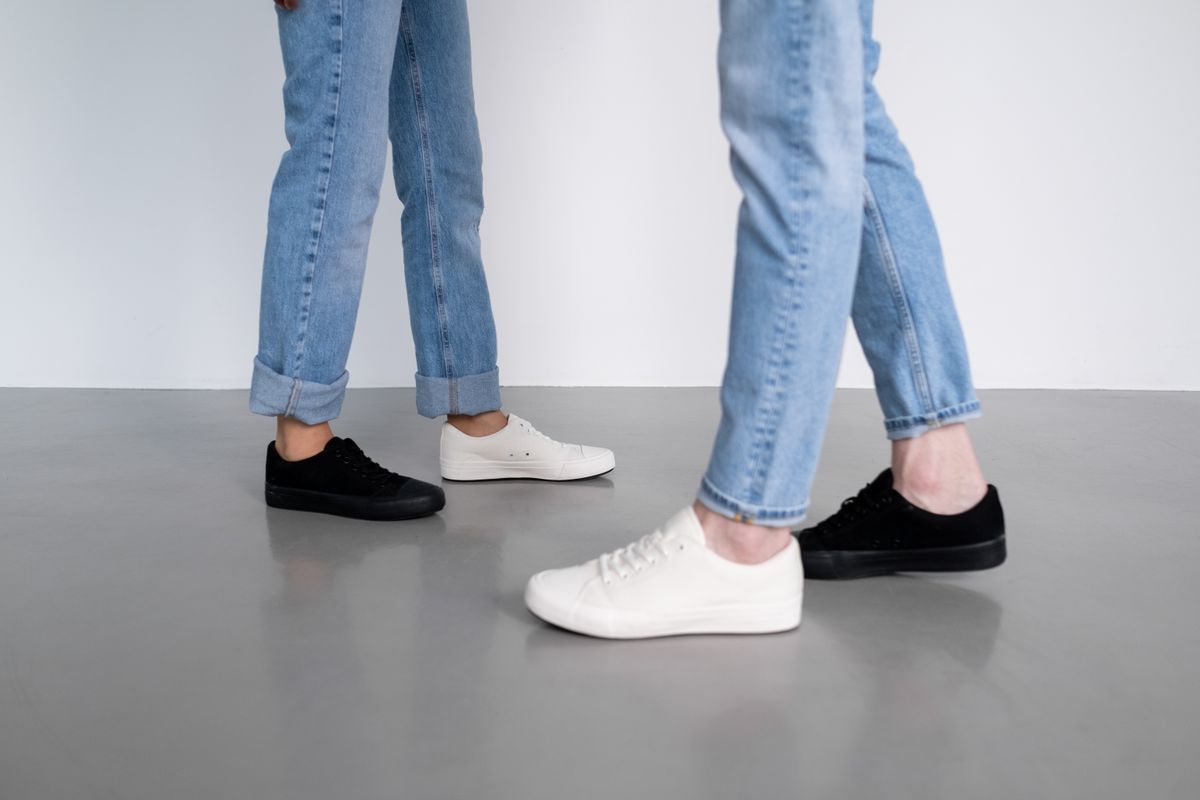
Not all loafers make the same impression, which is worth remembering before buying the pair that appears in every shopping roundup. Nucci told Today that a chunky lug sole suits a trend-driven dresser, while a traditional neutral leather penny loafer may better serve someone with a classic or feminine style. The advice is to start with the clothes you actually wear rather than assume the most dramatic sole is the most versatile. A familiar design can still feel wrong if its proportions fight the rest of your wardrobe.
Socks provide another way to change the mood without buying another shoe. Nucci recommends ankle socks with shorts, miniskirts and dresses, while Marks & Spencer also encourages socks with skirts for a contemporary look. Glamour offers a different example: slim loafers with relaxed jeans and white socks, using the shoes to contrast with baggier proportions. These are styling options rather than mandatory rules so that the visible-sock question can remain a matter of preference rather than a wardrobe referendum.
The strongest case for loafers is ultimately practical versatility, not a promise that one pair will suit every occasion or every foot.Their documented history stretches across decades, while current outfit guidance still places them alongside denim, tailoring, skirts and dresses. Start with a familiar combination, then adjust the shoe shape, hem or socks to suit the effect you want. Loafers have endured without demanding a fixed uniform, and that is precisely what makes them worth keeping in the rotation.