8 Southern Foods That Taste Different Depending on Which State You’re In
Southern food is often described as though the entire region shares one menu. In reality, cooking traditions vary considerably between states, communities, and even neighboring families.
Agriculture, migration, geography, and cultural influences have shaped what people prepare. A familiar dish in one area may be cooked with different ingredients somewhere else. These eight examples reveal how regional variation makes Southern food more interesting than a single collection of recipes.

1. Barbecue
Barbecue may be the clearest example of Southern regional food differences. Meat choices, sauces, cooking methods, and seasonings vary across states.
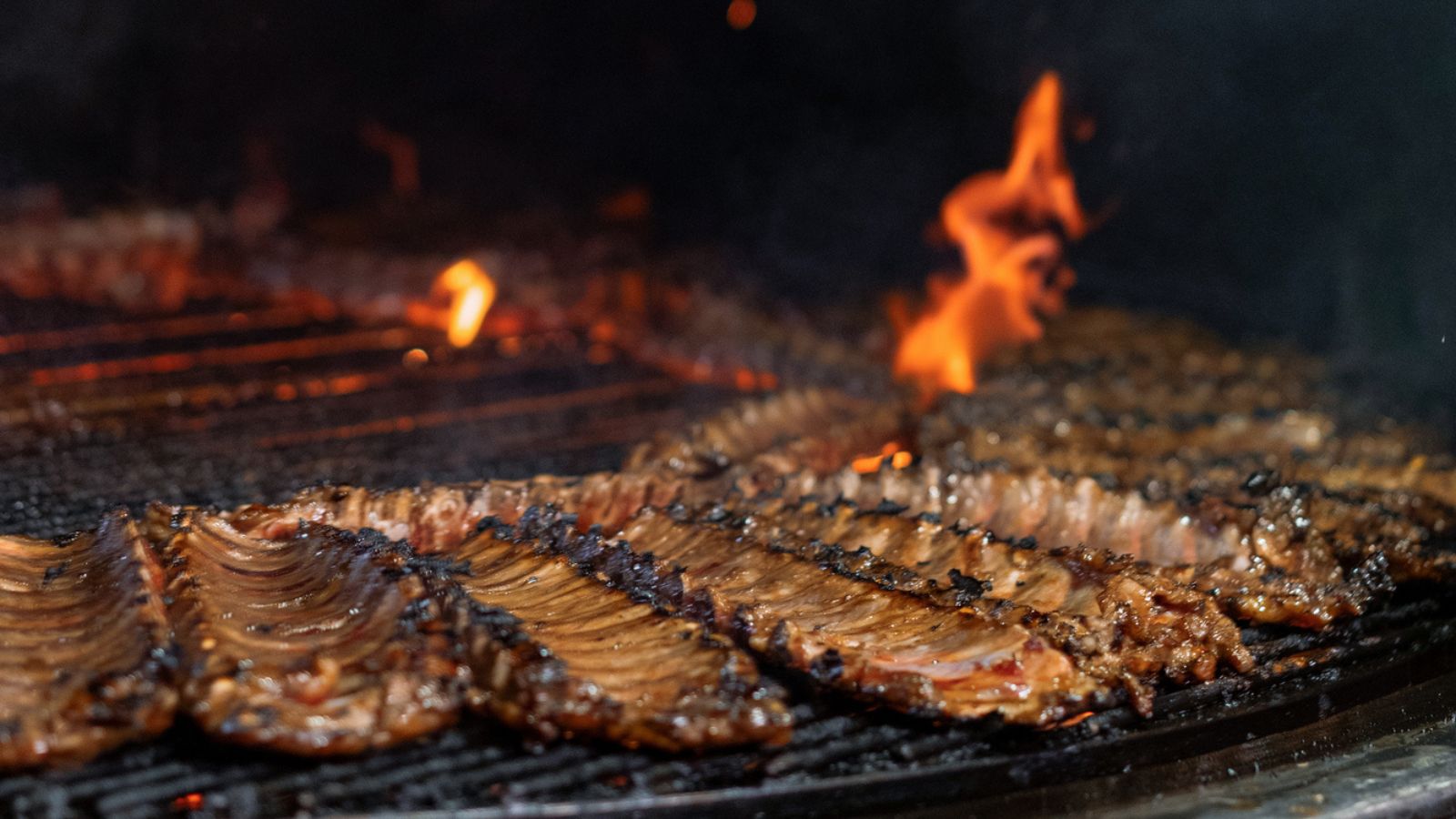
Eastern North Carolina is associated with whole-hog barbecue and vinegar-based sauces. South Carolina has mustard-based sauce traditions, while Texas is especially recognized for smoked beef brisket.
Memphis is familiar for pork ribs and other barbecue preparations. These regional styles aren’t exclusive to their locations, and individual restaurants often develop their own approaches.
The variety helps explain why barbecue discussions can become so passionate. People frequently compare dishes based on traditions they consider authentic.
2. Cornbread
Cornbread appears throughout the South, but recipes differ in sweetness, texture, and preparation. Some cooks use only cornmeal, while others include wheat flour.
The question of adding sugar is particularly controversial. Many Southern cooks prefer savory cornbread, while others appreciate a sweeter version.
Cast-iron skillet preparation is familiar in numerous households. The hot skillet can produce a crisp crust that contrasts with the soft interior. The ideal cornbread often depends on what a family served with beans, greens, or other dishes.
3. Gumbo
Gumbo is strongly associated with Louisiana, where different cultural traditions contributed to its development. Recipes may include seafood, chicken, sausage, okra, or other ingredients.
Some gumbos use a dark roux to develop flavor. Others emphasize different thickening ingredients and cooking methods.
The distinction between Cajun and Creole cooking is often discussed, but recipes don’t always fit neatly into simple categories. Family traditions and local ingredients play important roles. Gumbo illustrates how regional cooking develops through cultural exchange rather than a single fixed formula.
4. Biscuits and Gravy
Biscuits and gravy are familiar throughout much of the South, but preparation methods vary. Some households prefer sausage gravy, while others use different meat drippings or seasonings.
Biscuits may be soft and fluffy or have a more substantial texture. Ingredients such as buttermilk and different flours influence the result.
The dish is particularly associated with breakfast, although some families serve it at other times. Its appeal comes from using familiar ingredients to create a filling meal. Regional preferences also influence how much pepper is added to the gravy.
5. Fried Chicken
Fried chicken is associated with Southern cooking, but recipes differ widely. Some cooks marinate the chicken in buttermilk, while others use a seasoned flour coating without soaking.
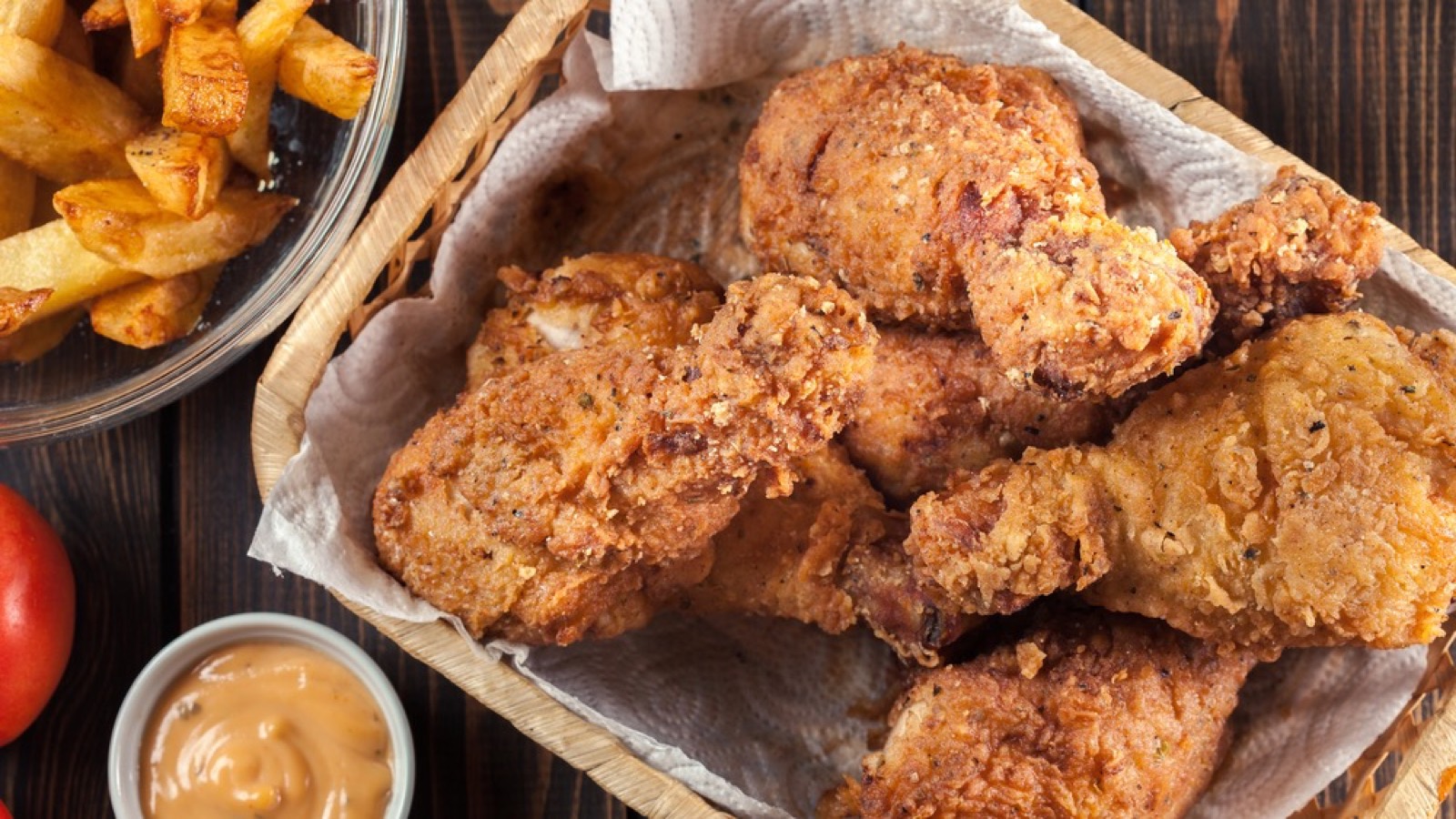
The cooking fat, temperature, and seasoning mixture affect flavor and texture. Certain preparations emphasize a crisp crust, while others prioritize a lighter coating.
Hot chicken is particularly associated with Nashville, Tennessee. Its spicy seasoning distinguishes it from many conventional fried-chicken recipes. Different family traditions have also shaped how fried chicken is prepared for celebrations and everyday meals.
6. Shrimp and Grits
Shrimp and grits has strong connections to the Lowcountry of South Carolina and Georgia. Earlier versions were often straightforward meals based on locally available seafood and ground corn.
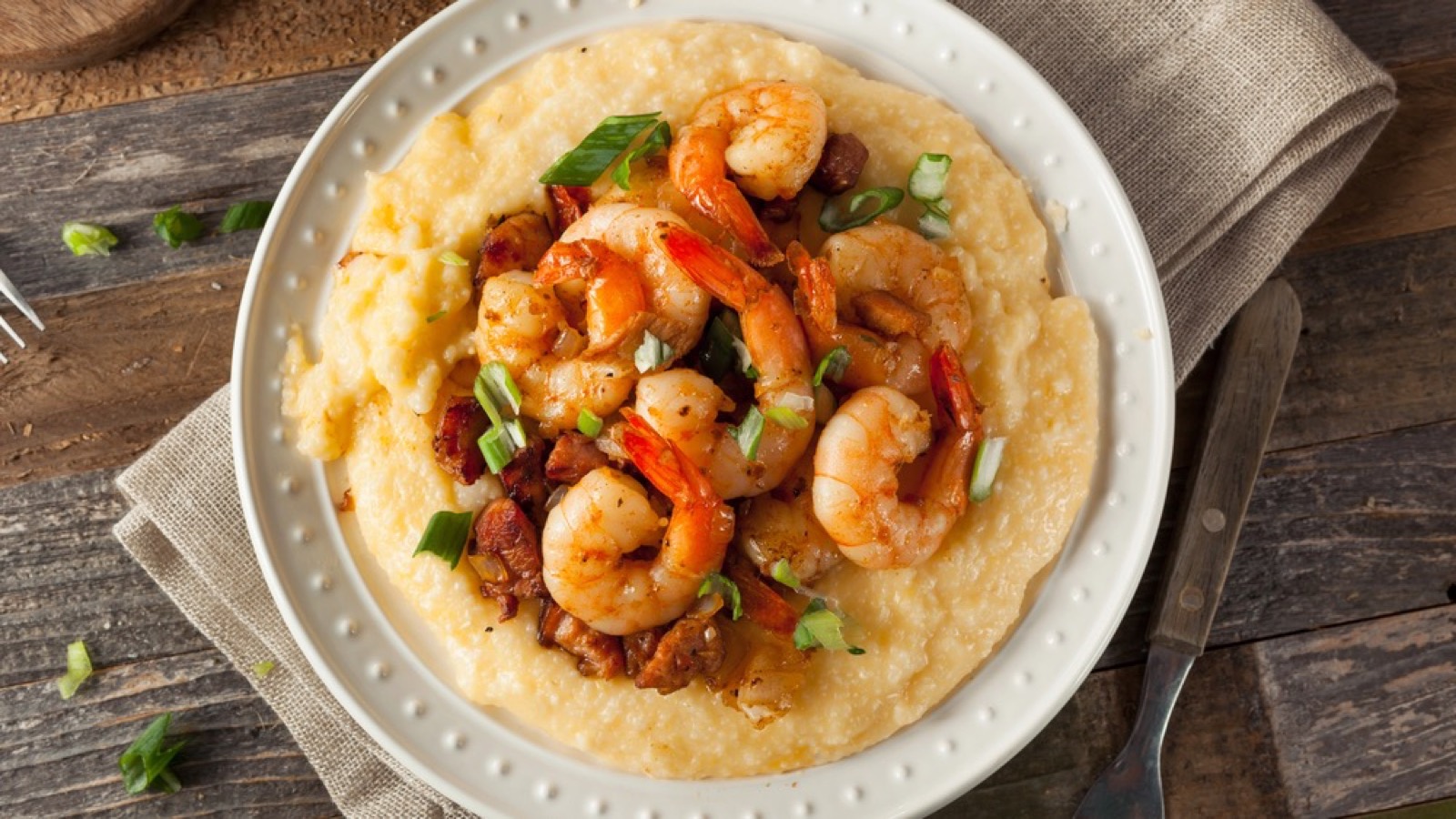
Modern restaurant interpretations may include bacon, cheese, vegetables, or rich sauces. The result can differ considerably from simpler traditional preparations.
A history of Southern dishes examines shrimp and grits alongside other regional favorites. The dish illustrates how local food traditions can gain national recognition. Its popularity also shows how a humble meal can become associated with restaurant dining.
7. Hush Puppies
Hush puppies are small fried pieces of cornmeal batter, often served with fish or barbecue. Recipes vary in sweetness, seasoning, and texture.
Some versions include chopped onions, while others emphasize the flavor of cornmeal. Preparation methods also affect how crisp the outside becomes.
Hush puppies are especially familiar in coastal and Southern fish-fry traditions. Their role as a side dish reflects the importance of cornmeal in the region. Restaurants and families continue adapting the recipe according to local preferences.
8. Brunswick Stew
Brunswick stew is associated with several Southern states, particularly Virginia and Georgia. Its precise historical origins remain contested, with different communities claiming connections to the dish.
Traditional and modern versions may include chicken, pork, tomatoes, corn, lima beans, and other ingredients. The finished stew is usually thick and substantial.
Its ingredients can vary depending on regional and family traditions. Some versions are strongly associated with barbecue gatherings.
Brunswick stew demonstrates how food history can become tied to local identity. Different places preserve their own stories about the dish.
What Makes Regional Southern Cooking Special?
Southern cuisine developed through the contributions of Native American, African, African American, European, and other communities. Local crops, available seafood, livestock, and cooking methods created distinctive regional styles.
Those influences don’t stop neatly at state borders. Neighboring communities may share recipes, while families within one town prepare them differently.
For travelers, exploring regional food can provide a deeper understanding of local history. Trying a dish where it has longstanding cultural roots offers more than a new flavor.
The most useful approach is to remain curious rather than assume one preparation represents an entire state. Southern food traditions are diverse, and that variety is part of their appeal.