7 Things You Should Never Clean With Bar Keepers Friend, Even If It Works Wonders Elsewhere
Bar Keepers Friend has earned its place under countless American kitchen sinks. From stubborn rust stains to burnt-on food, this popular cleaner can make old cookware look surprisingly new. But before you reach for that familiar gold can, keep this in mind: not every surface can handle its cleaning power.
Since 1882, Bar Keepers Friend has been particularly effective on certain hard, nonporous surfaces. However, its cleaning ingredients and mild abrasives can damage delicate finishes, strip protective coatings, and leave permanent marks.
In fact, the company specifically warns against using its original cleanser on several everyday household materials. Here are seven places to think twice before scrubbing.
Marble and Granite Countertops
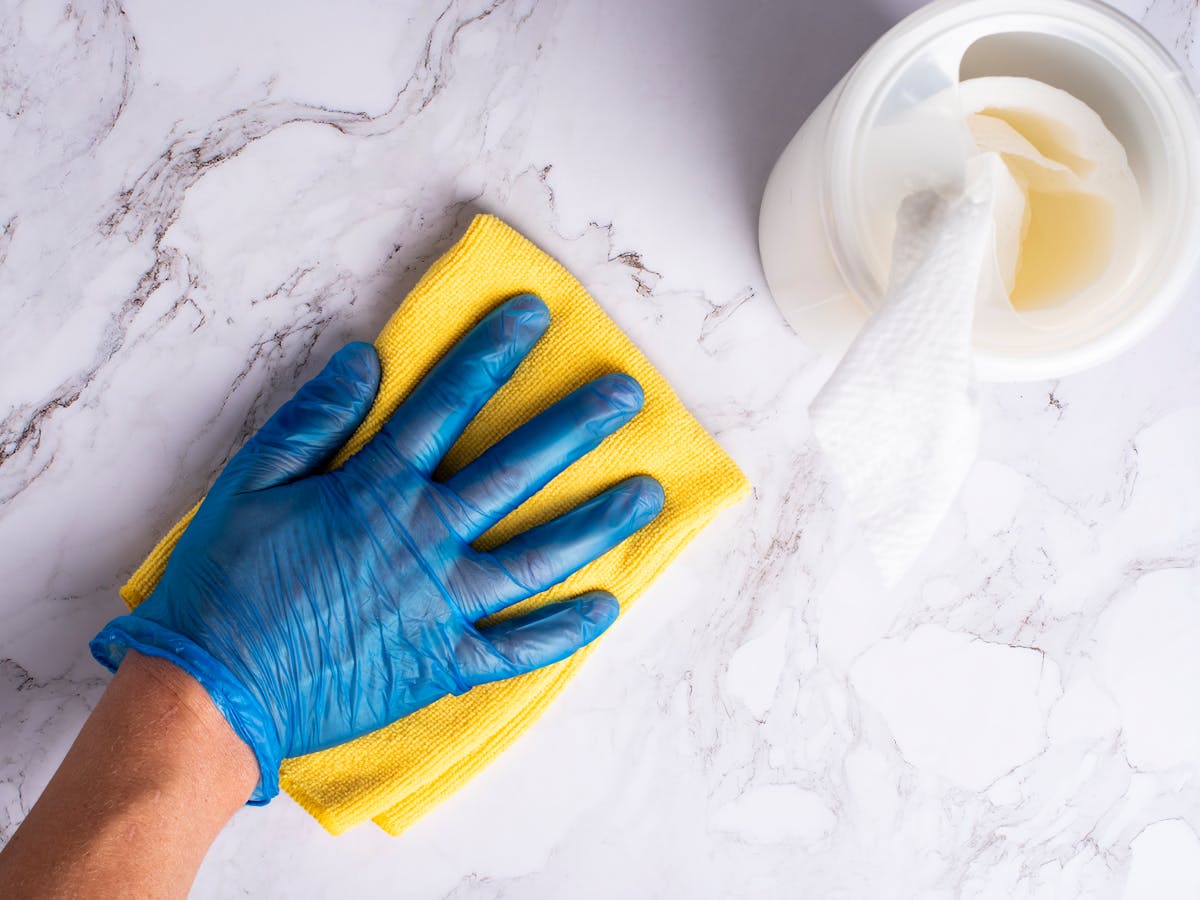
That beautiful marble island or polished granite countertop might look tough, but the wrong cleaner can ruin its finish.
Bar Keepers Friend’s original powder and Soft Cleanser aren’t recommended for marble or granite because they can dull polished surfaces or cause damage.
The company recommends a pH-balanced stone cleaner instead. Its specially formulated Granite & Stone Cleaner & Polish is designed for sealed natural stone.
So, if you’re tackling coffee rings or cooking splatters, skip the regular powder and protect that expensive countertop.
Nonstick Pots and Pans
That favorite nonstick skillet makes scrambled eggs practically effortless, but it doesn’t appreciate aggressive cleaning.
Bar Keepers Friend can wear away the coating that gives nonstick cookware its slippery surface. Once that coating becomes scratched or damaged, the pan may no longer perform as intended.
The manufacturer explicitly advises against using its original cleanser on nonstick cookware.
Instead, reach for warm, soapy water and a soft sponge. A little soaking is much better than scrubbing away the coating you paid for.
Cast-Iron Skillets
If you inherited Grandma’s cast-iron skillet, keep Bar Keepers Friend away from its carefully built-up seasoning.
That dark protective layer is one reason seasoned cast iron performs so well. But the cleaner can strip the seasoning, leaving the metal more vulnerable to rust.
According to Bar Keepers Friend’s own guidance, cast iron belongs on its list of surfaces to avoid.
For everyday cleaning, follow your cookware manufacturer’s care instructions, then dry the skillet thoroughly and maintain its seasoning.
Relatable: 15 Forgotten Areas You Need to Clean in Your Home
Wooden Furniture and Cabinets
Kitchen cabinets, dining tables, and wooden cutting boards all need a gentler touch.
While Bar Keepers Friend works beautifully on certain metals, its abrasive ingredients can scratch wood finishes or leave surfaces looking worn.
The manufacturer’s safety guidance specifically lists wood among materials unsuitable for its original cleanser.
For finished furniture or cabinetry, try a soft cloth and a cleaning product recommended for that particular finish. Your favorite wooden dining table doesn’t need industrial-strength scrubbing to look its best.
Gold Jewelry and Silver-Plated Items
That anniversary necklace or silver-plated serving tray you bring out for Thanksgiving deserves special treatment.
Bar Keepers Friend warns that its cleaners can remove plating from gold- or silver-plated objects.
The company distinguishes solid sterling silver from silver-plated items and notes that sterling silver may suit certain applications. However, it generally advises against using its cleansers on gold and silver jewelry, especially antiques.
Instead, choose a jewelry cleaner specifically recommended for the metal and finish.
Mirrors and Delicate Reflective Surfaces
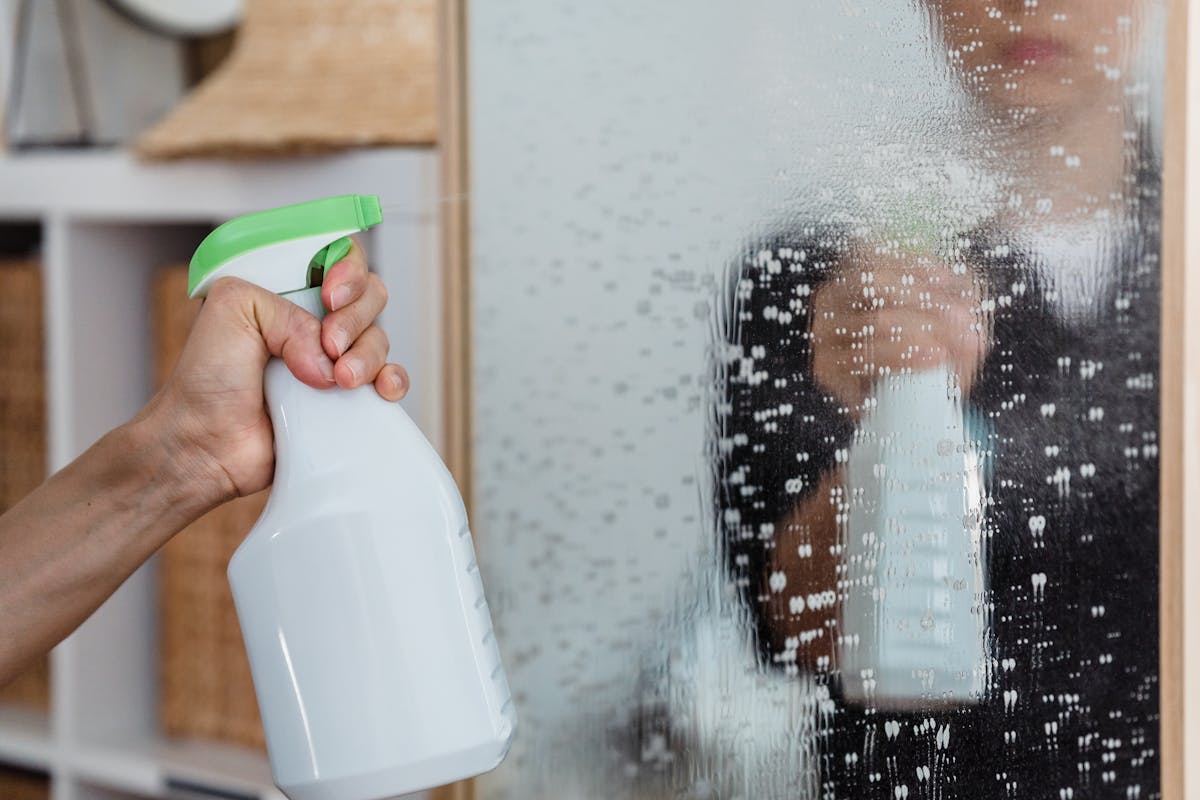
Bathroom mirrors collect toothpaste splatters, fingerprints, and water spots almost overnight. But Bar Keepers Friend isn’t the answer.
Although the cleaner works on ordinary glass, mirrors are different because their reflective backing and surrounding finishes need extra care.
The manufacturer specifically lists mirrored surfaces among those it does not recommend cleaning with its original products.
A microfiber cloth and a mirror-safe cleaner are better choices for maintaining a streak-free reflection without unnecessary risk.
Painted or Lacquered Surfaces
Considering Bar Keepers Friend to remove stubborn marks from painted kitchen cabinets, decorative furniture, or lacquered fixtures? Think again.
Its abrasive action can wear away paint, scratch protective finishes, and leave visible marks.
Bar Keepers Friend explicitly advises against using its original cleanser on painted and lacquered surfaces.
A damp microfiber cloth and a cleaner approved for the finish are generally safer starting points.
One More Mistake That Could Ruin Your Cleaning Results
Even on an approved surface, leaving Bar Keepers Friend on too long can cause problems.
The manufacturer recommends a contact time of no longer than one minute before rinsing thoroughly. That is just 60 seconds.
Its guidance also emphasizes using the original powder with water, avoiding excessive scrubbing, and never mixing it with bleach or ammonia.
The bottom line? Bar Keepers Friend can be a household cleaning superstar, but it’s not a one-product solution for everything. Sometimes, protecting your favorite surfaces means knowing when to put that gold can back under the sink.
Note: These restrictions apply mainly to Bar Keepers Friend’s original powdered cleanser and Soft Cleanser. The brand also makes specialty products formulated for different surfaces, so always check the label before cleaning.