12 Steakhouse Orders Chefs Say You Should Think Twice About
A steakhouse menu can make almost everything sound irresistible. There’s the giant tomahawk arriving like a medieval weapon, the mysteriously expensive Wagyu, the filet mignon described as “buttery,” and at least one special that your server announces with enough enthusiasm to make you wonder if refusing it would be rude.
But chefs tend to look at steakhouse menus a little differently.
For them, the question isn’t simply, “Does this sound good?” It’s also: Is this cut worth the money? Is the kitchen actually known for preparing this dish? And are you ordering something in a way that wipes out the qualities you’re paying extra for?
That doesn’t mean the following orders are universally bad. Many of these are matters of preference, value, or restaurant specialization. Still, culinary professionals have raised some useful reasons to think twice before ordering them.
A Premium Steak Well-Done
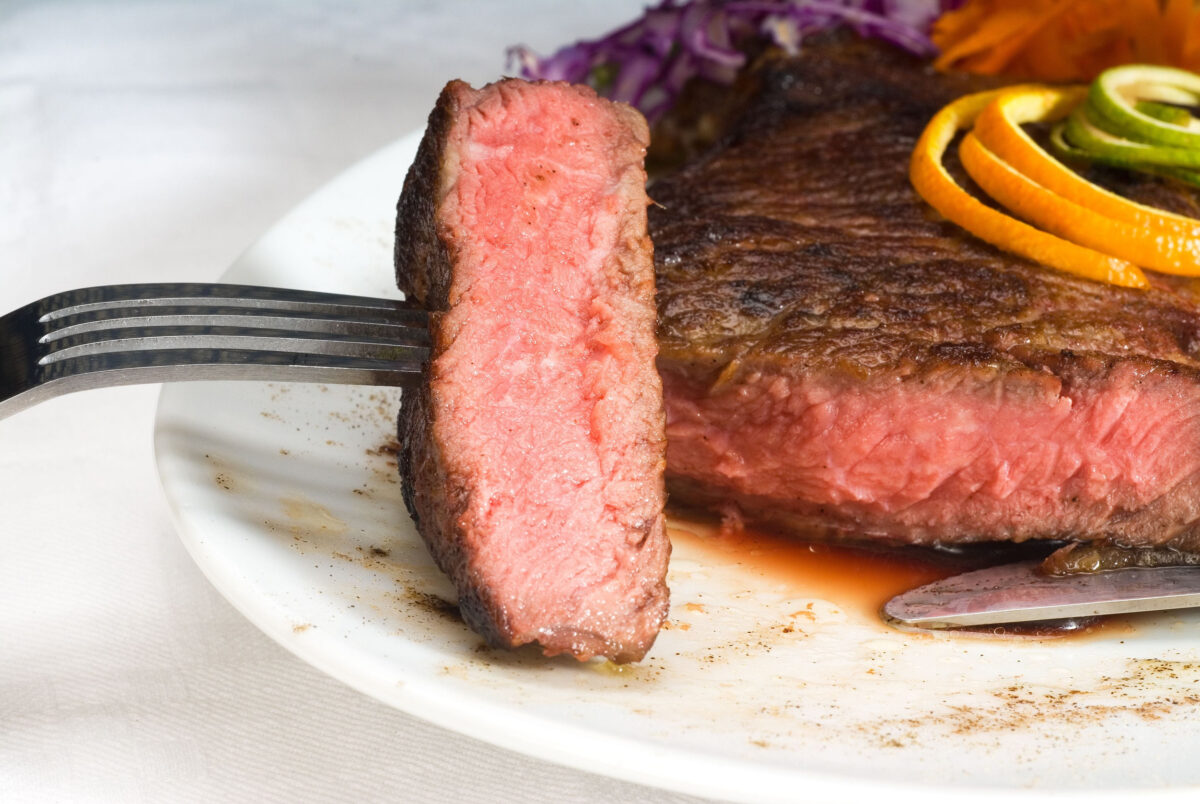
If you love steak well-done, order it well-done. Nobody needs a lecture with dinner.
That said, chefs Armando Febles and Dennis Littley have both argued that extended cooking can reduce a steak’s juiciness, tenderness, and beefy flavor. The concern matters most when you’re paying a premium for a naturally tender, carefully prepared cut.
Chef Tien Ho offers the sensible counterpoint: chefs may have preferred doneness levels, but they should still respect the guest’s order.
Wagyu Cooked Well-Done
Well-done Wagyu is a slightly different issue because the marbling is a huge part of what makes the beef special and expensive.
Executive chef Eric Mickle has warned that overcooking Wagyu can render out much of that flavorful fat. In other words, you may be paying Wagyu prices and then cooking away one of the main reasons you ordered it.
The point isn’t that Wagyu must be served at one exact temperature. It’s that taking a highly marbled steak all the way to well-done may reduce the richness you paid extra to experience.
Filet Mignon When You Want Maximum Beef Flavor
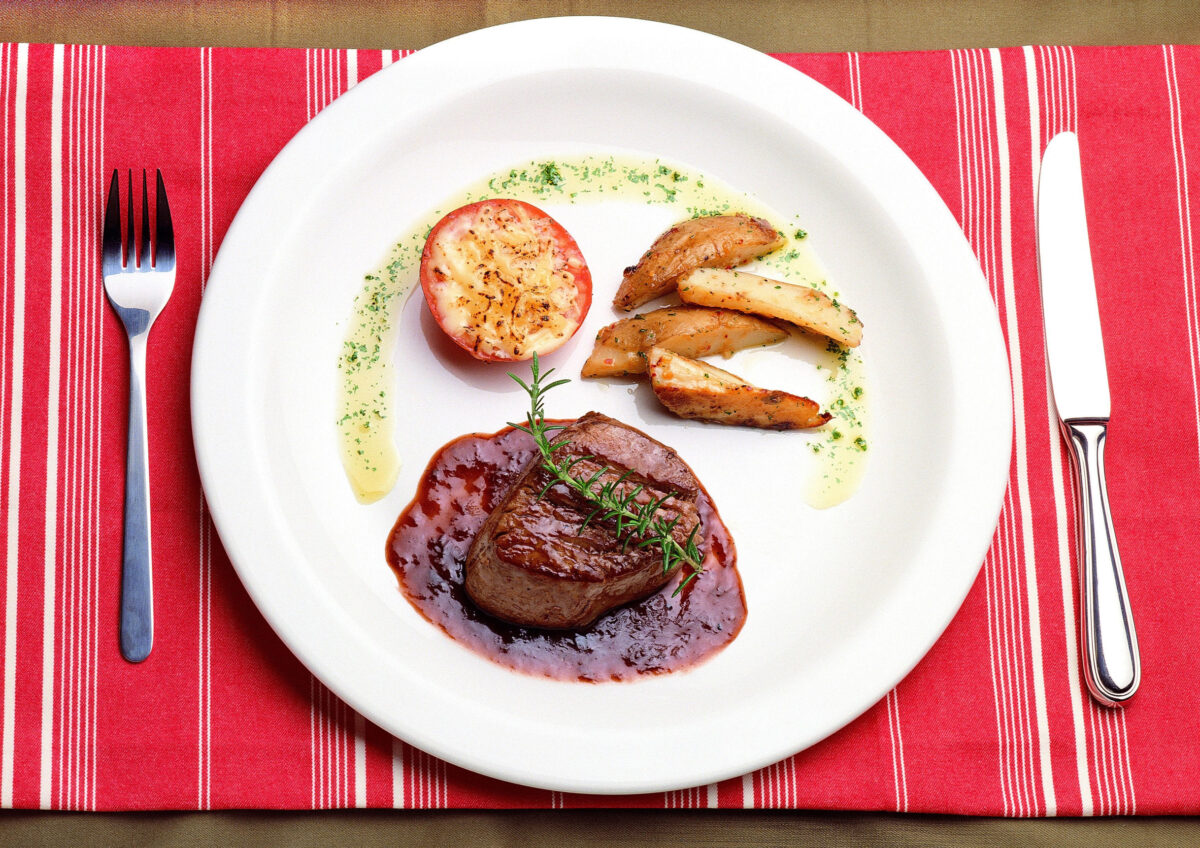
Filet mignon has one undeniable superpower: tenderness.
But if you want bold, rich beef flavor, some chefs think you can do better. Chef-owner Diana Manalang has criticized filet for being very lean, while chef Peter Serpico has questioned whether tenderloin delivers enough flavor for its often-high price.
If you want something beefier, consider a ribeye, strip, or hanger steak instead. Filet can still be a great choice for anyone who values softness and a milder flavor.
“Kobe” Beef Nobody Can Explain
A menu can print the word “Kobe” in very fancy letters. That alone doesn’t tell you much.
Chefs including Joe Isidori, André Fuehr, and Shawn Matijevich have emphasized the importance of understanding where premium beef comes from, what grade it is, and what the menu terminology actually means.
The practical rule is simple: if you’re paying a serious premium, ask what exactly you’re getting.
A good steakhouse should be able to explain the beef’s origin, grade, and what its premium label actually means.
Seafood at a Steakhouse With No Seafood Reputation
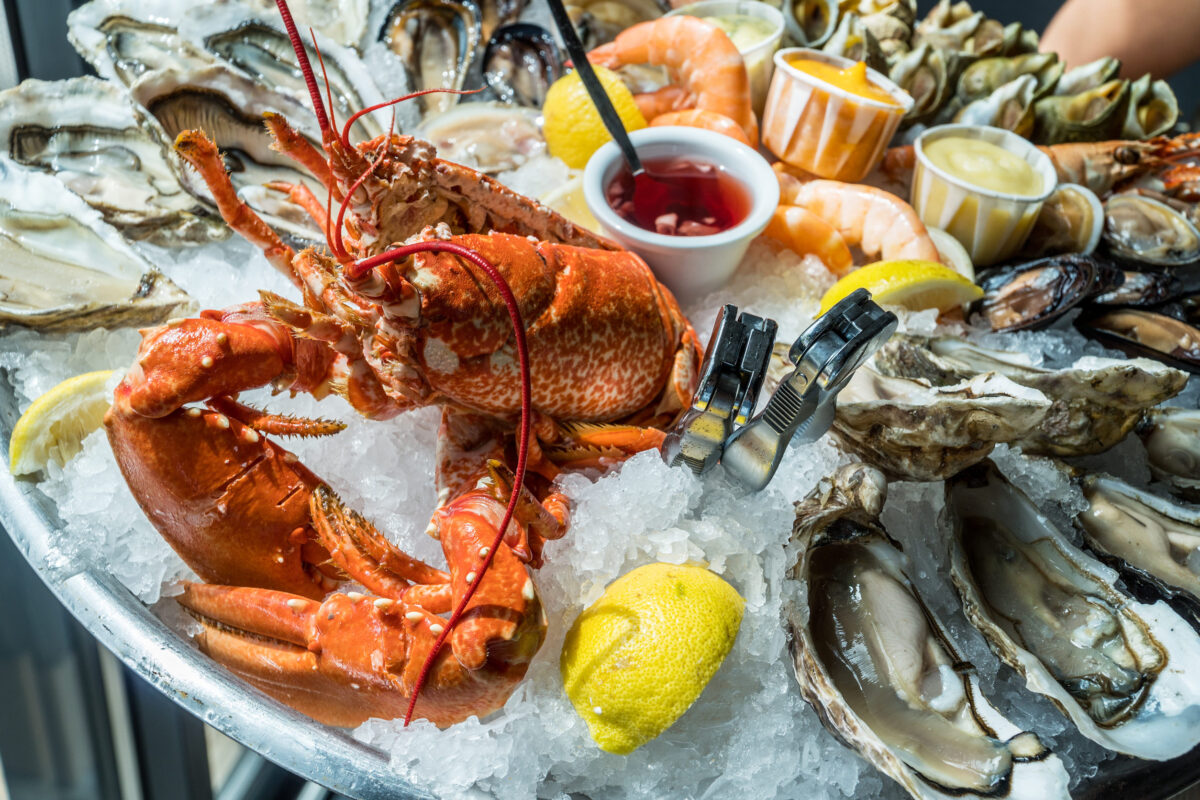
Some steakhouses offer excellent oysters, lobster, fish, and raw-bar programs.
But chefs Jeremy Shigekane and Dennis Littley have cautioned against automatically ordering seafood at restaurants whose kitchens are primarily designed around beef.
The point isn’t that steakhouse fish is secretly terrible. It’s that restaurants often do best what they specialize in. If the place clearly takes its seafood program seriously, great. If salmon feels like an afterthought buried at the bottom of the menu, you may be better off sticking with the house specialty.
Steak Buried Under a Mystery Sauce
Sauce and steak are not enemies. Peppercorn sauce, béarnaise, chimichurri, mushroom sauce, and bordelaise can all be fantastic.
The potential red flag is a steak that arrives completely smothered before you’ve even had a chance to see or taste the meat.
Chef Rocco Carulli has suggested that an overly heavy sauce can sometimes disguise an underwhelming steak or imperfect preparation.
That doesn’t mean you should avoid steak sauces. The real issue is when the sauce seems to be doing more work than the steak itself.
The Daily Special You Order Without Asking Questions
Daily specials can be fantastic. They can showcase seasonal ingredients, fresh deliveries, or something the chef genuinely wants to cook.
But chef Alberto Morreale has noted that some restaurants may also use specials to move ingredients more quickly.
So don’t automatically avoid the special. Ask about it.
Find out what came in fresh, what’s seasonal, or why the dish is being featured. A server’s answer can help you figure out whether you’ve found tonight’s hidden gem or simply tonight’s inventory solution.
A Gigantic Tomahawk Just for Yourself
The tomahawk steak is spectacular. It is also enormous.
Chef Jeremy Shigekane has said he avoids them because they’re simply too much food for him, while chef Andy Knudson has highlighted the food waste that can result from ordering oversized steakhouse portions.
Tomahawks make much more sense as a shared centerpiece. Split one, add a couple of sides, and suddenly the whole thing feels less like a competitive eating event and more like an actual dinner.
Large-format steaks can absolutely be worthwhile. The trick is ordering the right size for the right number of people.
Sirloin When You’re Looking for a Splurge
Sirloin is not a bad steak. In fact, if you prefer leaner beef or want a more affordable cut, it can be a smart order.
But chef Rocco Carulli has argued that it may not provide the rich, marbled experience many diners expect when they decide to splurge at a steakhouse.
If this is your big steak night, compare it with the ribeye or strip before automatically choosing sirloin.
Sometimes the cheaper option is exactly what you want. Just don’t expect it to eat like the fattiest, most indulgent cut on the menu.
Steak Tartare Somewhere You Don’t Fully Trust
Steak tartare can be excellent, but raw beef naturally requires confidence in a restaurant’s sourcing, storage, and handling.
Chef and food writer Jessica Randhawa has said she personally avoids tartare.
That shouldn’t be taken as evidence that tartare is unsafe everywhere. A better rule is to reserve raw-beef dishes for restaurants whose standards you genuinely trust.
If you already doubt the place, tartare probably isn’t the dish to test your luck with.
Chicken When Steak Is Clearly the Main Event
Sometimes someone ends up at a steakhouse even though they don’t want steak. Fair enough.
Still, chef Ryan Ososky has said he generally avoids ordering chicken at restaurants because it is often overcooked.
At a steak-focused restaurant, there’s also a question of value. If the kitchen’s reputation is built around beef, ordering the backup chicken entrée may not be the most exciting way to experience what the restaurant does best.
That doesn’t make steakhouse chicken automatically bad. It simply means it may not be the menu’s strongest play.
A Forgettable Dessert Just Because It’s There
After a huge steak, potatoes, bread, and maybe creamed spinach, dessert can feel less like a craving and more like a personal challenge.
Chef Jacoby Ponder has said he often prefers leaving a restaurant and visiting a bakery or ice-cream shop for something more distinctive.
That doesn’t mean you should skip a steakhouse’s famous cheesecake, signature soufflé, or house specialty.
But if dessert looks generic and there’s a brilliant pastry shop nearby, saving room may be the smarter finale.
Ultimately, chefs’ steakhouse “rules” are better treated as shopping advice than commandments. Order what you enjoy, but when a meal is expensive, knowing where your money makes the biggest difference can help you leave feeling satisfied rather than wondering why you paid premium prices for the least exciting thing on the menu.
Related: 5 Little-Known Portuguese Desserts to Try On