9 American Foods That Can Surprise Travelers When They Visit Other Countries
Traveling abroad can reveal how strongly food habits depend on culture. A meal that feels completely ordinary in the United States may be prepared differently, served at another time, or difficult to find elsewhere.
That doesn’t mean one country’s approach is better. Different culinary traditions develop around local ingredients, historical influences, and everyday routines. These nine American food habits and dishes can surprise travelers when they compare them with experiences in other countries.

1. Large Restaurant Portions
American restaurants are sometimes associated with generous serving sizes, particularly at certain casual dining chains. Visitors may notice large plates, substantial side dishes, and opportunities to take leftovers home.
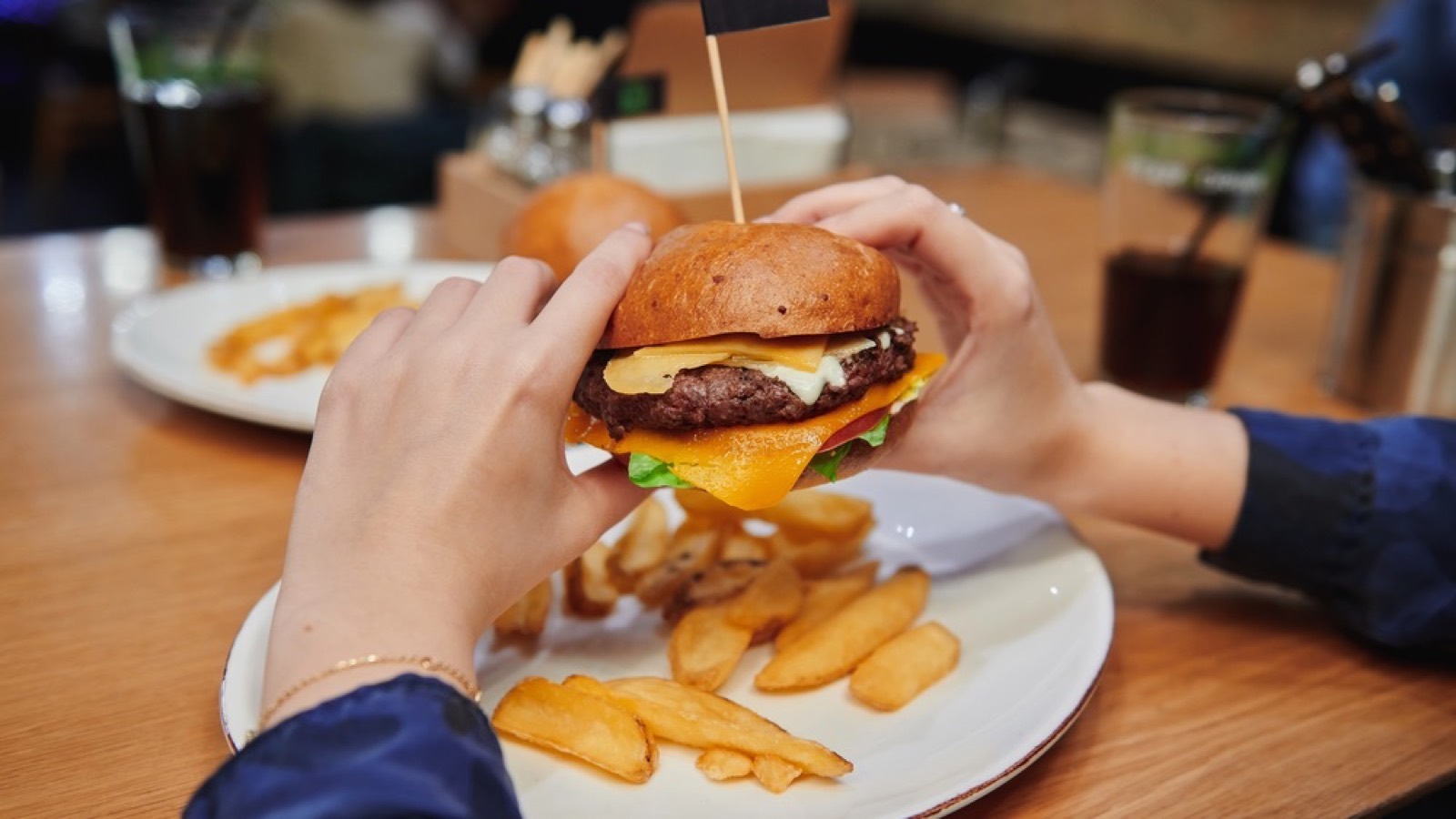
Portions vary considerably between restaurants and regions, so the pattern isn’t universal. Other countries also have establishments that serve large quantities.
Travelers may encounter smaller portions abroad, particularly when meals involve several courses. The dining experience can feel different even when the total amount of food is similar. Understanding local serving styles helps avoid ordering too much.
2. Free Refills on Soft Drinks
Free soda refills are familiar at many American casual restaurants and fast-food establishments. Customers may receive additional drinks without paying separately.
The practice is less common in some countries, where each beverage is charged individually. Travelers accustomed to free refills may be surprised by the difference.
Restaurant policies vary, even within the same country. Checking the menu or asking staff helps avoid assumptions. The distinction reflects business practices rather than a universal cultural rule.
3. Sweet Breakfast Foods
American breakfasts often feature pancakes, waffles, syrup, muffins, and sweetened cereals. These foods are familiar options in diners and home kitchens.
Other countries may emphasize savory breakfasts containing bread, cheese, vegetables, eggs, beans, or fish. Sweet foods still exist, but the balance can differ.
Travelers sometimes discover that a familiar breakfast combination is considered unusual elsewhere. Trying the local morning meal can be an enjoyable part of the experience.
There is no single standard breakfast shared across an entire country. Regional and household preferences remain important.
4. Peanut Butter and Jelly Sandwiches
Peanut butter and jelly sandwiches are strongly associated with American childhood. The combination is familiar in school lunches and quick home meals.
Peanut butter is available in many countries, but the sandwich may not have the same cultural prominence. Some places favor different spreads, breads, or breakfast combinations.
Travelers may discover that familiar American peanut butter brands are expensive imports. Local alternatives may offer different flavors and textures. The classic American lunchbox sandwich illustrates how a simple food can become closely associated with a particular country’s childhood memories.
5. Ranch Dressing
Ranch dressing is familiar in American supermarkets and restaurants. It appears on salads and is often used as a dip for vegetables, chicken, and other foods.
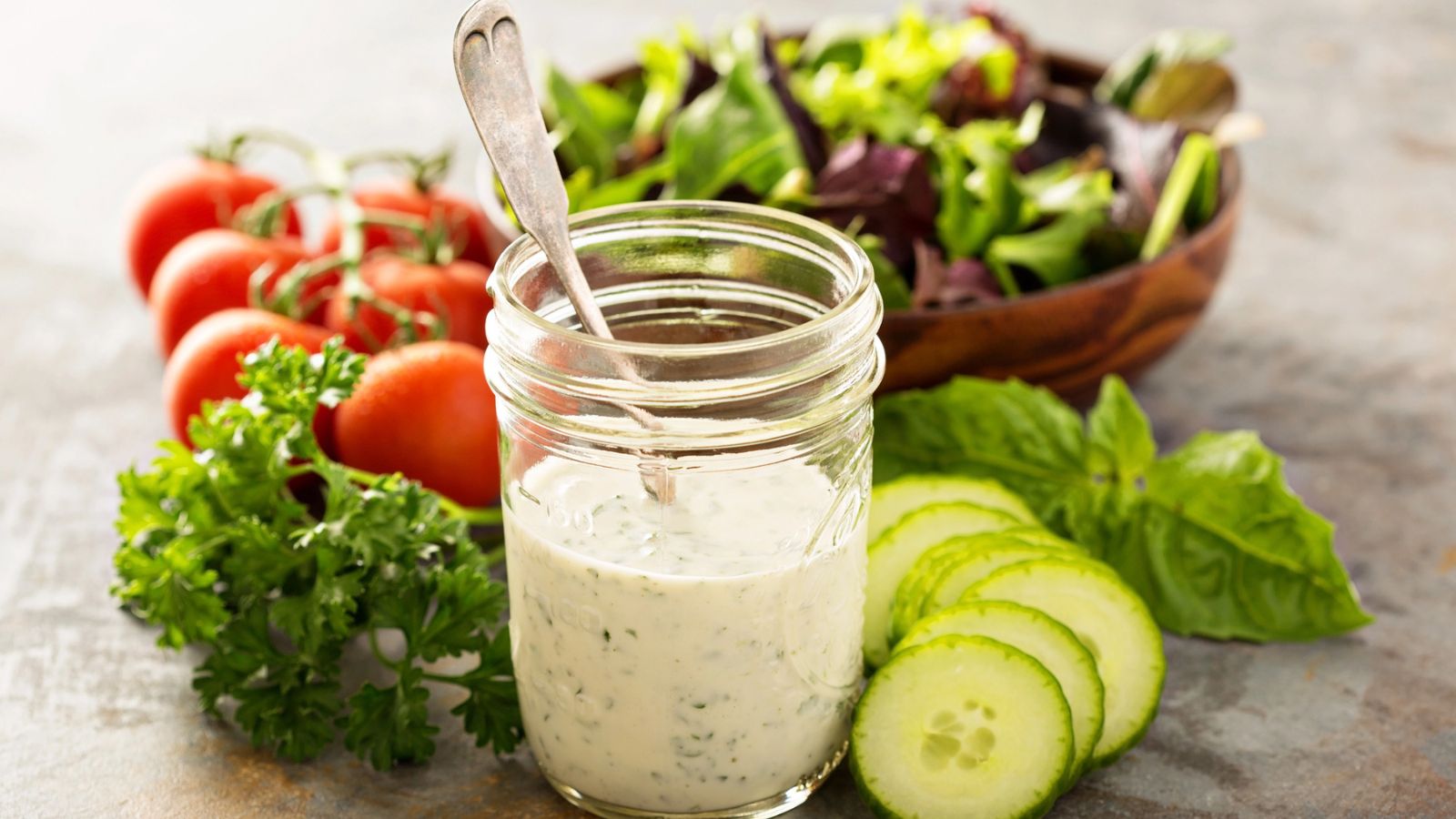
Its availability varies abroad. Some countries offer imported products, while others emphasize different dressings and sauces.
Travelers who expect ranch dressing with certain meals may discover that it isn’t a standard option. Local condiments can provide interesting alternatives. Trying regional sauces can also reveal flavors that are less familiar in American restaurants.
6. Root Beer
Root beer has a distinctive flavor associated with herbs, spices, and other ingredients. It is particularly recognizable in the United States and parts of North America.
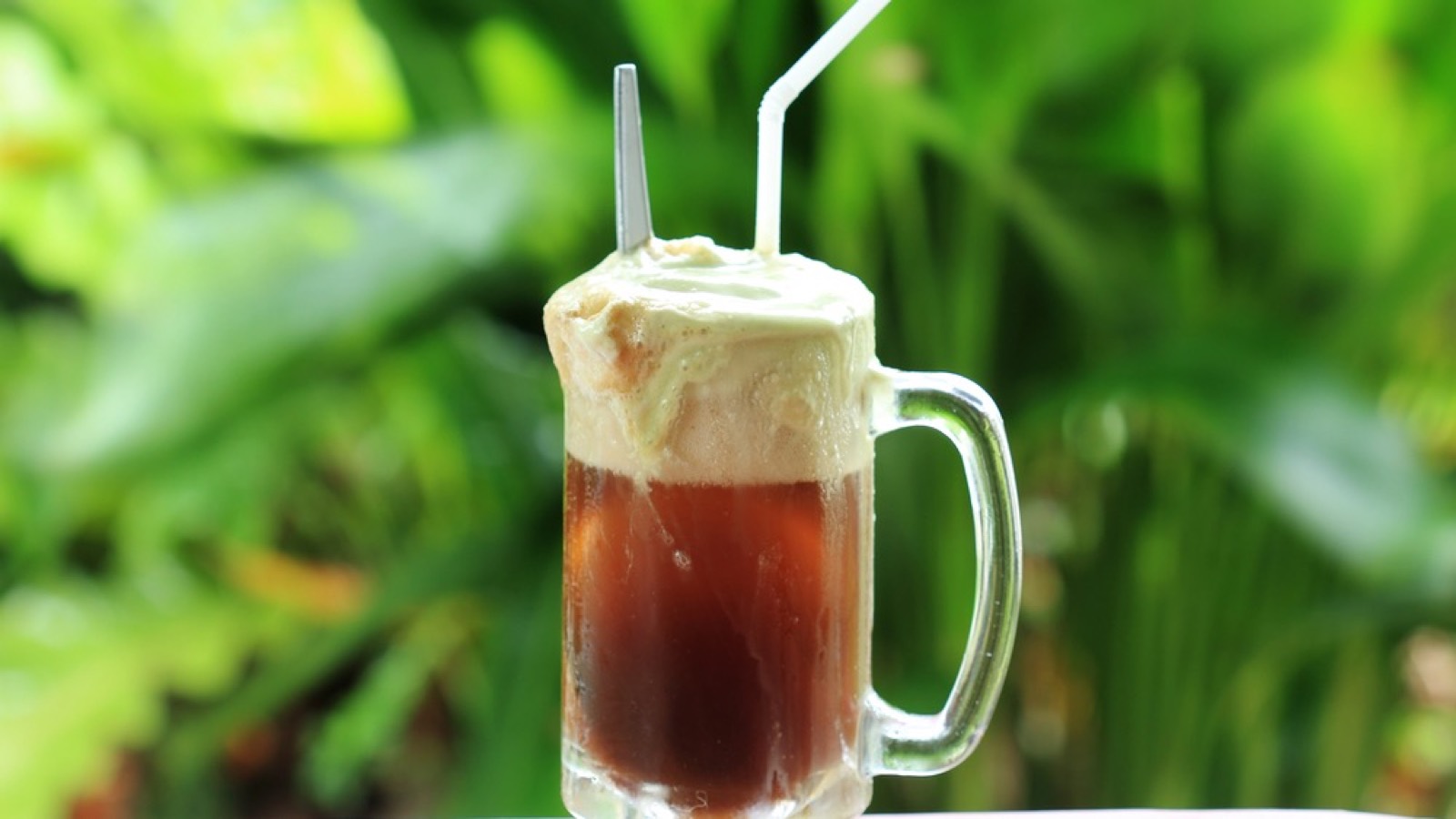
Some international visitors find the taste unusual because it reminds them of medicinal or herbal products. American travelers may also discover that root beer isn’t widely available in other countries.
The difference demonstrates how repeated exposure shapes taste preferences. A beverage that feels nostalgic to one person may seem unfamiliar to another. Root beer remains part of American soda culture despite not having universal appeal.
7. Sweet Potato Casserole With Marshmallows
Sweet potato casserole topped with marshmallows is strongly associated with American holiday meals. The combination is particularly familiar at Thanksgiving.
Travelers from other countries may find the idea surprising because sweet potatoes are frequently prepared as savory dishes. The addition of marshmallows makes the casserole resemble dessert.
American families also disagree about the best preparation. Some prefer pecans, spices, or a less sweet topping. The dish illustrates how holiday traditions can create unusual combinations that become familiar through repetition.
8. Ice in Restaurant Drinks
American restaurants often serve soft drinks and water with generous amounts of ice. In some countries, beverages may arrive with little or no ice unless requested.
The difference can surprise travelers accustomed to a particular serving temperature. It may also influence perceptions of portion size.
Ice practices vary by establishment and destination. In areas where water safety is a concern, travelers should also consider whether ice is prepared from safe water. As with other dining customs, asking politely is usually better than assuming every restaurant follows the same rules.
9. Dining at Different Times
Meal schedules vary considerably between countries. Some places serve dinner relatively early, while others have strong traditions of eating later in the evening.
American travelers may arrive at a restaurant and discover that the kitchen isn’t open yet. Alternatively, they may find restaurants closing earlier than expected.
Researching local dining hours can make travel planning easier. It also helps travelers avoid choosing accommodations or activities that conflict with meal times. A guide to travel planning mistakes discusses how preparation can prevent avoidable frustrations.
What Food Differences Teach Travelers
Food traditions reflect geography, migration, agriculture, history, and changing lifestyles. What feels ordinary in one country can be unfamiliar somewhere else.
Travelers benefit from approaching differences with curiosity rather than judgment. A local meal doesn’t need to resemble an American favorite to be enjoyable.
The most useful preparation is learning a little about common dishes, meal times, and dining expectations before arriving. That knowledge can make restaurants easier to navigate.
Travel also provides an opportunity to reconsider familiar habits. After trying something new, a traveler may return home with a recipe or ingredient worth adding to everyday cooking.
Food can reveal a great deal about how people live. Exploring those differences is one of the simplest ways to make travel more meaningful.