Phoenix Horror: Man Allegedly Tied to Wheelchair With Plastic Bags and Left in 105°F Heat as ‘Friends’ Claimed He Was ‘Fine’ Police Say
Some deaths shock us because of the violence. Others shock us because of their helplessness. The case of Aaron Goodyke, a 33-year-old Phoenix-area man who police say was found dead while tied to a wheelchair near a canal in extreme heat, carries both. It is not just the image of a man left outside in temperatures hovering around 105 degrees. It is the deeper question beneath it: how did someone already medically vulnerable end up restrained, abandoned, and allegedly dismissed as “fine” when he was anything but?
Phoenix police have arrested Hector Corrales, 41, in connection with Goodyke’s death. Local reporting says Corrales was booked on suspicion of kidnapping and first-degree murder after officers found Goodyke dead on Thursday, June 25, near 24th Street and Fawn Drive, just south of Baseline Road. Police said Goodyke’s hands and chest were tied to the wheelchair with plastic bags. Investigators also believe a second man may have been involved, though that person had not been publicly identified or confirmed to have been arrested in the early reports.
A disturbing scene near a south Phoenix canal
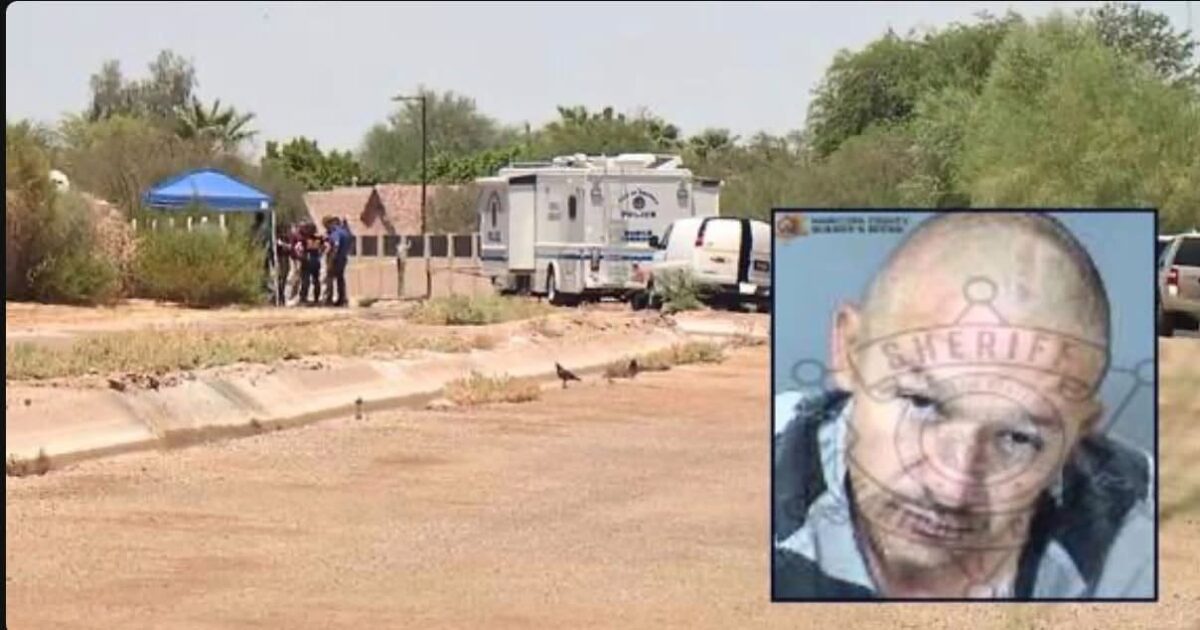
Police were called to the canal area after reports of trouble. When officers arrived, they found Goodyke unresponsive in his wheelchair. According to reports citing police documents, his body showed the visible signs of restraint: his hands and chest were tied to the wheelchair with what appeared to be plastic bags. PEOPLE reported that police also found “multiple footprints and areas of clear recent disturbance” around the body, based on local reporting from 12 News.
The location matters. This was not a cool evening in a shaded room. This was Phoenix in late June, where heat can become a weapon even without a hand being raised. AZFamily reported that witnesses told investigators the temperature was around 105 degrees when they saw Goodyke earlier that evening, apparently tied up and mumbling. Those witnesses later told their daughter, who went to check the area and found him dead.
Police say Goodyke was diabetic and had recently lost part of his leg.
The vulnerability at the center of this case is hard to ignore. Goodyke’s mother told investigators that her son was diabetic and had one of his legs amputated earlier in 2026. Law&Crime reported that an arrest affidavit described him as a diabetic amputee whose left leg was missing below the knee. That detail turns the case from disturbing to almost unbearable, because this was not someone who could easily protect himself, walk away, or seek help once restrained.
The CDC warns that people with diabetes can be more vulnerable in hot weather because certain diabetes complications may affect blood vessels, nerves, sweating, hydration, and how the body uses insulin. In very high heat, those risks become more serious, especially for someone unable to move freely or reach water, shade, or air conditioning.
What police say happened before Goodyke was found dead
According to police documents cited by AZFamily, Goodyke had been staying with a woman later identified as Corrales’ mother. She reportedly told police that Goodyke’s health worsened during the week because he refused to eat or drink. She also said she, Corrales, and another man tried to take Goodyke to the hospital, but that he changed his mind and became combative.
That explanation may become part of the legal fight ahead. But even if a sick person refuses care or becomes difficult to manage, that does not explain why police say he was tied to a wheelchair and wheeled toward a canal. According to Law&Crime, the arrest affidavit alleged that the unidentified man placed Goodyke in the wheelchair and tied his hands with plastic bags. The affidavit also said the video showed Corrales and another man forcefully restraining Goodyke’s arms and hands.
The footage, according to police documents cited by multiple outlets, allegedly showed the wheelchair falling backward at one point, causing Goodyke to appear to hit the back of his head against the house. Investigators said one of the men then wheeled him toward the canal and later returned without him.
The word ‘fine’ now sits at the center of public outrage.
One of the most chilling details reported in the affidavit is what allegedly happened after Goodyke was taken away. Law&Crime reported that Corrales’ mother asked the unidentified man where Goodyke was after the man returned to the home. According to the affidavit, the man allegedly said Goodyke “was fine.”
That word lands heavily because police say Goodyke was later found dead. “Fine” is what people say when they want questions to stop. “Fine” is what people say when they do not want to look closer. In this case, according to police, a medically fragile man was not fine. He was restrained, exposed to extreme heat, and left in a place where his chances of survival would have been terrifyingly thin.
Extreme heat in Phoenix is not background noise.
We should not treat the heat in this case as a minor detail. In Phoenix, heat is an active danger. The World Health Organization notes that heat extremes can worsen risks tied to chronic conditions, including diabetes-related conditions, and that heat-related deaths and hospitalizations can happen rapidly during and after heat exposure.
Maricopa County tracks heat-related illness and deaths through a public surveillance system, with data updated during the heat season from May through October. The county says its dashboard includes confirmed deaths, deaths under investigation, and heat-related hospital admissions, showing how seriously local officials treat extreme heat as a public health threat.
That context is important because a person restrained outside in that kind of weather is not merely “left outside.” A person is left inside a dangerous environment with no easy exit. For someone with diabetes, an amputation, and declining health, the risk becomes even more severe.
Corrales declined to speak with investigators, police say
AZFamily reported that Corrales was arrested Saturday at his mother’s home on a prior felony warrant for a parole violation. Police said he declined to participate in an interview with investigators. Officers collected his DNA and fingerprints before booking him into jail on suspicion of kidnapping and first-degree murder.
At this stage, the case remains an allegation, and Corrales is presumed innocent unless proven guilty in court. That matters. But the facts described by police documents are serious: a restrained man, a wheelchair, plastic bags, extreme heat, reported video evidence, witness accounts, and a second person investigators believe may have been involved.
Why does this case feel larger than one arrest?
The horror of this case is not only in the alleged act itself. It is in the collapse of care. Goodyke was reportedly sick. He was reportedly difficult to help. He reportedly needed medical attention. But a vulnerable person becoming hard to manage is exactly when responsibility becomes more important, not less.
We are looking at a case that raises painful questions about disability, informal caregiving, medical neglect, and what happens when people without proper support try to handle a crisis they are not equipped to manage. None of that excuses what police allege happened. It makes the case more disturbing because it suggests there were moments when different choices could have been made: call emergency services, wait for trained responders, keep him shaded, keep him hydrated, do anything except restrain him and leave him by a canal.
What happens next
The investigation remains active, and early reporting left several major questions unanswered. Police have not publicly identified the second man they believe may have been involved. It is also unclear from the available reports whether prosecutors have formally filed all charges or whether additional charges could follow. The medical examiner’s findings may also become central to the case, especially given the reported heat exposure, Goodyke’s health conditions, and the alleged fall involving the wheelchair.
For now, the public record shows this: Aaron Goodyke, 33, was found dead in Phoenix after police say he was tied to a wheelchair with plastic bags and left outside in extreme heat. Hector Corrales, 41, has been arrested in connection with the death. Investigators believe another man may have been involved.
And beyond the legal language lies the human reality. A man who needed help was found dead. A wheelchair, which should have represented mobility and support, became part of the restraint police described. The Phoenix heat, already deadly for people with nowhere to cool down, became the setting for a death that investigators are now treating as a homicide case.
We should follow the court process carefully. But we should not lose sight of the simplest truth in this story: a vulnerable man was left where no vulnerable person should ever be left, tied down, exposed, and unable to save himself.