8 Small Cooking Changes That Can Make Everyday Meals Taste Better
Preparing a satisfying meal doesn’t always require expensive ingredients or complicated recipes. Sometimes, small changes in heat, seasoning, timing, and texture can produce a noticeable improvement.
Experienced home cooks often develop these habits through repetition. They learn when to add ingredients, how to avoid soggy food, and why a few minutes of preparation matter. These eight techniques are useful for anyone who wants to improve everyday cooking without purchasing additional equipment.
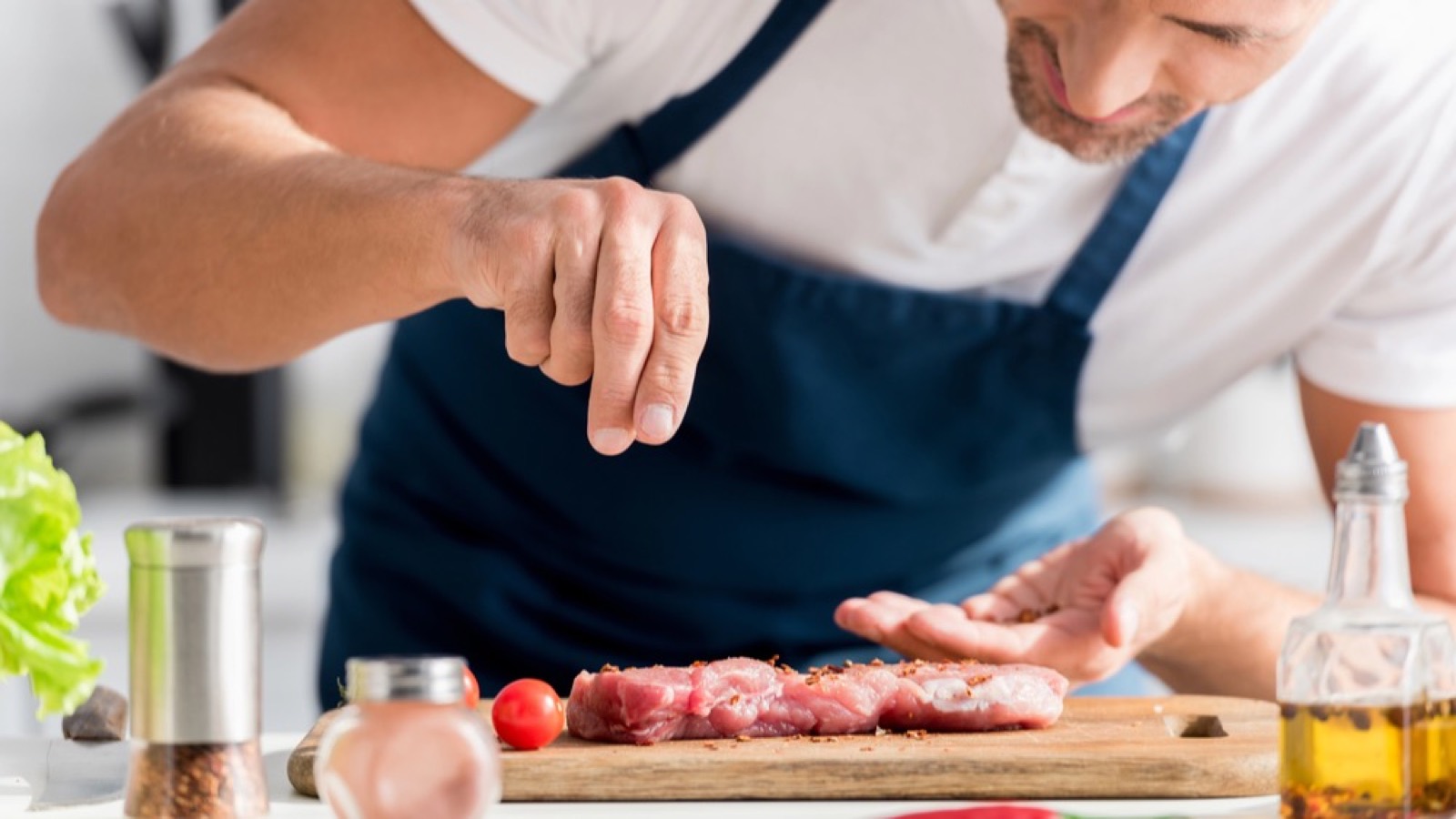
1. Give Ingredients Enough Space
Crowding a pan can prevent ingredients from browning properly. When too much food releases moisture at once, the pan may produce steam rather than the desired searing effect.
Mushrooms, potatoes, and meat are common examples. Cooking them in smaller batches can help create better texture.
A sufficiently heated pan also matters, although the appropriate temperature depends on the ingredient. Excessive heat can burn food before it cooks properly. The goal is to control moisture and heat rather than simply increase the temperature.
2. Season Gradually
Adding all the seasoning at the beginning can make a dish difficult to adjust. Some ingredients, including packaged sauces and broth, already contain salt.
Seasoning in stages allows flavors to develop while giving the cook opportunities to taste. Small additions can be more effective than one large adjustment.
Acidity also affects flavor. A little lemon juice or vinegar may improve certain dishes, although it isn’t suitable for every recipe. Learning to balance seasoning helps cooks become more flexible.
3. Use the Right Cooking Method for Vegetables
Vegetables respond differently to cooking methods. Roasting can develop browning and sweetness, while steaming may preserve a firmer texture.
Spinach cooks quickly, but carrots and potatoes generally require more time. Using the same method for every vegetable may produce disappointing results.
Experimenting with preparation can also change someone’s opinion of an ingredient. A person who dislikes boiled vegetables may enjoy roasted versions. The method should suit the vegetable and the desired finished dish.
4. Let Certain Foods Rest
Some cooked foods benefit from a short resting period before serving. Meat, for example, can continue changing in temperature after being removed from the heat.
Resting may also make cutting and serving easier. The appropriate period depends on the size and type of food.
Food safety remains important. The USDA provides minimum internal temperatures and resting requirements for various meats. Resting doesn’t replace checking temperature with a thermometer.
5. Develop Flavor Before Adding Liquid
Browning onions, mushrooms, or meat can create flavors that become part of a sauce or stew. Adding liquid too early may prevent those ingredients from developing the same surface color.
The method depends on controlling heat and avoiding burning. Properly browned ingredients taste different from scorched ones.
A small amount of liquid can then loosen flavorful browned particles from a pan. This technique is useful when making sauces and gravies. Understanding the sequence of cooking steps can improve flavor without adding expensive ingredients.
6. Avoid Overcooking Pasta
Pasta can become overly soft when cooked much longer than necessary. Different shapes and thicknesses require different cooking times.
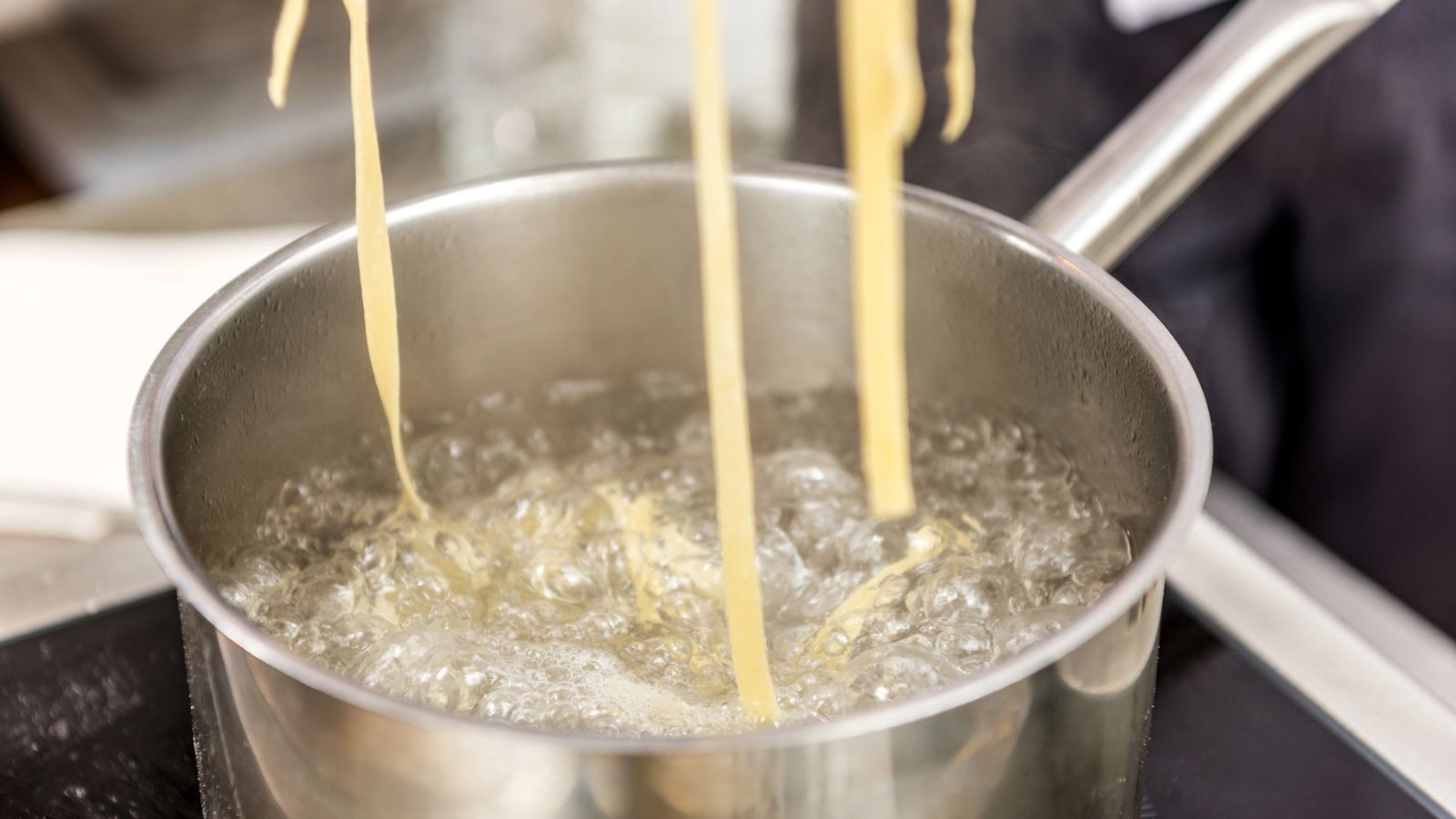
Checking the package instructions provides a starting point. Tasting a piece near the end of cooking helps determine the preferred texture.
Pasta that will finish cooking in sauce may need to be removed from boiling water slightly earlier. The method allows it to absorb some sauce while maintaining structure. The ideal consistency depends on the dish and personal preference.
7. Store Ingredients Properly
Cooking quality begins before the stove is turned on. Ingredients that have lost freshness may not produce the same flavor or texture as properly stored products.
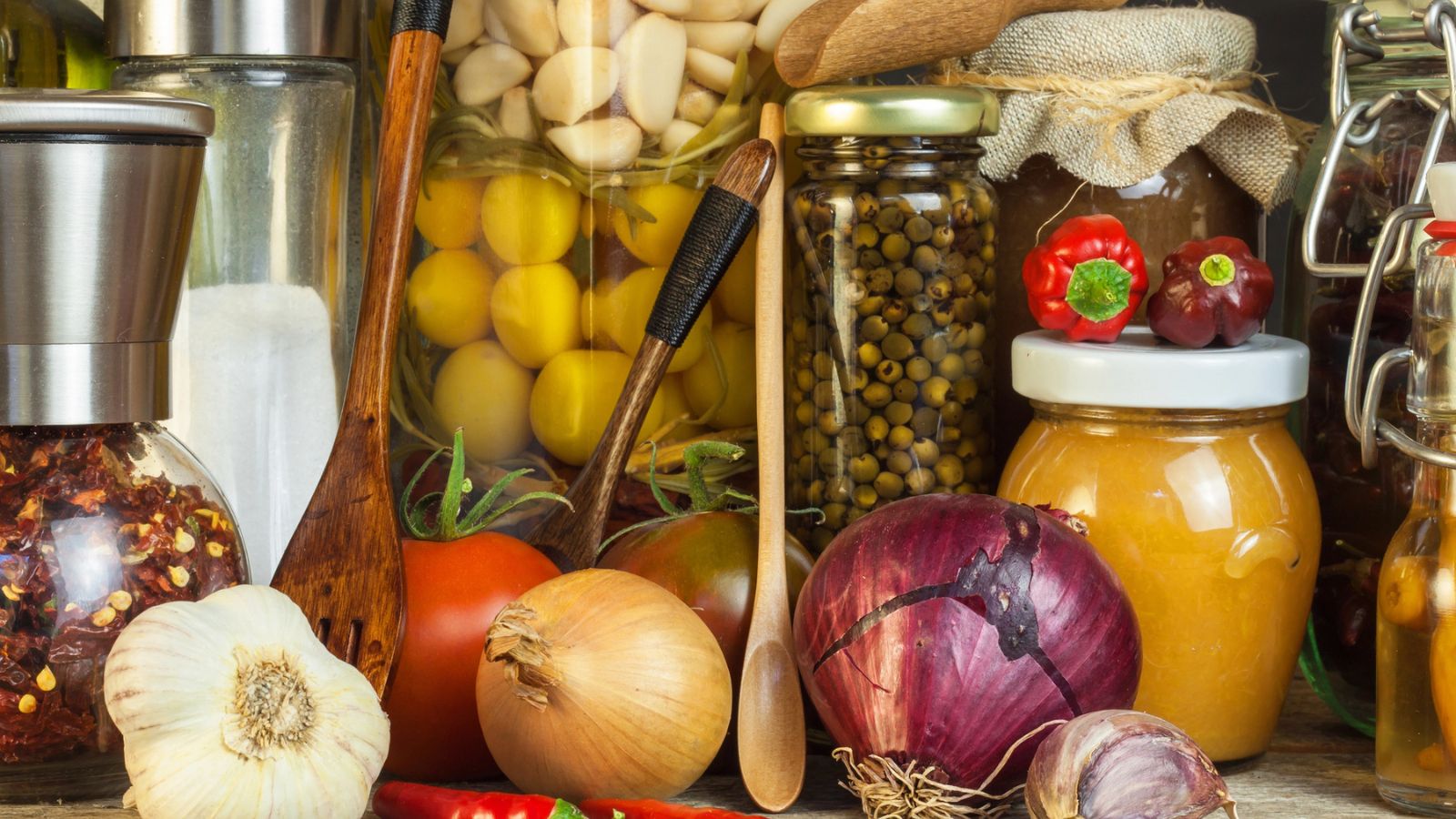
Herbs, oils, vegetables, and spices have different storage requirements. Understanding those differences can reduce waste.
Some traditional kitchen tools remain useful because they support simple preparation methods. Modern storage equipment offers additional advantages when used correctly. Good organization also helps cooks find ingredients before something burns.
8. Finish With the Right Texture
Texture contributes to how satisfying food feels. A creamy soup may benefit from a crunchy topping, while a soft casserole can become more appealing with a browned surface.
Fresh herbs, toasted nuts, breadcrumbs, and other ingredients can provide contrast. The appropriate choice depends on the dish.
Not every meal needs extra toppings. Sometimes, avoiding overcooking is enough to preserve the desired texture. Paying attention to softness, crispness, and moisture can improve meals as much as seasoning.
Why Small Techniques Matter
Cooking depends on understanding how ingredients respond to heat, moisture, and preparation. Recipes provide instructions, but practical experience helps explain why those steps matter.
A cook doesn’t need to master every technique immediately. Changing one habit at a time creates opportunities to observe the results.
Some improvements are easy to notice. Vegetables may become more appealing when roasted correctly, while sauces can taste better with balanced seasoning.
The most useful approach is to remain curious. When a meal disappoints you, consider which preparation step affected the result.
Better everyday cooking often comes from attention rather than complexity. Ordinary ingredients can produce satisfying food when handled with care.