8 Grocery Store Pricing Habits That Can Make Shoppers Spend More Than Planned
Most of us walk into the grocery store with a list and a rough idea of what we’ll spend. Then we reach the checkout, look at the total, and wonder how it got so high. A few extra items here and there, a “deal” that seemed too good to pass up, and suddenly the budget is gone.
That isn’t always an accident. Grocery stores study shopping behavior closely, and many of their pricing and display habits are designed to encourage shoppers to buy more. None of it is illegal, but knowing how it works can help you stay in control. Here are eight grocery store pricing habits that can make shoppers spend more than planned, and how to shop smarter around them.
1. Multi-Buy Promotions
Signs that say “10 for $10” or “Buy 2, Get 1 Free” make shoppers feel like they need to buy several items to get the deal. In many stores, though, you can buy just one item at the discounted price. The sign simply encourages people to buy more than they need.
Before loading up, read the fine print on the shelf tag or ask a store employee. If you only need one or two, you may still get the same price per item. Buying more than you can use before it expires is not a bargain.
2. Loyalty Card Pricing
Many stores now show two prices: one for loyalty members and one for everyone else. The member price may look like a big discount, which encourages shoppers to sign up and buy more. Critics say some regular prices are set high mainly to make the member price look like a better deal.

Loyalty programs can save money, but they also track your shopping habits. Stores use that information to send personalized offers that encourage more spending. It’s worth comparing prices across stores rather than assuming the member deal is always the best.
3. Shrinking Package Sizes
Shrinkflation is when a product’s package gets smaller while the price stays the same or rises. A cereal box may lose an ounce, or a bag of chips may contain fewer chips. Many shoppers don’t notice because the package looks nearly the same.
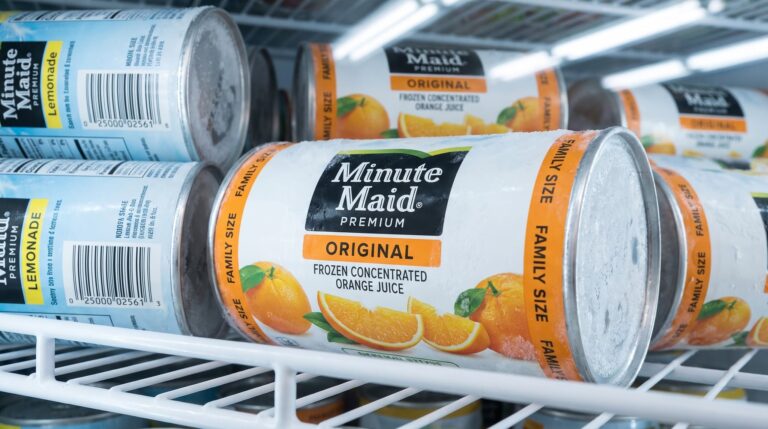
The Bureau of Labor Statistics accounts for these changes when measuring inflation, because less product for the same price is effectively a price increase. Even store brands can be affected, like the oatmeal box shoppers say quietly lost two packets. Checking the unit price is the best way to see what you are really paying.
4. Eye-Level Shelf Placement
Products placed at eye level are often the most expensive options. Companies may pay for better shelf placement, and shoppers tend to grab what they see first. Cheaper store brands are often placed on higher or lower shelves.
Taking a moment to look up and down the aisle can lead to big savings. Comparing similar items can help you find better deals. It’s a small habit that can make a noticeable difference in your grocery bill.
Children’s cereals are often placed on lower shelves, right at a child’s eye level. That makes it easy for kids to spot and ask for them. Parents who know this trick can steer their children toward other aisles or shop alone when possible.
5. End-Cap Displays
End caps are the displays at the ends of aisles. They often feature items that appear to be on sale. But not every item on an end cap is actually discounted.
Stores use end caps to draw attention to certain products, including new or seasonal items. Shoppers may assume they are getting a deal and add items to their cart without checking prices. Comparing the end-cap price with similar items in the aisle can help.
6. Precut and Prepared Produce
Precut fruits and vegetables are convenient, but they usually cost much more than whole produce. A container of cut melon or chopped onions can cost several times more than buying them whole. Shoppers pay a premium for the convenience.
Buying whole fruits and vegetables and cutting them at home can save money. Precut produce also tends to spoil faster. For busy households, it may be worth it occasionally, but it’s important to know the cost.
7. Checkout Lane Snacks
Checkout lanes are filled with candy, snacks, drinks, and magazines. These items are placed there to encourage last-minute impulse purchases. Children waiting in line with parents often ask for treats.

Shoppers who are tired or hungry are more likely to give in. Being aware of this tactic can help you resist. Some stores now offer candy-free checkout lanes, which can be helpful for families with children.
Store layout also plays a role. Essentials like milk and eggs are often placed at the back of the store, so shoppers have to walk past many other products to reach them. Each aisle is another chance to add something that wasn’t on the list.
8. “Was” Prices and Sale Tags
Sale tags often show a “was” price next to the sale price. This makes the discount look bigger. Sometimes, the original price was only charged for a short time before the sale began.
It’s helpful to know the usual prices of items you buy regularly. Keeping track of prices can help you recognize true bargains. A sale isn’t a good deal unless the final price is actually lower than usual.
Some shoppers keep a small notebook or phone note of regular prices for the items they buy most. Over time, it becomes easy to spot a real deal. It’s the same idea Grandma used when she memorized the price of flour, eggs, and coffee.
How to Shop With More Confidence
Understanding how grocery stores price and display items can help you make smarter choices. Sticking to a list and comparing unit prices are two of the best ways to save money. Taking a few extra minutes in the store can lead to big savings.
New technology like electronic shelf labels may change how grocery prices are set in the future. Many shoppers also overpay without realizing it, as these overpriced products show. Which of these pricing habits have you noticed at your grocery store?