8 Forgotten Food Traditions That Reveal How American Families Once Saved Money
Long before budgeting apps and online coupons, American families had their own ways of making every penny count. Many of those habits were learned during the Great Depression and the rationing years of World War II. They were passed down from mother to daughter, and they shaped kitchens for generations.
Some of these traditions have faded, replaced by convenience foods and busier lives. Others are quietly making a comeback as grocery prices climb. Looking back at them shows how much creativity and hard work went into feeding a family. Here are eight forgotten food traditions that reveal how American families once saved money, and why some of them still make sense.
1. Saving Bacon Grease
In many homes, a can or jar of bacon grease sat right next to the stove. After frying bacon, the drippings were poured into the container to be used later. Grandma used them to fry eggs, season green beans, and make cornbread.
Bacon grease added rich flavor and meant less money spent on butter or shortening. Nothing went to waste. Today, many cooks have rediscovered the habit, though they often store the grease in the refrigerator to keep it fresh longer.
Some cooks kept two containers, one for bacon fat and one for other drippings. The bacon fat went into Southern dishes like green beans and cornbread, while beef drippings were saved for gravy. Each one had its own job in the kitchen.
2. Keeping a Stockpot Going
Many families kept a pot for making broth from bones, vegetable peels, and scraps. Chicken carcasses, beef bones, and onion skins were simmered for hours to make rich stock. That broth became the base for soups, gravies, and stews.
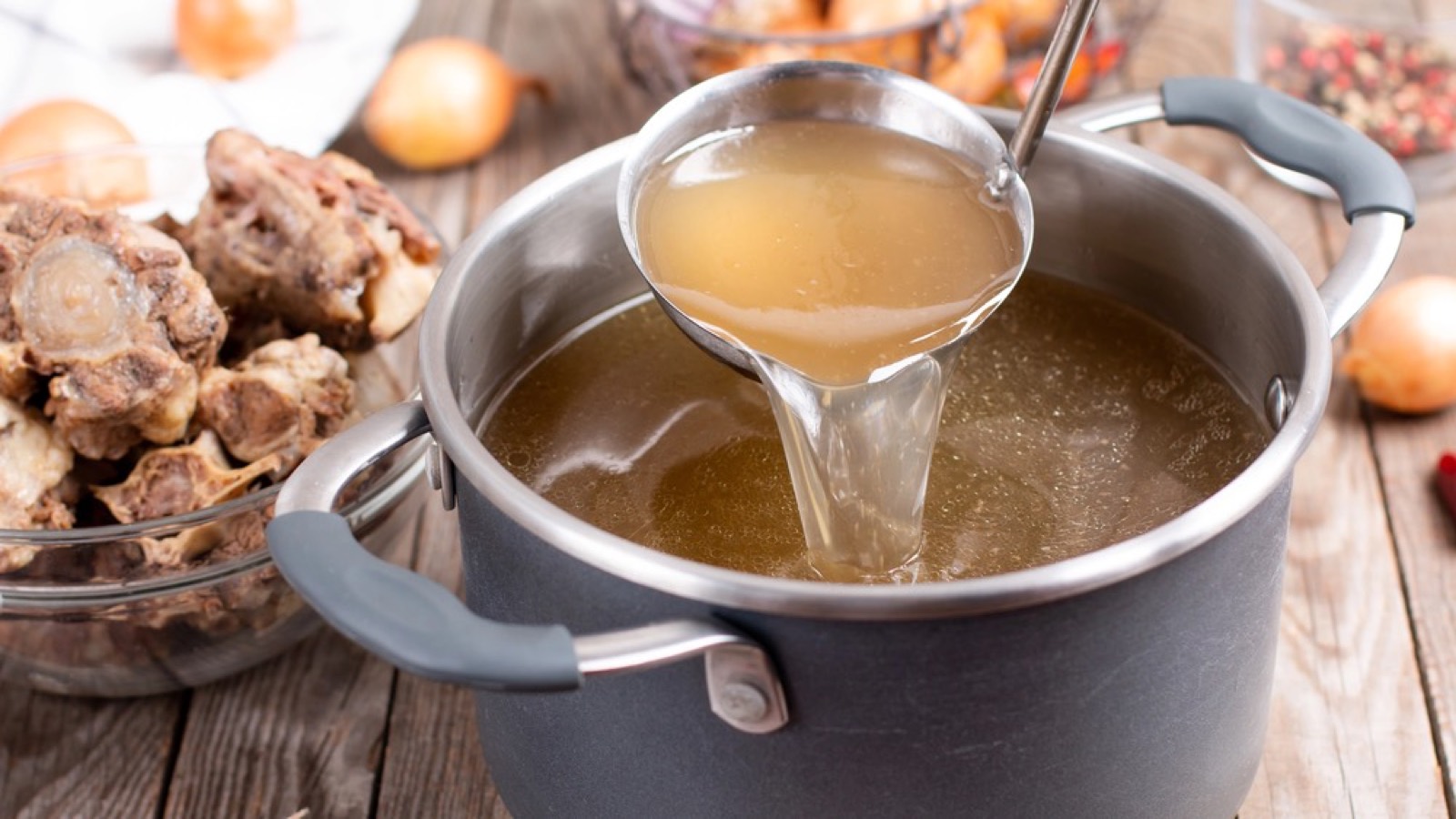
Making stock at home turned scraps into something valuable. It saved money on store-bought broth and added flavor to meals. Bone broth has become trendy in recent years, but for earlier generations it was simply good sense.
Many cooks kept a bag of scraps in the freezer, adding onion ends, carrot peels, and celery tops throughout the week. When the bag was full, it went into the pot with a few bones. The result was free broth made from food that would otherwise have been thrown away.
3. Turning Sunday Roast Into a Week of Meals
The Sunday roast was rarely just one meal. Leftover beef or pork became sandwiches on Monday, hash on Tuesday, and soup later in the week. Even the bones and drippings were put to use.
Planning meals around one large cut of meat stretched the budget. Families got several dinners from a single purchase. Many cooks still use this approach today with roasted chickens or large pork shoulders.
4. Growing Victory Gardens
During World War II, Americans were encouraged to grow their own vegetables in “victory gardens.” According to the National WWII Museum, millions of gardens produced a large share of the nation’s fresh vegetables during the war. Families grew tomatoes, beans, carrots, and lettuce in backyards and vacant lots.
These gardens saved money and helped with food shortages. Even after the war, many families kept growing vegetables. Home gardening has become popular again, especially among people looking to save on groceries.
5. Home Canning
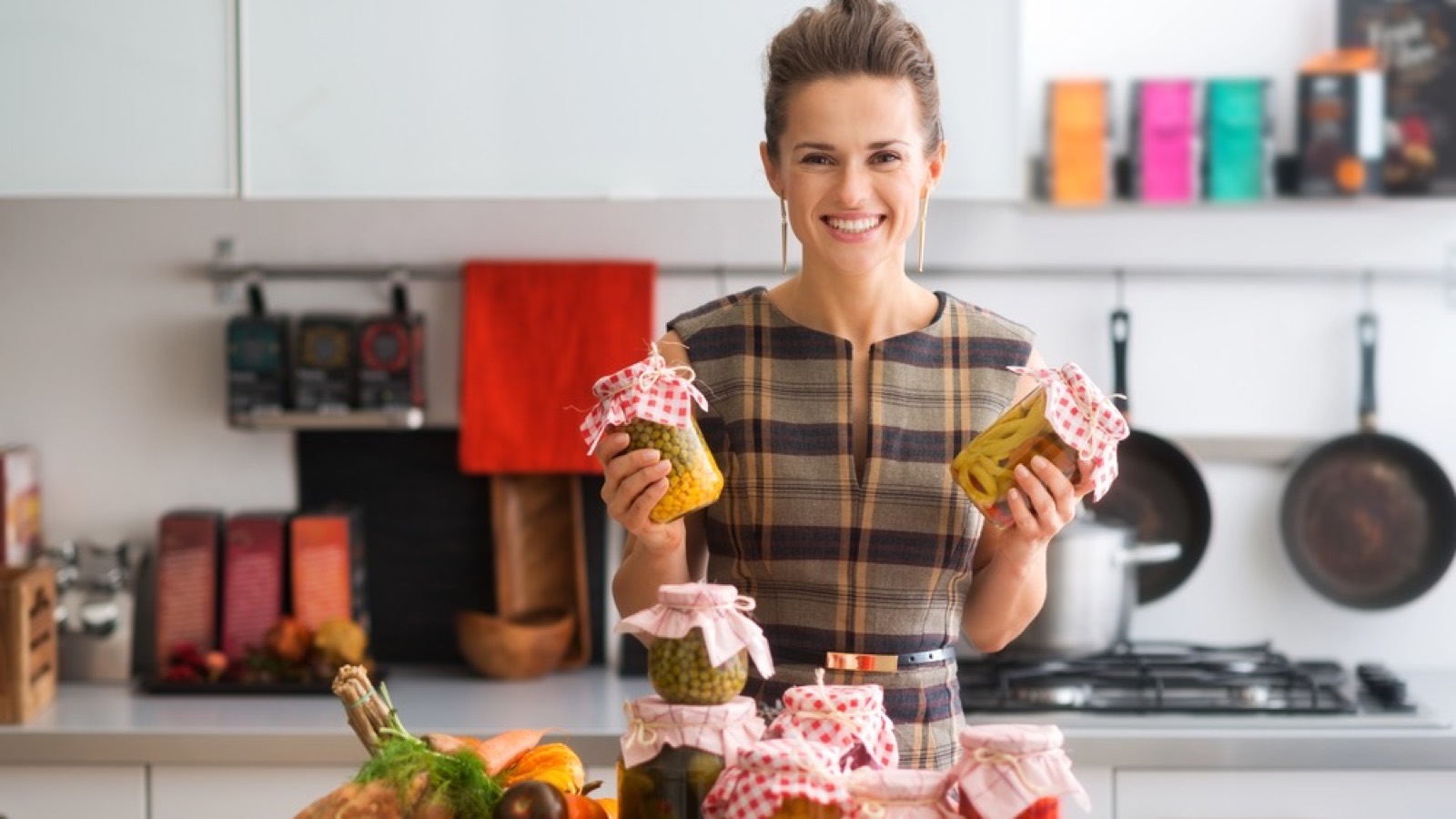
Canning was an important part of life in many households. In late summer, kitchens filled with steam as families preserved tomatoes, peaches, green beans, and pickles. Shelves of jars lasted through the winter.
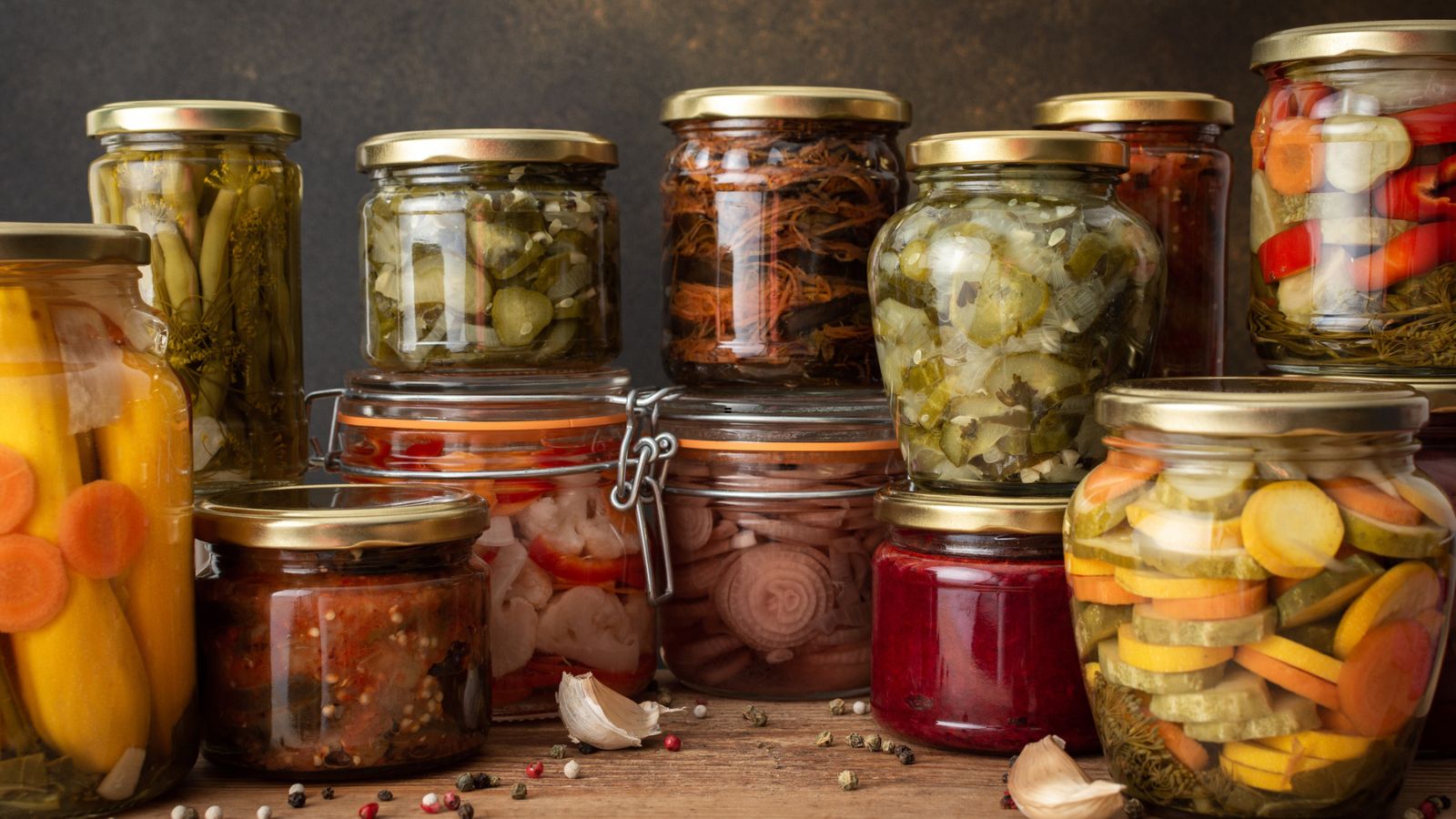
Canning allowed families to enjoy summer produce all year long. It also reduced waste from large harvests. The National Center for Home Food Preservation offers safe canning guidelines for anyone who wants to try it today.
Canning was often a social event as well. Mothers, daughters, and neighbors worked together, sharing jars, tools, and gossip. Many people still remember the sound of lids popping as the jars cooled on the kitchen counter.
6. Flour Sack Clothing
During the Depression, flour and feed came in cotton sacks. Manufacturers noticed that women were using the fabric to sew clothes, so they began printing the sacks with colorful patterns. Women made dresses, aprons, shirts, and quilts from them.
This tradition shows how resourceful families were. Choosing which sack to buy often depended on the pattern needed to finish a dress. Today, vintage flour sack fabrics are prized by collectors and quilters.
Some feed companies even printed instructions on the sacks to make the cotton easier to reuse. Women traded sacks with neighbors to collect enough of one pattern for a full dress. For many children of the era, a flour-sack dress or shirt was simply part of growing up.
7. Buying Day-Old Bread
Many towns had day-old bread stores or bakery outlets. Bread that hadn’t sold the day before was sold at a discount. Families bought it in bulk and froze it or used it for toast and sandwiches.
Day-old bread was perfect for bread pudding, stuffing, and French toast. Some bakery outlets still exist today, offering bargains to smart shoppers. It’s a simple way to save money without sacrificing quality.
Some families also bought dented cans or bruised produce at a discount. As long as cans were not bulging or badly damaged, the food inside was usually fine. These small savings added up over the course of a year.
8. Making Meals From Leftovers
Leftovers were rarely thrown away. Grandma turned extra vegetables into soup, leftover rice into pudding, and stale bread into croutons. Every bit of food was used.
This habit helped families get the most from every grocery dollar. Today, many people throw away large amounts of food. Reviving this tradition is one of the easiest ways to save money and reduce waste.
What Modern Families Can Learn
These traditions show that saving money often comes down to planning and creativity. Using every part of food and avoiding waste helped families survive tough times. Many of these habits still make sense today.
Grandma also kept many weekly rituals that have nearly disappeared from modern homes. Many housekeeping habits parents taught their children are worth keeping as well. Which of these money-saving traditions does your family still follow?