8 Everyday Foods That Can Help Make Meals More Balanced After 60
Eating well after 60 doesn’t have to mean fancy diets, expensive supplements, or giving up the foods you love. Yet many older adults find that their eating habits slowly change without them noticing. Appetites shrink, cooking for one feels like a chore, and meals become a slice of toast here and a bowl of cereal there.
As we age, the body needs fewer calories but just as many nutrients, and sometimes more. Protein, fiber, calcium, vitamin D, and vitamin B12 all become especially important. The good news is that many of these nutrients can be found in ordinary, affordable foods already sold in every grocery store. Here are eight everyday foods that can help make meals more balanced after 60.

1. Eggs
Eggs are inexpensive, easy to cook, and packed with high-quality protein. Protein helps maintain muscle strength, which naturally declines with age. Eggs also contain vitamin B12, vitamin D, and choline.
They can be scrambled, boiled, poached, or baked into casseroles. Eggs are soft and easy to chew, making them a good option for people with dental problems. A boiled egg also makes a convenient snack.
Eggs are also very versatile for people cooking for one. A single egg can be boiled for a snack, while two or three can become a quick omelet with leftover vegetables. They are one of the easiest ways to add protein to any meal.
2. Plain Greek Yogurt
Plain Greek yogurt is rich in protein and calcium. It’s thicker than regular yogurt and often contains more protein per serving. Many varieties also contain live cultures that support digestion.
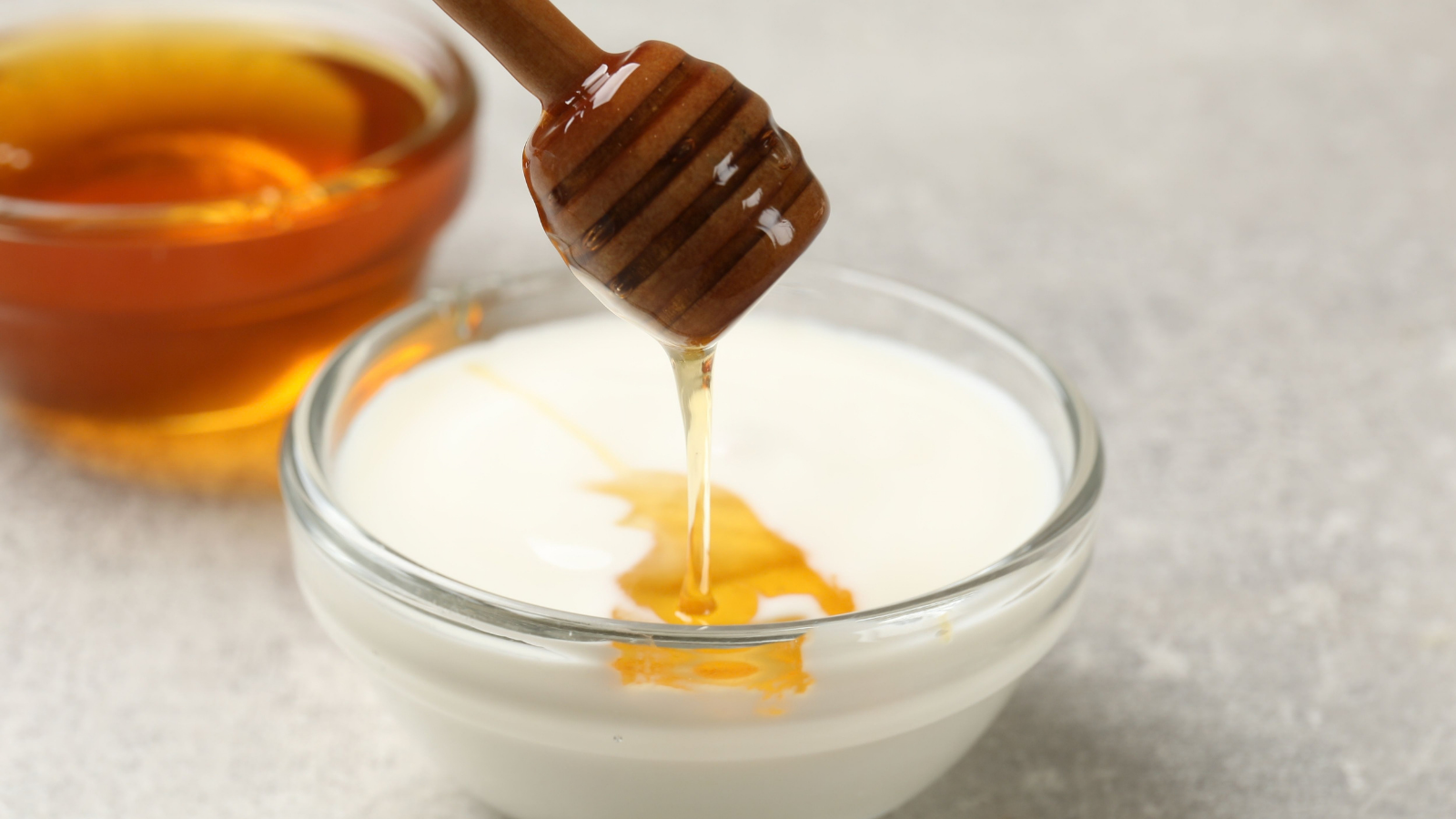
Choosing plain yogurt helps avoid added sugar found in many flavored versions. You can sweeten it with fresh fruit or a drizzle of honey. Yogurt also works well in smoothies, dips, and dressings.
Yogurt can also replace sour cream or mayonnaise in many recipes. It adds creaminess and protein to dips, dressings, and sauces. This simple swap can make familiar dishes a little lighter and more nutritious.
3. Lentils
Lentils are an affordable source of protein and fiber. They cook quickly compared to other dried beans and don’t need soaking. Lentils can be added to soups, stews, and salads.
Fiber supports digestion and helps keep blood sugar steady. Lentils also provide iron and folate. A pot of lentil soup can provide several nutritious meals.
Lentils come in several colors, including brown, green, and red. Red lentils cook quickly and break down into a creamy texture, perfect for soups. Brown and green lentils hold their shape better, making them ideal for salads and side dishes.
4. Frozen Vegetables
Frozen vegetables are convenient and nutritious. They are picked and frozen at peak ripeness, which helps preserve vitamins and minerals. They also last much longer than fresh produce.
Keeping a variety of frozen vegetables on hand makes it easy to add them to meals. They can be steamed, roasted, or added to soups and stir-fries. Frozen vegetables are especially helpful for people who shop less often.
Mixing different frozen vegetables into one meal adds color and a wider range of nutrients. A bag of mixed vegetables can go straight into a soup or a skillet with leftover chicken. It’s an easy way to make sure a meal includes something green.
5. Sweet Potatoes
Sweet potatoes are rich in fiber, vitamin A, and potassium. Their natural sweetness makes them a satisfying side dish. They are also easy to prepare.
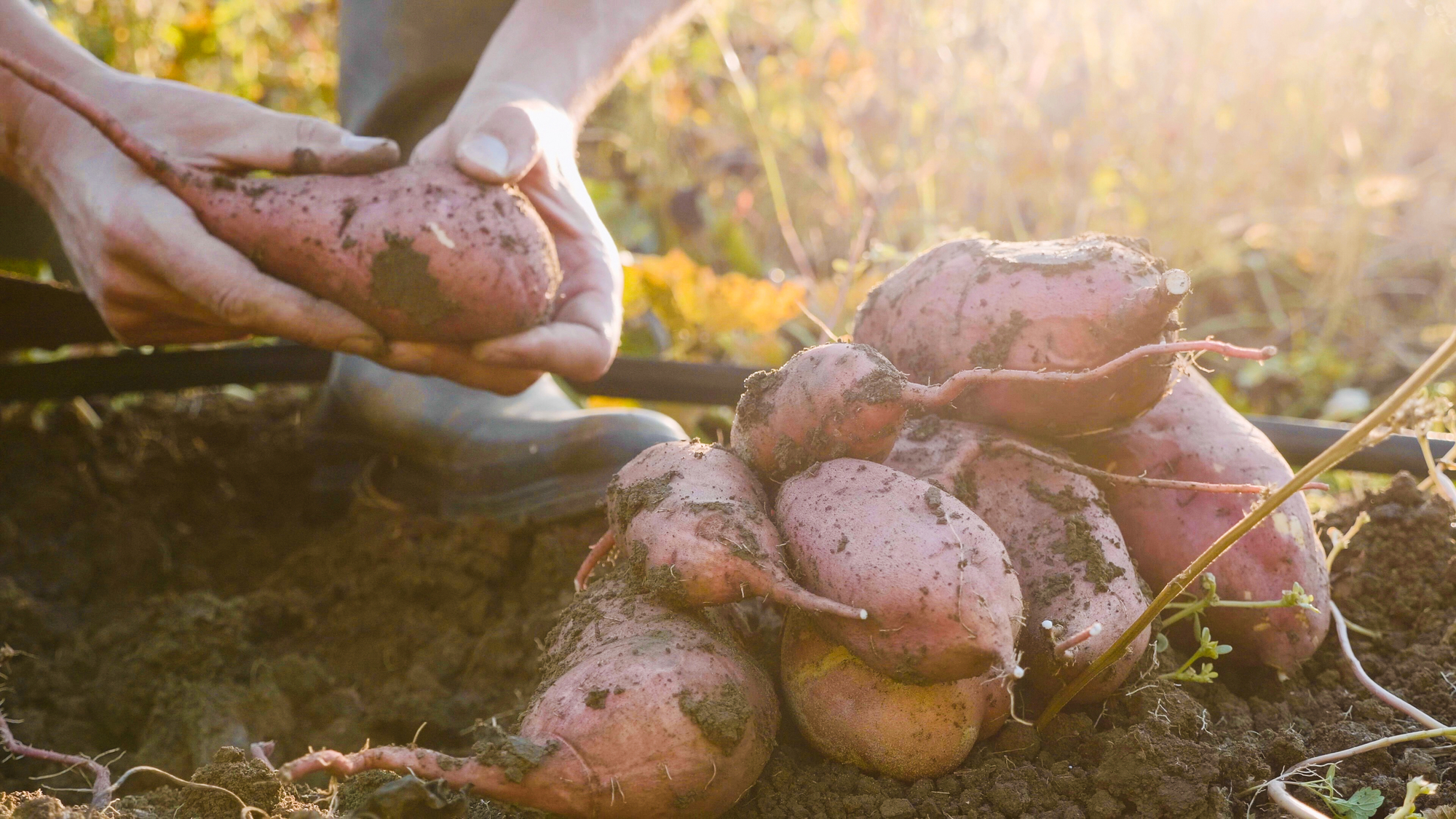
Sweet potatoes can be baked, mashed, or roasted. A baked sweet potato with a little butter and cinnamon makes a comforting meal. They are also filling and affordable.
Sweet potatoes can be cooked in the microwave in just a few minutes, which makes them easy for busy days. Leftover sweet potatoes can be added to soups or mashed into a quick side dish. They are also easy to eat for people with chewing difficulties.
6. Frozen Berries
Berries are packed with antioxidants, fiber, and vitamin C. Frozen berries are often cheaper than fresh ones and last much longer. They are ideal for smoothies, oatmeal, and yogurt.
Adding berries to breakfast can make meals more nutritious and colorful. They are naturally sweet, which can help reduce the need for added sugar. Frozen berries can also be thawed and eaten on their own.
Frozen berries can also be cooked down into a simple sauce for pancakes or oatmeal. Heating them with a little water creates a naturally sweet topping. It’s a healthier alternative to syrup.
7. Nuts
Nuts like almonds and walnuts provide healthy fats, protein, and fiber. A small handful makes a satisfying snack. They can also be added to salads, cereals, and baked goods.
Nuts are calorie-dense, so portion size matters. Choosing unsalted varieties helps reduce sodium intake. For people who have trouble chewing, nut butters are a good alternative.
Keeping nuts in the refrigerator or freezer helps them stay fresh longer. Their natural oils can go rancid at room temperature over time. Buying in moderate amounts and storing them properly prevents waste.
8. Canned Tuna
Canned tuna is an easy source of protein. It can be used in sandwiches, salads, and casseroles. It’s affordable and lasts a long time in the pantry.
The FDA lists canned light tuna as one of the “best choices” for fish because of its lower mercury levels. Tuna also contains omega-3 fats. It’s a simple way to add protein to meals without much effort.
Canned salmon and sardines are other good options to rotate with tuna. Eating a variety of fish helps limit mercury exposure while adding different nutrients. Keeping a few cans of each in the pantry makes quick lunches easy.
Why Variety Matters
Eating a variety of foods helps ensure you get the nutrients your body needs. No single food provides everything. Mixing proteins, vegetables, fruits, and whole grains creates balanced meals.
The National Institute on Aging offers helpful tips for healthy eating as we age. It’s also worth knowing which foods to avoid after 60, according to experts. Which of these foods do you already include in your meals?