7 Things Grandma Did With Leftovers That Most Families Throw Away
In Grandma’s kitchen, leftovers were never trash. They were ingredients waiting for their next job. A little bit of roast, a few cold potatoes, or half a loaf of stale bread could become an entirely new meal by the next day.
Many grandmothers learned this skill during the Great Depression and World War II, when wasting food was not an option. They developed clever ways to turn scraps into something delicious, and those habits stayed with them long after the hard times passed.
Today, many families throw away a surprising amount of food. Here are seven things Grandma did with leftovers that most families throw away, and how you can use her tricks to save money and reduce waste in your own kitchen.
1. Turned Stale Bread Into Bread Pudding and Stuffing
Grandma never threw away stale bread. Instead, she turned it into bread pudding, stuffing, bread crumbs, or croutons. A dry loaf was simply the start of another recipe.
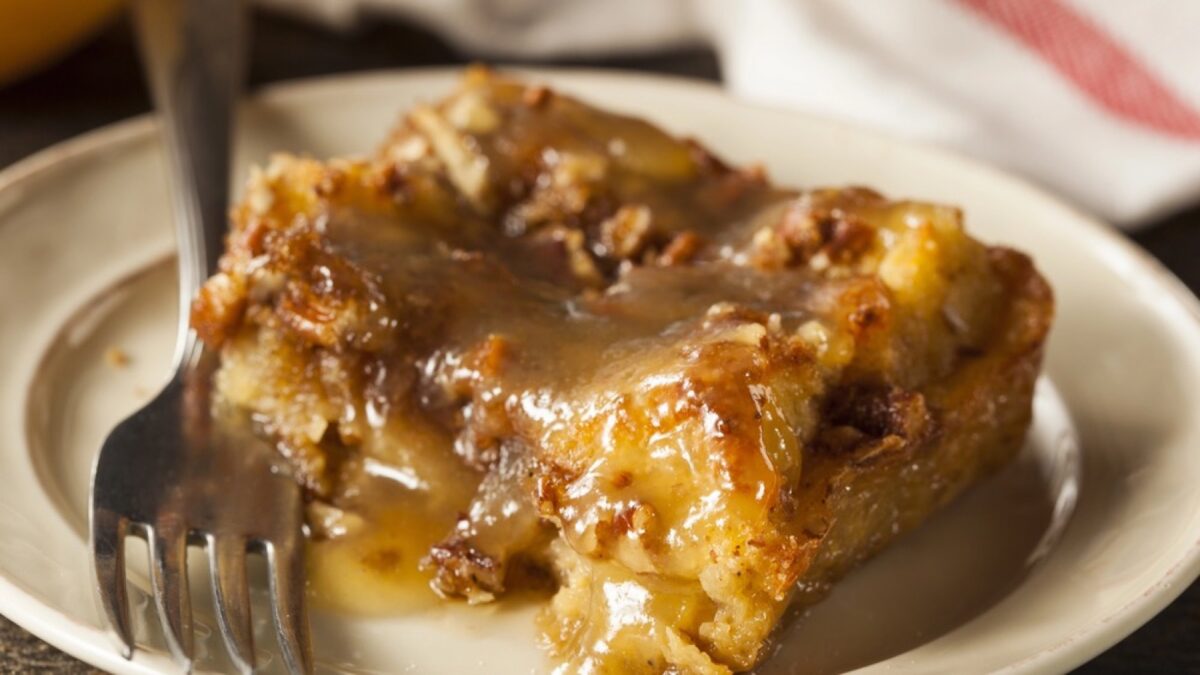
Bread pudding was a favorite dessert that used up old bread, eggs, milk, and sugar. Stuffing made with stale bread was perfect for holiday meals. Today, many families toss bread as soon as it starts to harden, missing out on these easy and delicious options.
2. Made Soup From Bones and Scraps
When Grandma roasted a chicken or a ham, the bones went straight into a pot. She added onion skins, carrot peels, celery tops, and water, then let it simmer for hours to make rich broth. That broth became the base for soups and stews.
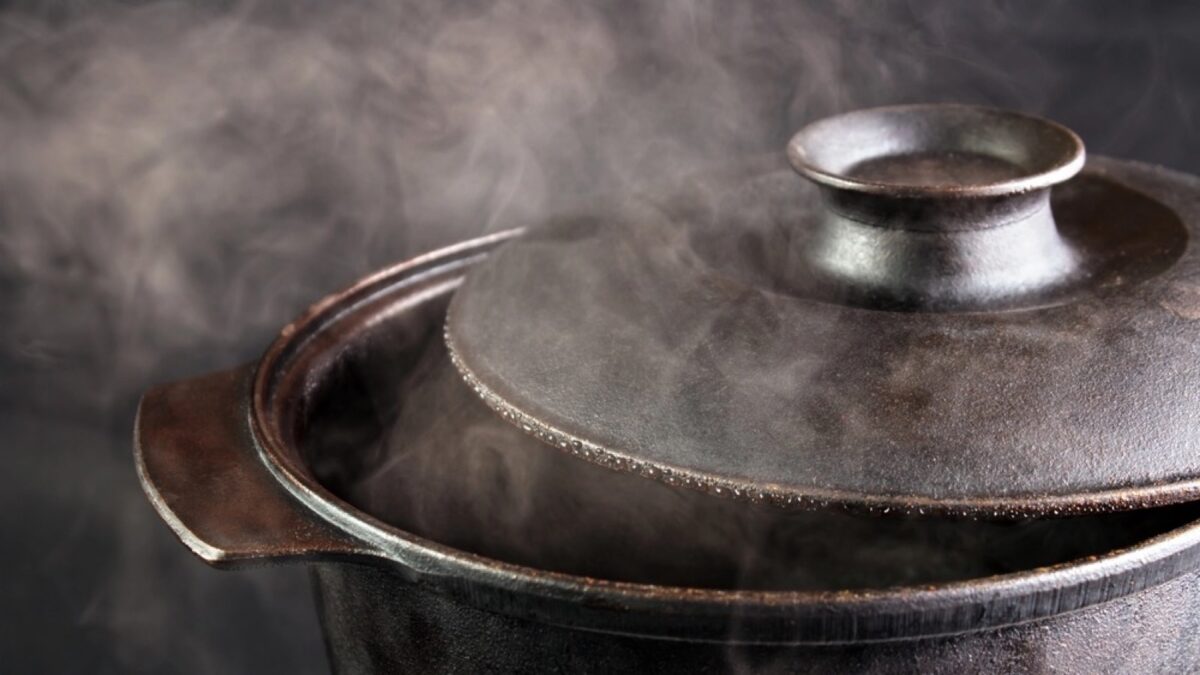
Many families today buy boxed broth and throw away bones and vegetable scraps. Making homemade broth from leftovers is not only cheaper but often more flavorful. It is one of the easiest ways to stretch a meal.
3. Turned Leftover Meat Into Hash
Leftover roast beef, corned beef, or ham often became hash in Grandma’s kitchen. She chopped the meat and fried it with diced potatoes and onions until crispy. Topped with a fried egg, it made a hearty breakfast or supper.
Hash was a delicious way to use up small amounts of meat that might otherwise go to waste. Today, many people buy canned hash without realizing how easy it is to make from leftovers. Grandma’s version was always better.
4. Used Overripe Bananas for Banana Bread
When bananas turned brown and spotty, Grandma did not throw them away. She mashed them into banana bread, muffins, or pancakes. Overripe bananas are actually sweeter and more flavorful for baking.
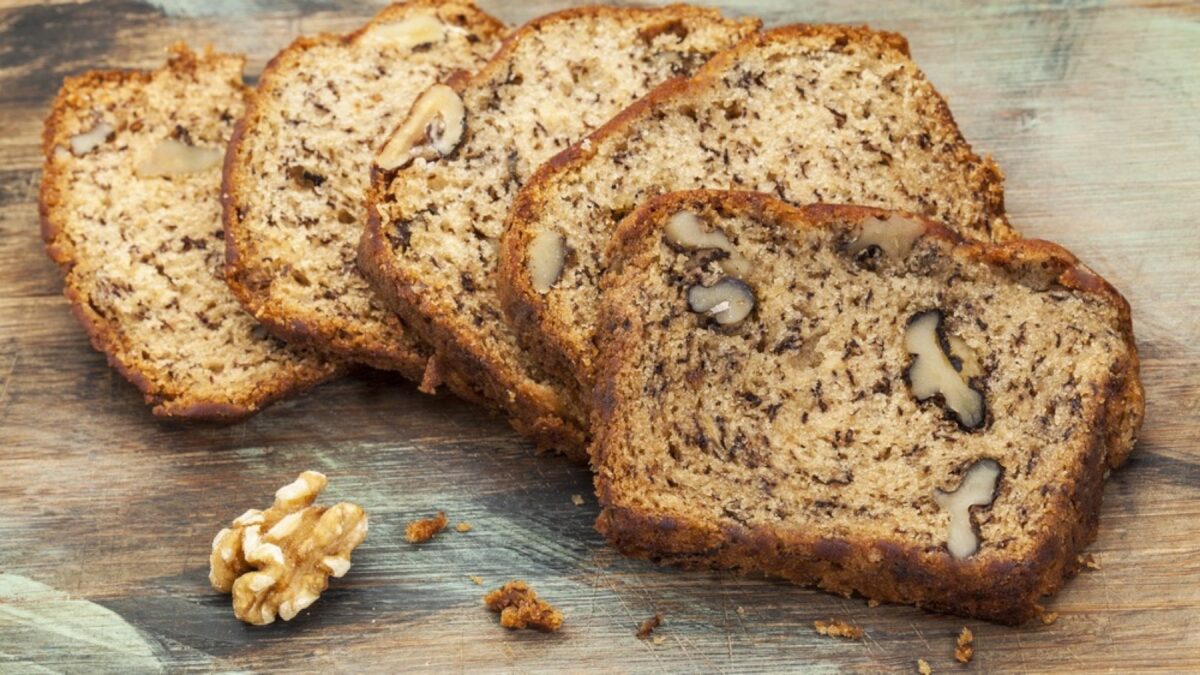
Many families toss brown bananas, thinking they are spoiled. Grandma knew better. Banana bread became popular in America during the 1930s, partly because it was a good way to use up overripe fruit during the Depression.
5. Saved Bacon Grease for Cooking
Grandma kept a jar of bacon grease by the stove and used it for frying eggs, seasoning vegetables, and making cornbread. The flavorful fat added a rich taste to many dishes.
Many families today pour bacon grease down the drain, which can clog pipes. Saving it, as Grandma did, is both practical and delicious. Just be sure to strain it and store it in the refrigerator.
6. Turned Leftover Vegetables Into Casseroles and Soups
Small amounts of leftover vegetables never went to waste in Grandma’s kitchen. She tossed them into soups, casseroles, omelets, and fried rice. A few green beans or a spoonful of corn could add color and nutrition to another meal.
Many families scrape leftover vegetables into the trash after dinner. Saving them in a container in the freezer until you have enough for soup is an easy habit to adopt. Grandma called it “clean out the fridge” soup.
7. Made Fried Rice or Rice Pudding From Leftover Rice
Leftover rice was a gift to Grandma. She used it to make rice pudding, a creamy dessert with milk, sugar, and cinnamon. Some families also made fried rice with leftover vegetables and eggs.
Many people throw away leftover rice, but it can easily be turned into another meal. Cold rice actually works better for fried rice because it is drier. Just be sure to refrigerate it promptly, as food safety experts recommend.
How to Start Using Leftovers Like Grandma
The first step is simply paying attention to what you throw away. Many families are surprised to discover how much bread, produce, and cooked food ends up in the trash each week. Once you notice the pattern, it becomes easier to plan around it.
Keeping a “use it up” shelf in the refrigerator can help. Leftovers and ingredients that need to be eaten soon go on that shelf, so everyone knows to use them first. A freezer bag for vegetable scraps and bones makes homemade broth easy, and a container for stale bread is perfect for crumbs and stuffing.
Planning one “leftover night” a week is another of Grandma’s tricks. Instead of cooking something new, the family eats whatever is left in the refrigerator, often with a few creative additions. It saves money, reduces waste, and gives the cook a night off.
Grandma had a talent for finding a second use for almost anything in her kitchen. She also avoided many of the kitchen mistakes that cost modern cooks money, such as letting food spoil before it could be eaten. Her approach is proof that a thrifty kitchen can also be a delicious one.
Grandma’s approach also made cooking more creative. Instead of following a recipe exactly, she looked at what she had and decided what to make. That flexibility is a skill any home cook can learn, and it often leads to surprisingly delicious meals that no cookbook could have predicted.
Why Grandma’s Habits Matter Today
Food waste is a big problem in America. The USDA estimates that food loss and waste account for 30 to 40 percent of the food supply. That means families are throwing away a lot of money along with their leftovers.
Grandma’s habits offer a simple solution to food waste. By planning ahead and getting creative with leftovers, families can save money, reduce waste, and enjoy meals that taste every bit as good the second time around.