Why Boomers Can’t Believe What Groceries Cost Today
Walk through any grocery store, and you will probably hear it at least once: an older shopper holding up a package, shaking their head, and saying, “I remember when this cost a quarter.” For many baby boomers, every trip to the supermarket comes with a fresh dose of sticker shock.
Boomers grew up in a time when groceries were simpler and, in many ways, more affordable relative to what families earned. They remember paying for a week’s worth of food with a few bills and getting change back. Today, a single bag of groceries can cost what a whole cart once did.
Their frustration is understandable, and it is not just nostalgia. Food prices have risen sharply in recent years, and many boomers are living on fixed incomes that have not kept up. Here is why so many boomers can’t believe what groceries cost today, and what is really behind the rising prices.

They Remember Very Different Prices
Boomers have vivid memories of prices from their childhood and early adulthood. A loaf of bread for around twenty cents, a dozen eggs for about fifty cents, and a candy bar for a nickel were normal in the 1960s. Those numbers are burned into their memories.
Today, those same items cost many times more. Even though wages have risen too, the difference can feel shocking. According to the Bureau of Labor Statistics, a dollar in 1965 had about the same buying power as roughly ten dollars today, which helps explain some, but not all, of the change.
Recent Price Jumps Hit Hard
While prices have risen steadily over the decades, the past few years have brought especially sharp increases. Food prices climbed quickly after the pandemic, driven by supply chain problems, higher labor costs, and rising fuel prices. Many shoppers felt the impact almost overnight.
Some items have been hit even harder. Beef prices reached record highs as the national cattle herd shrank. Egg prices swung wildly because of bird flu. Coffee and chocolate prices soared because of poor harvests overseas. For boomers on a budget, these increases have been hard to absorb.
Many Boomers Live on Fixed Incomes
Many boomers are retired and living on Social Security, pensions, or savings. While Social Security includes annual cost-of-living adjustments, many retirees feel those increases do not fully keep up with the rising cost of food, housing, and health care.
When grocery prices jump, retirees often have to make difficult choices. Some cut back on certain foods, buy store brands, or shop at discount stores. Others skip treats they used to enjoy without a second thought.
Package Sizes Have Shrunk
Boomers have a sharp eye for changes in package sizes. Many products have quietly shrunk over the years, a practice often called shrinkflation. A bag of chips might contain fewer chips, or a carton of ice cream might be smaller, while the price stays the same or goes up.

Boomers who have been buying the same products for decades notice these changes immediately. It adds to their frustration, because they feel they are paying more for less. Many have started comparing unit prices carefully to get the best value.
Grocery Stores Have Changed
The grocery stores boomers grew up with were very different from today’s supermarkets. Many towns had small neighborhood grocers, butcher shops, and bakeries. Shopping was more personal, and prices were simpler.
Today’s supermarkets offer far more choices, including organic, imported, and specialty foods that cost more. Many boomers feel overwhelmed by the options and frustrated by the prices. Some miss the simplicity of the stores they once knew.
Cooking Habits Have Changed Too
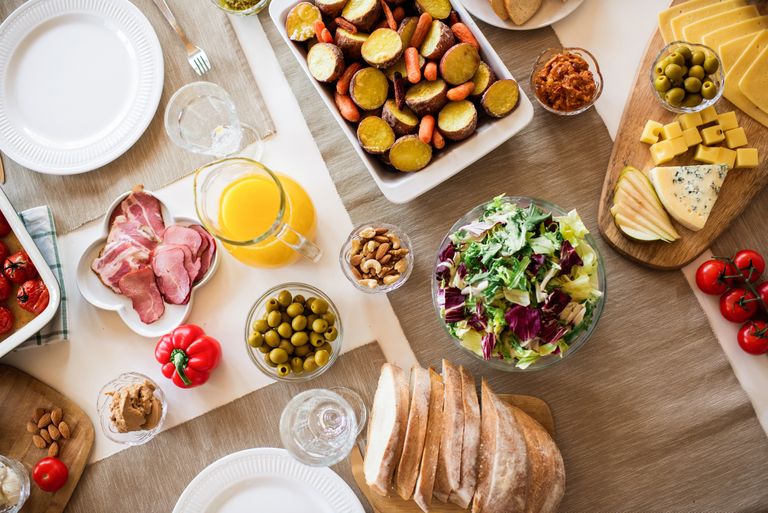
Boomers grew up cooking most meals from scratch, using basic ingredients like flour, potatoes, beans, and meat. These ingredients were inexpensive, and meals were simple. Convenience foods were considered a luxury.
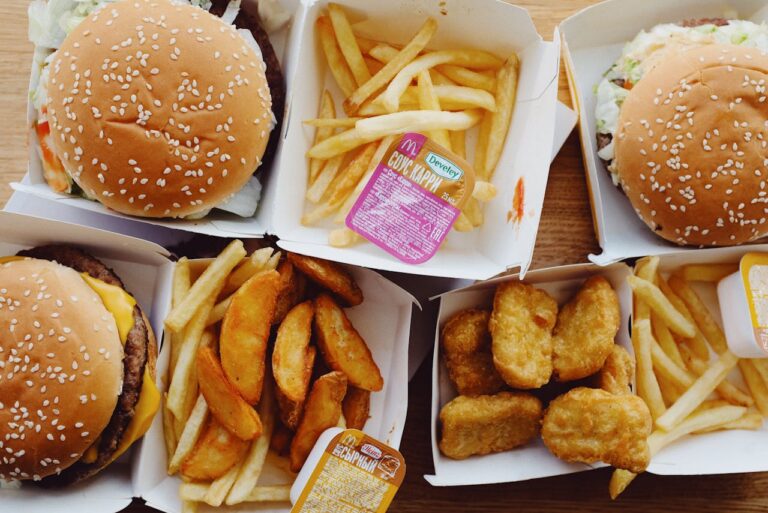
Today, many families rely on prepared foods, snacks, and takeout, which cost far more than cooking from scratch. Boomers who still cook the way they always have often notice how much more expensive packaged foods have become.
How Boomers Are Coping
Many boomers are relying on the money-saving habits they learned from their parents. They clip coupons, plan meals, buy in bulk, and stretch meat with beans and vegetables. Some grow their own vegetables or shop at farmers markets.
These habits, once considered old-fashioned, are now being adopted by younger generations too. Boomers have a lot of wisdom to share when it comes to stretching a grocery budget.
Tips for Stretching Your Grocery Budget
Boomers have plenty of practical advice for keeping grocery costs under control. Making a list and sticking to it is one of the simplest strategies. Planning meals for the week helps avoid impulse purchases and reduces waste.

Comparing unit prices can reveal which package sizes offer the best value. Buying store brands, shopping at discount grocers, and purchasing staples in bulk can also make a noticeable difference. Some boomers swear by shopping the perimeter of the store, where fresh foods are often found, and avoiding the aisles full of packaged snacks.
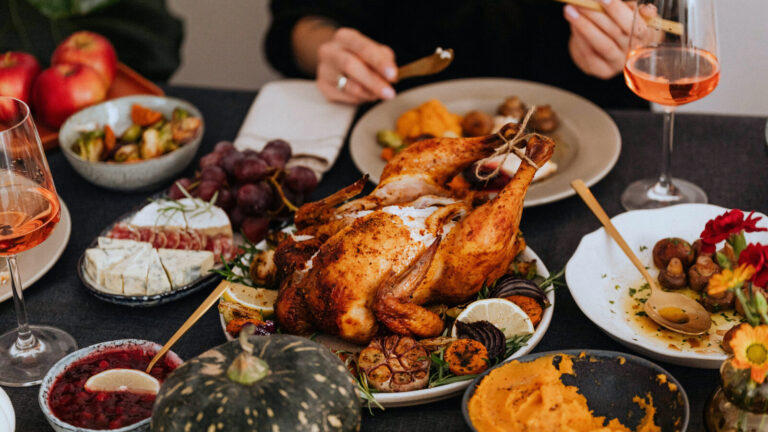
Cooking at home remains one of the best ways to save money. A homemade casserole, soup, or roast chicken can feed a family for a fraction of the cost of takeout. Leftovers can be turned into lunches or new meals, stretching the budget even further.
Finally, many boomers recommend avoiding small, unnecessary expenses that add up over time. Daily coffee shop visits, convenience foods, and impulse snacks can quietly drain a household budget.
It also helps to understand why prices feel so high. Many families are still adjusting to recent increases, and grocery bills remain a top concern across the country. Steering clear of a few pointless money pits can free up room for the groceries that matter most.
The Bottom Line
Boomers’ shock at grocery prices is rooted in real changes. Prices have risen dramatically over the decades, and recent increases have been especially steep. For those on fixed incomes, the impact is even greater.
Boomers’ shock at grocery prices is rooted in real changes, and for those on fixed incomes, the impact is even greater. With careful planning and a few old-fashioned habits, families can still make their grocery money go further.