7 Thanksgiving Cooking Expenses That Can Catch Families Off Guard
Planning Thanksgiving dinner usually starts with the obvious ingredients. You put turkey, potatoes, vegetables, stuffing, and dessert ingredients on your shopping list, then estimate how much the meal will cost. But the grocery list doesn’t always capture everything involved in getting dinner onto the table.
A few overlooked pantry items, extra baking pans, cooking supplies, storage containers, utility costs, and even grocery delivery fees can change your budget. Not every household will face these expenses, especially if the kitchen is already well-stocked.
Still, checking these seven possible costs before Thanksgiving can help you avoid unnecessary purchases and last-minute spending.
Pantry Staples You Have to Buy by the Package
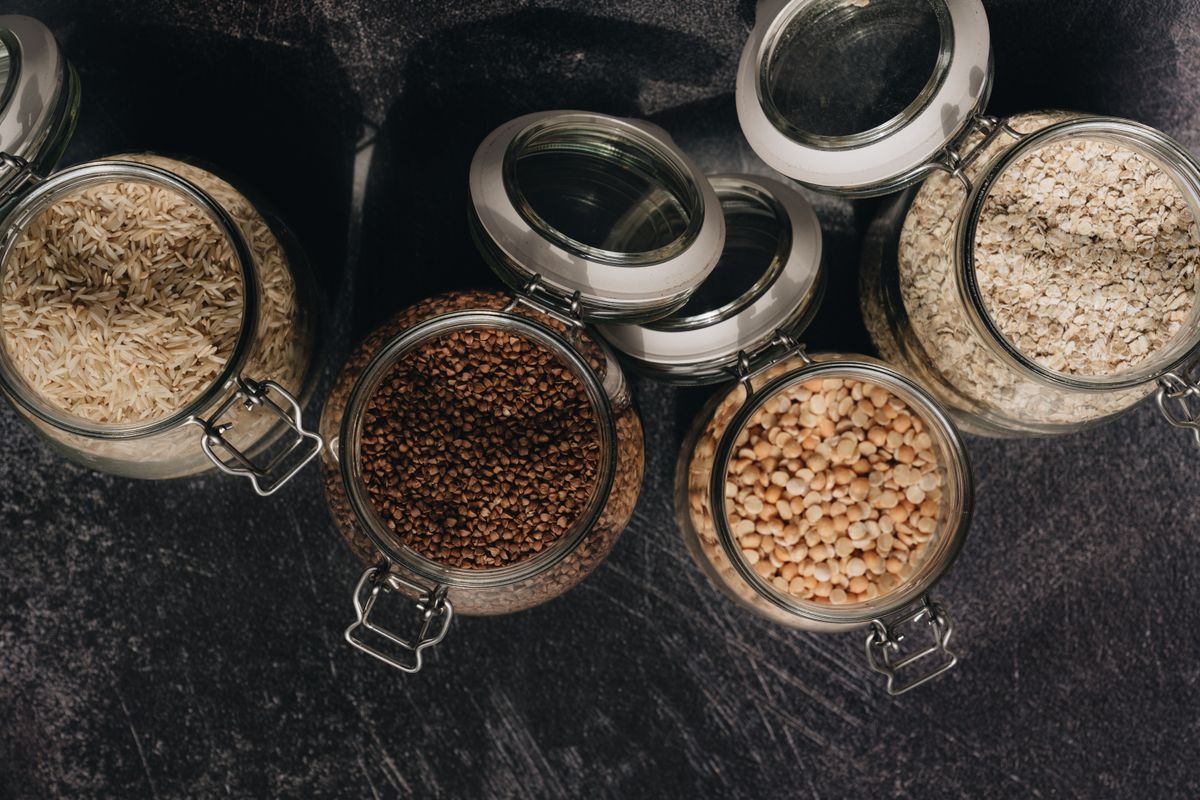
A recipe might call for a teaspoon of something, but the grocery store generally sells you an entire container. That difference matters when you’re calculating how much your Thanksgiving dishes will cost.
For example, LIBBY’S Famous Pumpkin Pie recipe calls for ¾ cup of sugar, 1 teaspoon of cinnamon, ½ teaspoon of ginger, and ¼ teaspoon of cloves. If your pantry is missing those spices, you’ll need to account for purchasing the packages, even though the pie uses only small amounts.
The remaining ingredients can be used for future meals, so the purchase isn’t necessarily wasted money. Before shopping, compare your recipes with what you already have, including the quantities left in each container.
Extra Baking Pans for the Sides
Thanksgiving cooking can become a juggling act when several dishes need the oven. Between casseroles, baked macaroni and cheese, dressing, and other favorites, you may discover that your kitchen doesn’t have enough baking dishes.
Buying disposable pans is one possible solution, but it introduces another expense. An illustrative Walmart listing, checked October 18, 2026, showed a two-pack of Great Value 13-by-9-inch disposable aluminum pans with folded board lids for $3.98. That’s $1.99 per pan, although prices can vary.
Before buying extra cookware, match each planned dish with a pan you already own. You may find that you have enough reusable bakeware, particularly if some dishes can be prepared at different times.
A Meat Thermometer You Don’t Already Own
Preparing a whole turkey may require kitchen equipment that doesn’t normally appear on your grocery list. A meat thermometer is one tool worth checking for before Thanksgiving arrives.
Butterball’s turkey-roasting instructions describe using an oven-safe meat thermometer placed deep in the thigh without touching bone. The instructions also call for a flat rack and shallow roasting pan.
If you don’t own a suitable thermometer, buying one creates an upfront expense rather than an annual Thanksgiving purchase. Just make sure you understand the difference between an oven-safe thermometer designed to remain in the oven and an instant-read model that may not be suitable for that purpose.
Check your equipment before shopping and choose a thermometer appropriate for the cooking method you plan to use.
Related: 4 “Polite” Thanksgiving Habits Everyone Secretly Finds Rude
Foil and Other Cooking Wraps
Aluminum foil is easy to overlook until you reach for the box and discover there’s barely enough left to cover a baking dish. Depending on your Thanksgiving recipes, you might need more than what’s already sitting in the kitchen drawer.
For instance, Butterball’s roasting instructions include loosely covering the turkey breast with foil partway through cooking. If you’re running low, purchasing another roll becomes an additional shopping expense.
As of October 18, 2026, Walmart Business listed a 75-square-foot roll of Great Value aluminum foil for $4.83, based on its online listing for Ashburn, Virginia. That’s the price of an entire roll, not the amount used for one meal, and prices may vary by shopping location or method.
Check your supplies before shopping, and remember that foil, parchment paper, and wax paper serve different purposes.
Containers for Leftovers and Take-Home Portions
Thanksgiving dinner doesn’t necessarily end when everyone leaves the table. You might have enough food remaining for another meal, and guests may appreciate taking a portion home.
However, having plenty of serving dishes doesn’t mean you have enough storage containers. The USDA recommends dividing Thanksgiving leftovers into smaller portions and using shallow containers for storage.
If your existing containers are already occupied, buying additional ones could become another expense. Reusable containers are purchases you can keep using, while disposable take-home containers may need replacing.
Count your available containers and matching lids before the holiday. You can also ask guests who want leftovers to bring their own containers rather than purchasing extras for everyone.
The Energy Used to Cook the Meal
Your grocery receipt tells you how much you spent on ingredients, but it doesn’t reflect the electricity or gas used to prepare them. That expense appears elsewhere in your household budget.
Thanksgiving cooking can involve roasting a turkey, baking side dishes, and preparing food on the stovetop. The actual energy cost depends on your appliances, cooking times, energy consumption, and local utility rates, so there isn’t one reliable dollar amount that applies to every household.
The Oregon Department of Energy offers practical holiday cooking tips, including keeping oven doors closed and covering pots while cooking.
To make better use of your kitchen, plan which dishes can cook at compatible temperatures. Organizing the cooking schedule can reduce unnecessary oven use without changing the instructions your recipes require.
Related: How to Prepare Your Home to Host a Beautiful Thanksgiving Celebration
Delivery Fees for Forgotten Ingredients
Finding out you’re missing an ingredient halfway through Thanksgiving preparations can be frustrating. Grocery delivery might solve the immediate problem, but the final charge could be much higher than the shelf price of that ingredient.
For example, Walmart’s U.S. delivery information lists a $9.95 standard delivery-from-store fee and an additional $10 Express fee. Under those terms, a nonmember choosing Express delivery could pay $19.95 in delivery fees alone, before any other applicable charges.
Walmart+ members receive different delivery benefits, including waived standard delivery fees on qualifying orders. Actual charges and availability can vary by location, membership, promotions, and order size.
These aren’t universal grocery delivery rates, and delivery availability isn’t guaranteed during the holiday. Before placing an urgent order, review the entire checkout total and consider whether a planned shopping trip could cover anything you’ve forgotten.
A Little Planning Can Keep the Budget on Track
A realistic Thanksgiving budget goes beyond the turkey and side dishes. It includes checking what you already own, what your recipes actually require, and which supplies you might need to purchase.
Before heading to the store, inspect your pantry, match your cookware to the menu, count your storage containers, and organize your cooking schedule. If grocery delivery becomes necessary, check the full cost before confirming your order.
The goal isn’t to spend as little as possible on Thanksgiving. It’s to know what you’re paying for before the holiday arrives, so you can focus more on enjoying the meal and less on unexpected expenses.