$71 Billion in U.S. Tariff Refunds Is Becoming Corporate America’s Inflation Shield
American companies are receiving one of the largest tariff repayments in U.S. history, but the money is not producing the celebration many importers once imagined.
Instead of financing major expansions, acquisitions, or hiring campaigns, much of the cash is being redirected toward rising fuel, transportation, packaging, and commodity costs linked to the war in Iran.
About $71 billion in tariff refunds was distributed during May and June, including $49.2 billion in June alone. The June payments exceeded the $23.6 billion the government collected in gross customs duties that month, leaving a net customs shortfall of roughly $25.6 billion.
We are therefore watching one inflationary shock partially cancel out another. Companies paid billions under tariffs later invalidated by the Supreme Court, only to recover the money as geopolitical instability creates a fresh layer of expenses.
Why American Companies Are Receiving Billions in Tariff Refunds
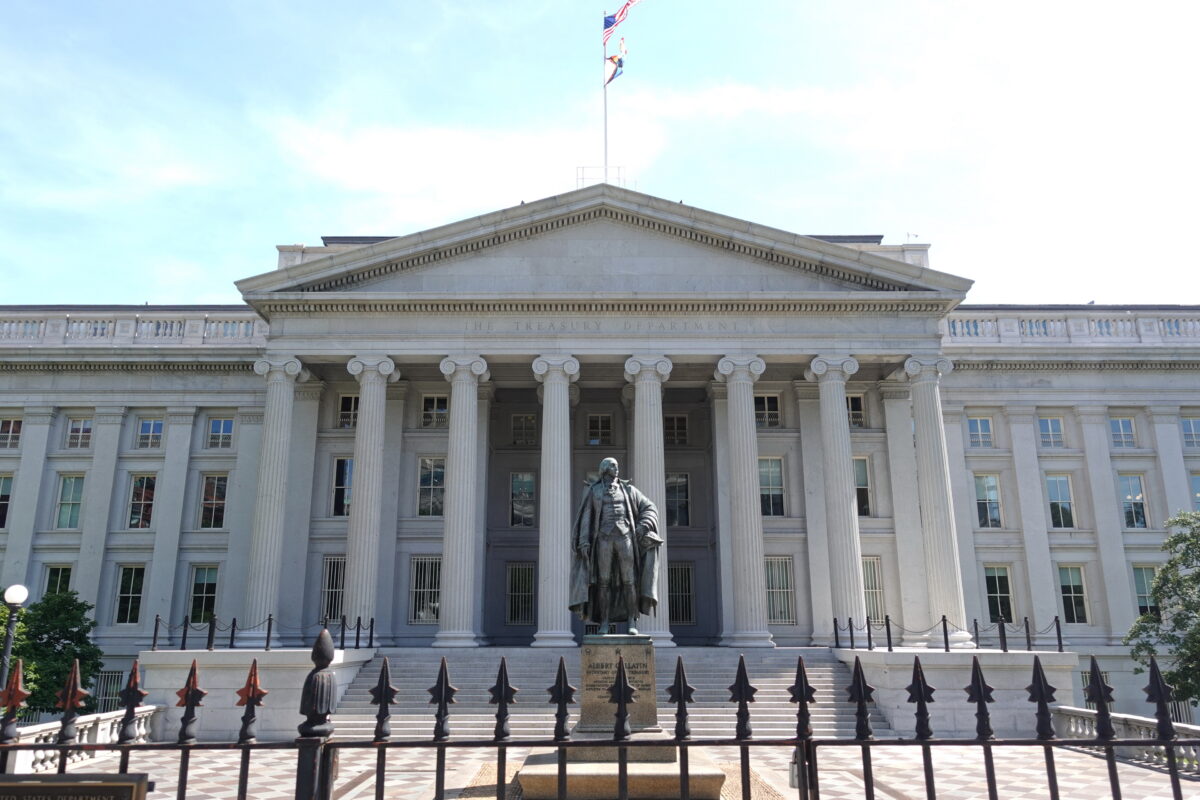
The repayment process follows the Supreme Court’s February 20, 2026, decision that the International Emergency Economic Powers Act did not authorize the president to impose tariffs.
The affected IEEPA tariff programs ended several days later, opening the door for importers to reclaim duties they had already paid.
Customs officials have accepted approximately $104.29 billion in potential and certified refund claims for processing. Of that amount, roughly $71.06 billion had been cleared for payment by early July.
The refunds represent the return of corporate cash rather than a traditional government stimulus program. Importers originally transferred the money to the Treasury when products entered the United States.
Many then responded by raising prices, reducing margins, changing suppliers, or postponing investments.
Now that those payments are returning, companies must decide whether to lower prices, rebuild margins, repay debt, or increase spending. The answer increasingly depends on how exposed each business is to the next inflation wave.
The Iran War Is Absorbing the Tariff Windfall
The timing could hardly be more complicated. Rising energy prices associated with the war in Iran are increasing costs across nearly every major consumer industry.
Oil affects far more than gasoline stations. It influences plastic packaging, agricultural production, refrigeration, air freight, trucking, manufacturing, and the final delivery of goods to stores.
A company may recover only part of the money paid for imported ingredients, only to lose much of that benefit to higher freight and packaging costs.
We can see the pressure clearly in the food and beverage sector. These companies operate enormous supply networks that depend on fuel, aluminum, agricultural commodities, and temperature-controlled transportation.
Even a moderate increase in energy prices can quickly spread through thousands of products.
PepsiCo has said its tariff refund claims and productivity savings should help cushion the impact of higher input costs during the second half of 2026.
The company is also dealing with weaker North American food sales and with consumers increasingly choosing smaller packages or cheaper alternatives.
Chief Financial Officer Steve Schmitt said the company would use the refunds to “help offset some commodity inflation.” The money may also give PepsiCo room to continue investing in its brands instead of responding to every cost increase with another price hike.
That matters because PepsiCo has already reduced prices on products including Lay’s and Doritos by up to 15 percent in North America. Those cuts were designed to bring back budget-conscious shoppers whose purchasing habits have changed under persistent inflation.
McCormick’s Refund Shows How Quickly the Money Can Disappear
McCormick & Company offers another revealing example. The spice manufacturer received approximately $28 million in tariff refunds during its fiscal second quarter and expected another $3 million later in the year.
That $31 million could appear to be a significant earnings boost. Yet McCormick executives indicated that much of the money would be needed to offset higher costs, including inflation tied to the Middle East conflict.
The company had already raised prices twice as tariffs and limited freight capacity increased expenses. A refund can repair part of the financial damage, but it cannot automatically reverse price increases or eliminate new supply-chain pressures.
This is one reason consumers may not see immediate reductions across all affected products. Retailers and manufacturers often purchase inventory months in advance. Goods currently on store shelves may still reflect higher tariff, transportation, and commodity costs incurred earlier.
Companies must also determine whether lower costs will last. Cutting prices aggressively based on a one-time refund could become dangerous if oil, freight, or raw material expenses continue to climb.
Tariff Refunds Could Slow Inflation Without Reversing It
The refunds still carry meaningful economic value. Companies that receive cash may be able to avoid additional price increases, protect jobs, or continue investments that would otherwise have been delayed.
Some businesses are passing at least part of the benefit to consumers. BJ’s Wholesale Club said tariff-related savings helped it reduce overall retail prices by approximately half a percentage point. Other companies may use the funds to support promotions or absorb costs that would normally appear on price tags.
However, the broader effect will remain uneven. Businesses with strong balance sheets may save the money, reduce debt, or return capital to shareholders. Financially constrained companies are more likely to use refunds to cover payroll, inventory, equipment, or lower prices.
Atlanta Federal Reserve researchers estimate that roughly one-third of the refunds could reach financially constrained businesses, where the cash is more likely to influence hiring, investment, and consumer pricing.
We should therefore view the $71 billion as a cushion rather than a cure. It can soften inflationary pressure, but it cannot fully neutralize an energy shock, ongoing tariffs imposed under other trade laws, or years of accumulated price increases.
Consumers May Benefit Through Prices That Rise More Slowly
For households, the most realistic benefit may not be dramatic price cuts. It may be fewer increases.
A snack company that receives a refund but faces higher packaging costs could keep prices unchanged rather than raising them again. A retailer could offer deeper promotions. A manufacturer might avoid reducing package sizes or eliminating lower-cost products.
These outcomes are less visible than a nationwide price reduction, but they still matter to consumers whose budgets remain under pressure. Preventing a five-percent increase can provide real savings even when the shelf price never falls.
The tariff repayments also expose the complicated relationship between trade policy and inflation.
Tariffs raised costs when they were collected. Refunds are now returning money to businesses, but new geopolitical pressures are claiming a share of that cash before it can circulate through the economy.
Corporate America finally has its tariff money back. Yet instead of functioning as a windfall, the $71 billion is becoming a defensive reserve against the next round of inflation, leaving consumers to benefit mainly from price increases that may be delayed, reduced, or quietly avoided.