Why So Many Women Feel Invisible After 50
Many women describe a strange moment that happens sometime in their fifties. They walk into a room, a store, or a restaurant, and they realize that people are no longer noticing them the way they once did. Salespeople look past them, conversations happen around them, and their opinions seem to carry less weight.
This feeling of becoming “invisible” is something countless women talk about, often with frustration and sometimes with relief. It reflects deep-rooted attitudes about women, beauty, and aging in American culture. For many women, it can be a painful adjustment.
But the story does not end there. While many women feel overlooked, many also discover new freedom in being less noticed. Here is a look at why so many women feel invisible after 50, and how many are reclaiming their voices.
Society Values Youth
American culture places enormous value on youth, especially for women. Advertising, movies, and television often focus on young women as the standard of beauty and relevance. Older women are frequently left out or portrayed in limited roles.
As women age, many feel that society stops seeing them as attractive, interesting, or important. This can affect how they are treated in public, at work, and even in their personal lives. The message that youth equals value can be hard to escape.
Women Are Underrepresented in Media
Women over 50 have historically been underrepresented in movies, television, and advertising. When they do appear, they are often cast as grandmothers, wives, or supporting characters rather than leading figures with their own stories.
This lack of representation reinforces the feeling that older women do not matter as much. Many women say they rarely see themselves reflected in the media they consume. Although things are slowly improving, the gap remains noticeable.
Ageism in the Workplace
Many women over 50 experience ageism at work. They may be passed over for promotions, excluded from important projects, or pushed toward retirement. Some find it difficult to get hired after a layoff, despite years of experience.
According to AARP, a large share of older workers say they have seen or experienced age discrimination at work. For women, ageism often combines with gender bias, making the challenges even greater.
Changes in Appearance
As women age, their appearance naturally changes. Gray hair, wrinkles, and changes in weight can affect how others perceive them. In a culture that emphasizes youthful beauty, these changes can make women feel less visible.
Some women respond by trying to look younger, while others embrace their natural aging. Either way, many women notice a shift in how strangers react to them. Compliments and attention may become less frequent.
Life Transitions
The years after 50 often bring major life changes for women. Children grow up and leave home, careers may wind down, and some women go through divorce or widowhood. These transitions can leave women feeling less needed or less connected.
For women who spent years as caregivers, the empty nest can feel especially isolating. Without the daily demands of raising children, some women struggle to find their new place in the world.
Being Overlooked in Everyday Life
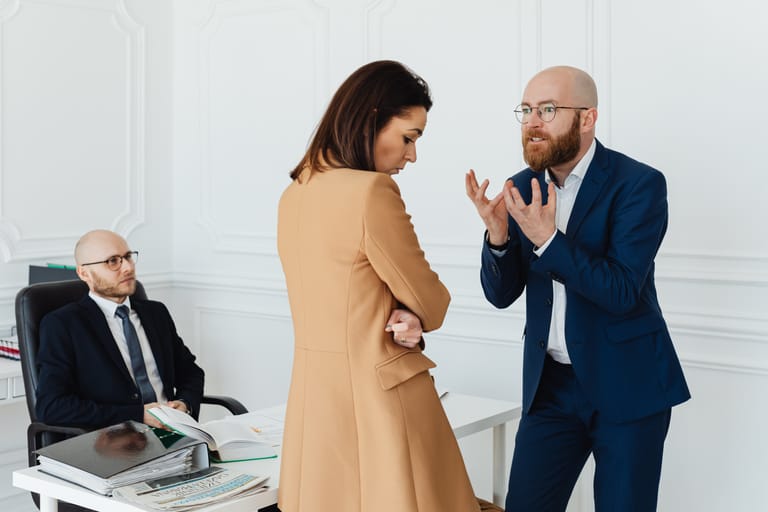
Many women over 50 describe being ignored in everyday situations. They may wait longer for service in stores or restaurants, be talked over in meetings, or have their opinions dismissed. These small slights can add up over time.
Some women find this frustrating and hurtful. Others learn to speak up more forcefully to make sure they are heard. Many say they have become more assertive with age.
The Unexpected Freedom of Invisibility
Interestingly, many women say that feeling invisible has its benefits. Without the pressure to look a certain way or attract attention, they feel freer to be themselves. They can dress for comfort, speak their minds, and focus on what matters to them.
Some women describe a sense of relief at no longer being judged constantly on their appearance. They can move through the world with less scrutiny and more independence. For many, this freedom is empowering.
Women Are Reclaiming Their Visibility
Many women over 50 are pushing back against invisibility. They are starting businesses, running for office, traveling the world, and building communities. Social media has also given older women a platform to share their voices and connect with others.
Celebrities and public figures over 50 are increasingly speaking out about aging and challenging stereotypes. These changes are helping to shift attitudes about women and aging.
How to Feel Seen Again
Women who feel invisible can take steps to reconnect with their sense of purpose and visibility. Joining clubs, volunteering, taking classes, or starting new hobbies can create opportunities to meet people and share their talents. Many women find that new activities bring new confidence.
Speaking up is also important. Women over 50 have valuable experience and perspectives, and sharing them, at work, in their communities, and in their families, helps others recognize their worth. Some women find that mentoring younger people is especially rewarding.
Supporting other women matters, too. When women uplift each other, share their stories, and challenge ageist attitudes, they help create a culture where older women are valued. Many women also find that they feel more comfortable in their own skin after letting go of the embarrassing moments that once seemed so important. Learning to accept a few of life’s hardest truths can also bring a surprising sense of peace.
Some women also find strength in sharing their experiences online. Blogs, social media accounts, and community groups created by women over 50 have attracted large audiences, proving that there is real interest in their stories, style, and wisdom.
Seeing Women Over 50
Feeling invisible after 50 is a real and common experience, but it does not have to be permanent. By speaking up, supporting one another, and challenging stereotypes, women are making themselves seen and heard.
The next time you meet a woman over 50, take a moment to really listen. You may find that she has some of the most interesting stories in the room.