10 Baking Mistakes That Secretly Ruin Your Desserts Every Time
Baking seems simple until your cake collapses, cookies spread into sad puddles, or bread emerges heavier than expected. Most disasters happen quietly, without warning, often because of overlooked details rather than a lack of skill. From mismeasuring flour to ignoring oven quirks, small mistakes add up fast. Understanding and fixing these common blunders will save your baked goods and your patience. Here are 10 baking mistakes that quietly destroy desserts and how to avoid them.
Measuring Flour Incorrectly

Adding too much flour is a silent culprit behind dense cakes, dry muffins, and rubbery cookies. Scooping straight from the bag, it packs it in, often exceeding the recipe’s intended amount. This subtle error can sabotage your texture without warning. Using a kitchen scale is the most reliable fix, or fluffing flour and spooning it gently into cups before leveling ensures consistent results. Accurate measurements turn fragile recipes into reliable successes.
Using Cold Ingredients
Cold butter, eggs, or milk disrupts batters and doughs, creating lumpy textures and uneven rise. Softened butter traps air when creamed, ensuring cakes and cookies remain light and tender. Cold eggs or milk can cause the mix to collapse and prevent proper blending. Planning ahead to bring ingredients to room temperature or using quick-warming tricks helps preserve the intended texture and flavor, keeping your baked goods from falling flat.
Overmixing the Batter

Overmixing develops excess gluten in your batter, producing chewy, tough cakes and muffins. Perfectly smooth mixes aren’t required; slight lumps often yield better results. Stirring too aggressively can collapse air pockets crucial for lightness. Mix only until ingredients combine, especially after adding flour, and fold in mix-ins gently. A delicate touch produces tender cakes, soft muffins, and cookies that hold shape without being rubbery.
Expired Leavening Agents
Old baking powder or soda quietly sabotages rise, leaving baked goods dense and sunken. Leavening agents lose potency over time, so a cake may look fine until it fails to fluff. Testing their strength ensures reliable results. Store these ingredients sealed and away from moisture. Fresh leaveners are inexpensive but essential; failing to check them is a common recipe-ending mistake that ruins taste and texture.
Ignoring Oven Accuracy
Many ovens misreport temperatures, causing uneven browning, sinking, or undercooked centers. Even a small mismatch can ruin delicate treats. Using an oven thermometer reveals the true temperature and helps prevent disasters. Preheating fully and understanding your oven’s quirks protects your investment in ingredients. Consistent temperatures create even baking, properly risen cakes, and golden crusts that match expectations.
Opening the Oven Too Often

Every oven door peek drops temperature abruptly, collapsing fragile cakes or deflating soufflés. Repeated openings extend baking time and alter texture unpredictably. Patience is essential: use the window to monitor progress. Only check when the recipe specifically instructs you to, or after most of the baking time has passed. Letting baked goods remain undisturbed ensures structure, moistness, and even color.
Using the Wrong Pan
A pan that’s too large spreads the batter too thin, causing dry edges, while a pan that’s too small overflows and undercooks the interior. Dark pans absorb more heat, while light pans absorb less, affecting browning. Following the recommended pan type and size helps prevent structural and textural problems. Line with parchment for easy release and consistent baking. Pan choice may seem minor, but it dramatically affects appearance and flavor.
Substituting Ingredients Recklessly
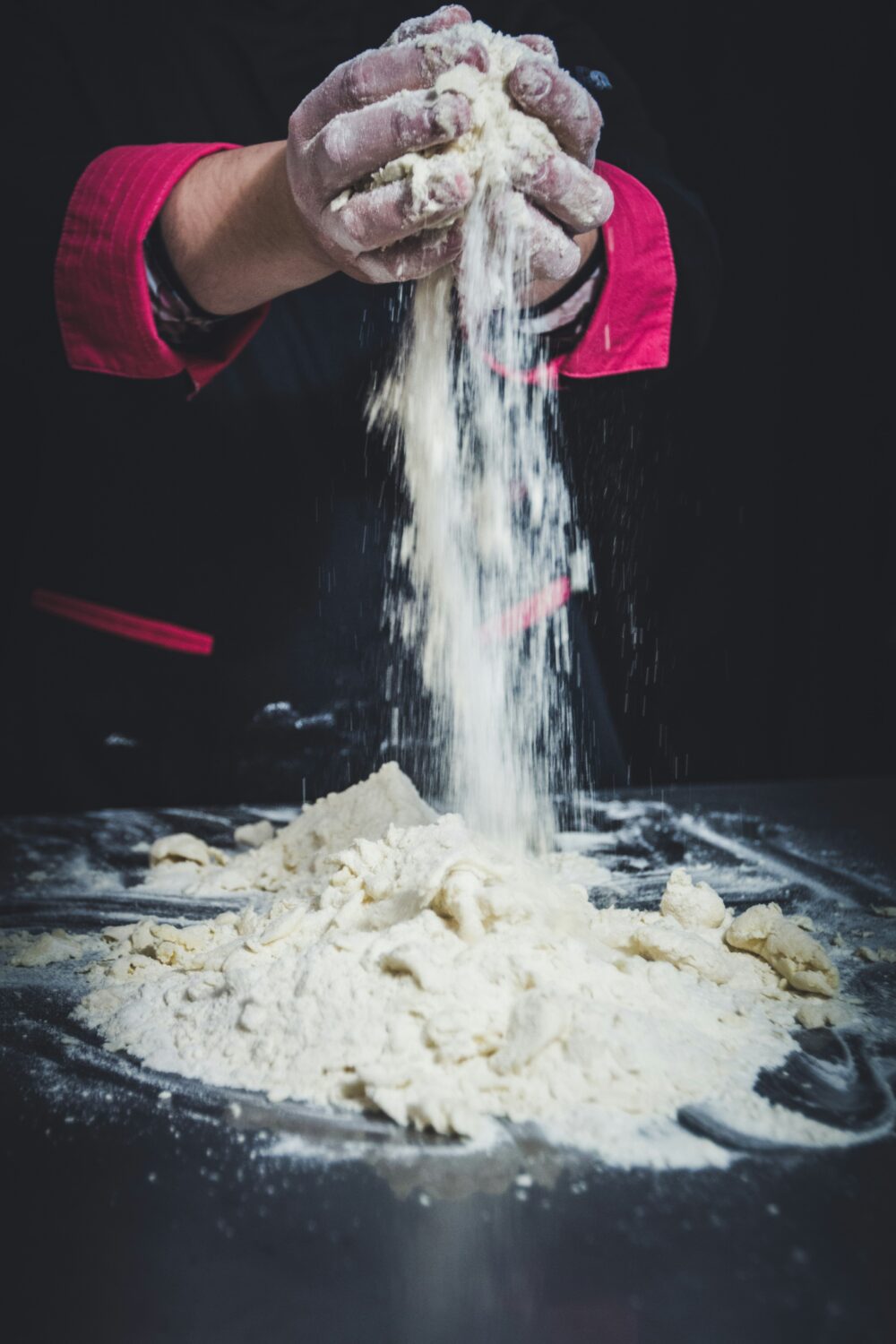
Replacing sugar, flour, or fat without considering chemistry can wreck texture and rise. Baking relies on precise ratios and interactions; even small swaps alter moisture, density, and taste. Follow recipes closely initially, then experiment once you know how the original behaves. Trusted dietary substitutions are safer than guesswork. Accurate ingredients protect both flavor and structure.
Cutting Too Soon
Slicing cakes, bread, or brownies before they cool compromises their structure and texture. Heat continues setting crumbs, moisture, and steam after baking. Rushing cuts creates gummy, collapsing, or crumbly desserts. Cooling fully on racks allows the interior to firm and the flavor to develop. Waiting isn’t wasted time; it’s the final step in achieving perfect consistency and presentation.
Overlooking Recipe Details
Not reading recipes fully can lead to missed steps, such as chilling the dough, separating the eggs, or prepping the pans. These overlooked details subtly sabotage results before mixing even starts. Careful preparation and understanding timings, temperatures, and ingredient states ensure smooth execution. Following every instruction closely avoids last-minute disasters. Baked goods rely on foresight as much as technique.
Conclusion
Small, overlooked mistakes can quietly turn promising desserts into disappointments. Proper measuring, fresh ingredients, patient mixing, oven awareness, and thoughtful preparation keep baked goods consistent, tender, and visually appealing. Baking success is rarely about luck; it’s precision, timing, and respect for each step. Avoid these 10 common mistakes, and every batch you make can emerge flawless, flavorful, and picture-perfect.