10 Things That Make Life Surprisingly Better After 60 (And Why Many People Wish They’d Enjoyed Them Sooner)
Turning 60 can feel like entering an entirely different chapter of life. For some people, it brings retirement, changing family responsibilities, and more time at home. For others, it means finally having the freedom to make decisions without constantly worrying about work deadlines, school schedules, or other people’s expectations.
What many people discover, however, is that life after 60 can be surprisingly enjoyable in ways they never anticipated.
This stage isn’t necessarily about expensive vacations, impressive possessions, or major accomplishments. Sometimes, the greatest improvements come from having a quieter morning, spending time with people who genuinely matter, or finally feeling comfortable saying no.
Here are 10 things that can make life better after 60.
Having the Freedom to Stop Impressing Everyone
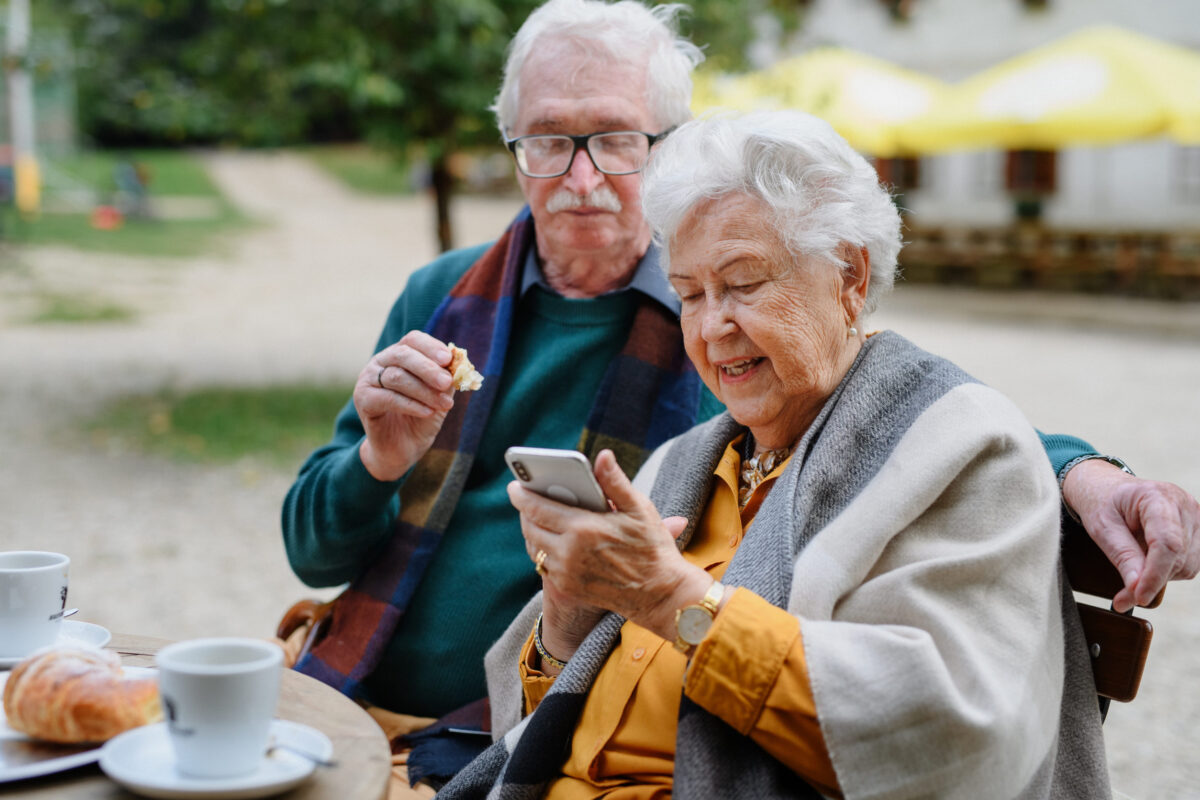
One of the most refreshing changes that can come with getting older is becoming less concerned about what everyone thinks.
For decades, many people spend considerable energy trying to meet expectations. They worry about their appearance, career progress, social standing, possessions, and whether others approve of their decisions.
After 60, those concerns may begin to matter less.
People become more comfortable wearing what they like, decorating their homes according to their preferences, and making choices without constantly seeking approval.
There is something liberating about realizing that not every decision needs an explanation.
Life becomes easier when personal satisfaction matters more than impressing people who may not even be paying attention.
Related: Everyday Behaviors Linked to a Higher IQ
Enjoying Quiet Mornings Without Rushing
For people who spent decades getting children ready for school, commuting to work, and managing demanding schedules, a peaceful morning can feel like a luxury.
After 60, some people have more control over how they begin their days.
Instead of immediately checking work emails or rushing out the door, they can enjoy a cup of coffee, read the newspaper, water the garden, or simply sit by a window.
These ordinary moments can become meaningful parts of everyday life.
A quiet morning doesn’t need an elaborate routine. Sometimes, having enough time to enjoy breakfast without watching the clock is already a welcome change.
Spending More Time With People Who Truly Matter
As people get older, they may change how they view their relationships.
Rather than trying to maintain dozens of casual connections, many adults begin valuing a smaller circle of meaningful friendships and family relationships.
They may become more intentional about visiting siblings, calling old friends, spending time with grandchildren, or reconnecting with people they haven’t seen in years.
There is also less reason to maintain relationships that consistently feel one-sided.
Having a few dependable people to share conversations, celebrations, challenges, and ordinary afternoons with can make life feel richer.
Quality often becomes more important than quantity.
Discovering That Hobbies Don’t Have to Make Money
During working years, many people postpone personal interests because they are too busy earning a living and managing family responsibilities.
After 60, there may finally be more room to revisit those activities.
Some people return to gardening, painting, woodworking, photography, sewing, cooking, or collecting things they enjoy.
Others discover entirely new interests.
The difference is that hobbies no longer have to become businesses, side hustles, or impressive accomplishments.
You can grow tomatoes simply because you enjoy gardening. You can paint a picture without worrying about selling it. You can learn an instrument without expecting to perform professionally.
Doing something purely for enjoyment can be one of life’s most satisfying experiences.
Related: 8 things seniors over 70 can still do that show excellent health
Learning to Say No Without Feeling Guilty
For much of adulthood, people feel obligated to attend every gathering, accept every invitation, and help whenever someone asks.
While generosity and kindness remain important, getting older can bring a clearer understanding of personal boundaries.
Some people become more comfortable declining invitations they don’t genuinely want to accept or refusing responsibilities that leave them overwhelmed.
They may choose a quiet weekend at home instead of attending another social event.
They may also become more selective about where they invest their time and energy.
Learning to say no doesn’t mean becoming selfish. It means recognizing that personal time is valuable and deserves consideration.
Appreciating a Comfortable Home More Than Expensive Possessions
A beautiful home doesn’t necessarily need expensive furniture, fashionable decorations, or the latest appliances.
After 60, many people discover that comfort and familiarity matter more than constantly purchasing new things.
A favorite chair, a well-organized kitchen, family photographs, a peaceful garden, or a familiar bedroom can provide more satisfaction than expensive upgrades.
Some homeowners also begin simplifying their living spaces by removing items they no longer use or need.
The result can be a home that feels easier to maintain and more enjoyable to spend time in.
There is a special kind of satisfaction in living somewhere that reflects your personality rather than following every decorating trend.
Having More Opportunities to Travel at Your Own Pace
For people who have spent years balancing employment, school calendars, and family responsibilities, retirement or a more flexible schedule can create new travel opportunities.
Not everyone over 60 wants expensive international vacations.
Some prefer visiting relatives, taking scenic road trips, exploring national parks, or spending a few days in a nearby town.
Others enjoy traveling during quieter periods when popular destinations may be less crowded.
The biggest benefit is having more control over the experience.
Instead of rushing through a destination to fit everything into a limited vacation, travelers can slow down, explore, and enjoy the journey.
Of course, travel depends on personal circumstances and finances, but even a simple day trip can create wonderful memories.
No Longer Feeling Obligated to Follow Every Trend
Fashion, technology, home decorating, and popular culture constantly introduce new trends.
Keeping up with everything can become exhausting and expensive.
One enjoyable part of getting older is realizing you don’t have to join every new craze.
If you prefer your traditional furniture, you’re not obligated to replace it. If you enjoy familiar music, you don’t need to change your playlist to match current trends.
You can keep the clothes you feel comfortable wearing and use the technology that serves your needs.
Personal preferences don’t become less valuable simply because something newer has appeared.
Sometimes, knowing what you like and being comfortable with it is a wonderful form of freedom.
Finding Joy in Ordinary Family Traditions
Small family traditions can become increasingly meaningful over time.
Sunday dinners, birthday celebrations, holiday gatherings, family photographs, and occasional visits from loved ones can provide opportunities to reconnect.
Some older adults enjoy passing down recipes, sharing childhood stories, teaching grandchildren practical skills, or explaining how family traditions began.
These moments help preserve memories and create connections between generations.
Not every gathering needs to be elaborate. A simple afternoon conversation, a shared meal, or a familiar holiday routine can become something family members look forward to.
The beauty is that meaningful traditions don’t have to cost much money.
Realizing That There Is Still Plenty of Life to Enjoy
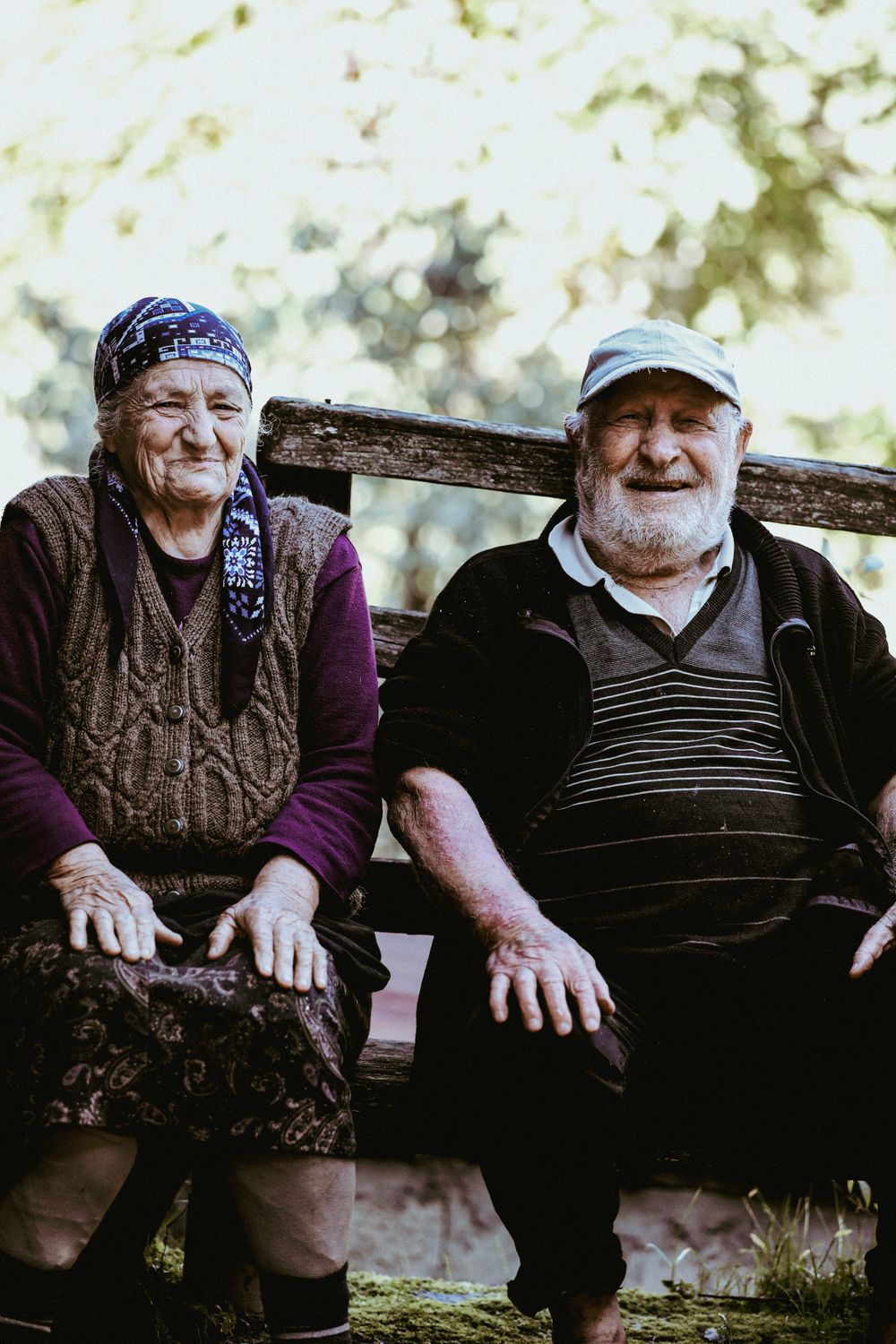
Perhaps the most important improvement after 60 is understanding that getting older doesn’t mean life has stopped offering new possibilities.
People continue discovering interests, forming friendships, traveling, learning, creating, and pursuing personal goals well beyond their 60th birthdays.
Some return to education. Others begin volunteering, join community groups, start gardening projects, or finally explore activities they postponed for decades.
There is no universal timetable for accomplishing personal goals.
Turning 60 doesn’t mean every opportunity has passed. It simply means entering another stage of life with more experiences behind you and potentially many interesting experiences still ahead.
The Best Part of Life After 60 May Be the Simplicity
Getting older comes with changes and responsibilities that shouldn’t be ignored. Retirement planning, family circumstances, and changing priorities can all require adjustment.
But life after 60 can also bring something many people spend decades searching for: a clearer understanding of what genuinely makes them happy.
It might be a peaceful morning, a meaningful friendship, a comfortable home, or the freedom to spend an afternoon doing absolutely nothing.
The most rewarding part isn’t necessarily having more possessions or an impressive retirement lifestyle. It’s learning to appreciate what makes ordinary days worthwhile.
And sometimes, that is what makes life after 60 surprisingly beautiful.