Abdul El-Sayed Pushes Back After Trump Claims Michigan Senate Nominee “Hates” Jewish People
Abdul El-Sayed is barely a week into his new role as Michigan’s Democratic nominee for the U.S. Senate, and the general election fight has already become deeply personal.
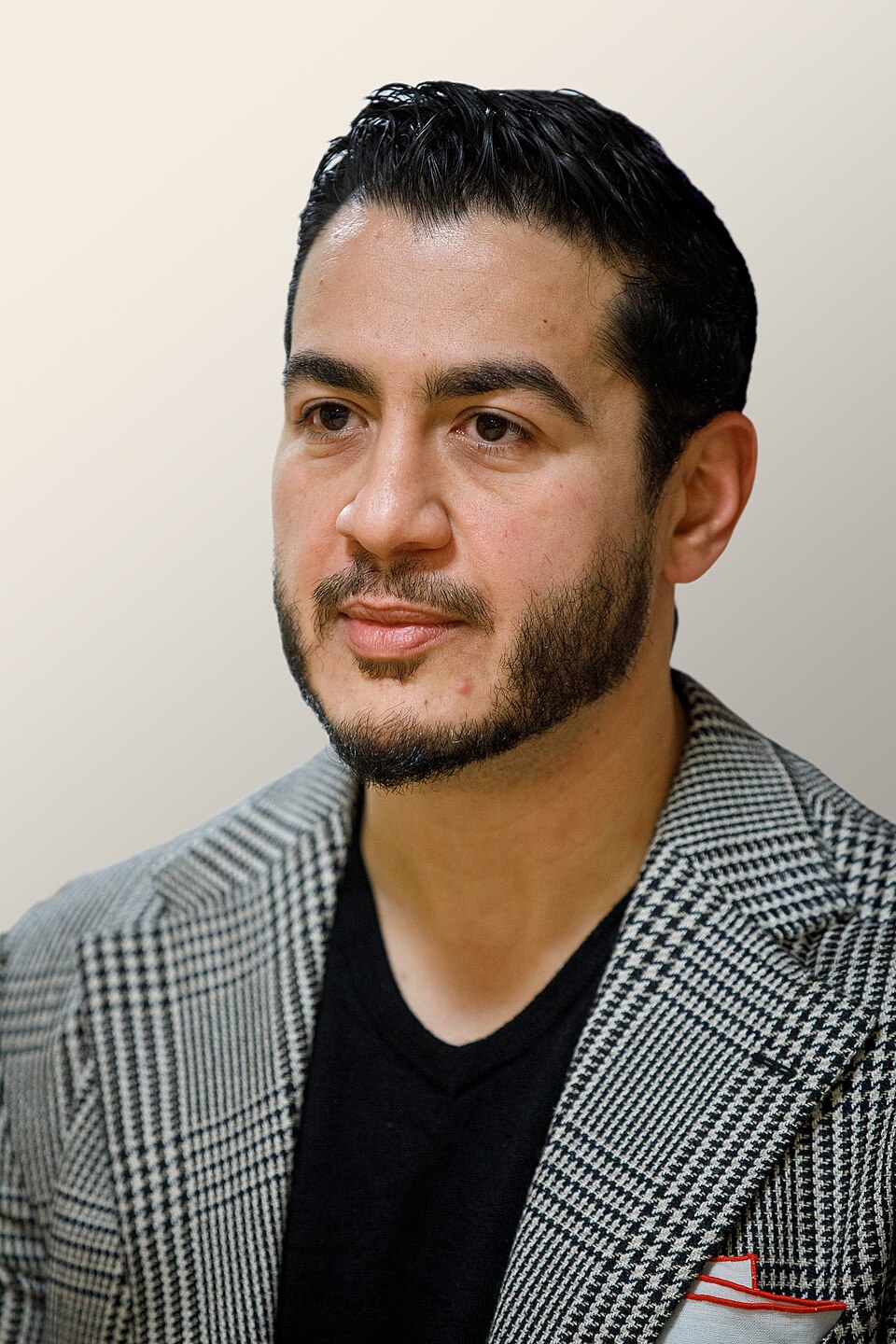
Appearing on NBC’s “Meet the Press” on Sunday, August 9, El-Sayed directly responded to President Donald Trump’s accusation that the progressive Democrat hates Jewish people and Israel. Rather than sidestepping the issue, El-Sayed rejected the characterization and spoke about growing up around Jewish families and his view that political disagreement over Israel should not be confused with hostility toward Jewish people.
“I love and revere Judaism and the Jewish people,” El-Sayed told host Kristen Welker, describing Jewish people as a positive influence in his life and recalling being invited to Passover seders while growing up.
The exchange offered an early preview of what could become one of the most closely watched Senate races of the 2026 midterms. El-Sayed is trying to move from a bruising Democratic primary into a statewide contest against Republican nominee Mike Rogers, while Trump and other Republicans are already working to define him for Michigan voters.
Trump Goes After El-Sayed Following Primary Victory
Trump’s attack came almost immediately after El-Sayed emerged from Michigan’s Democratic primary.
In a Truth Social post following the result, Trump called El-Sayed a “Communist loser” and accused him of hating Jews and Israel. Trump later expanded on the accusation during remarks in Las Vegas, saying El-Sayed did not love Jewish people or Israel and claiming that hatred “burns in his heart.”
El-Sayed does not identify as a communist. Reuters reported that the former public health official campaigned largely on health care, economic issues and ending unconditional U.S. military assistance to Israel. His agenda also includes Medicare for All and reducing the influence of corporate money in politics.
His criticism of Israeli government policy became one of the defining issues of the Democratic primary. El-Sayed has argued that American tax dollars should be spent on health care, schools and infrastructure at home rather than providing unconditional military assistance abroad. He has also sharply criticized Israel’s actions in Gaza and opposes continued unconditional U.S. military aid.
During his “Meet the Press” appearance, however, he drew a clear distinction between those policy positions and his feelings toward Jewish people.
El-Sayed told Welker that he grew up in a community with a significant Jewish population and said his political vision includes Jewish and Israeli voices participating in discussions about what peace should look like.
A Narrow Win Put El-Sayed On The National Stage

The controversy comes after an extraordinarily close Democratic primary.
With nearly all ballots counted, El-Sayed finished with about 48.5% of the vote, while U.S. Rep. Haley Stevens received roughly 47.5%. State Sen. Mallory McMorrow, who had withdrawn from the race, still received about 4%. The Associated Press called the race for El-Sayed on August 5.
The victory represented a major win for the Democratic Party’s progressive wing. Stevens had support from prominent establishment Democrats, while El-Sayed received backing from progressive figures including Sen. Bernie Sanders and Rep. Alexandria Ocasio-Cortez.
El-Sayed, a physician and former Detroit health director, previously ran for Michigan governor in 2018. His Senate campaign has emphasized Medicare for All, lowering household costs and limiting corporate influence in politics.
On “Meet the Press,” Welker also pressed him on how Medicare for All would be funded. El-Sayed said billionaires should pay more and acknowledged that some ordinary workers could also pay higher taxes, arguing that those taxes would replace premiums currently paid to private health insurers.
The General Election Fight Is Already Taking Shape
El-Sayed now faces Republican Mike Rogers in November for the Senate seat being vacated by retiring Democratic Sen. Gary Peters. Michigan remains one of the country’s most important political battlegrounds, and Reuters described the seat as essential to Democratic hopes of winning control of the Senate.
Trump carried Michigan in the 2024 presidential election, making El-Sayed’s ability to win swing voters especially important. Republicans are expected to emphasize his progressive positions, particularly his views on Israel, Medicare for All and immigration.
El-Sayed, meanwhile, appears determined to bring the conversation back to pocketbook issues. His argument is that voters should judge him on health care, grocery prices, wages and how government spends their tax dollars rather than on labels attached to him by political opponents.
But Trump’s comments guarantee that questions about Israel, antisemitism and El-Sayed’s progressive politics will remain part of the campaign.
His appearance on “Meet the Press” showed how he plans to respond: reject the accusation personally, defend his criticism of Israeli government policy and insist that the two positions are not contradictory.
With Michigan potentially helping determine control of the U.S. Senate, that argument will now be tested far beyond a Sunday morning television interview.