From Typing to Shop: 6 High School Classes That Have Changed Since Boomers Were Students
Some school memories come with their own soundtrack: typewriter keys clattering, sewing machines humming, a shop teacher calling for everyone’s attention. Others bring back the nerves of driving beside an instructor or the relief of finally making a stubborn column of figures balance.
For many baby boomers, these classes made adulthood feel close enough to practice. Students could learn to prepare dinner, build something useful, or handle office paperwork before collecting their diplomas. Calling these subjects “gone forever,” however, misses the more interesting story. Some became harder to find.
Others changed names, tools, or teaching methods. Not every school offered them, and not every student took them. Yet these six classroom traditions remain familiar reminders of an education that put everyday responsibilities within reach.
Their appeal was easy to understand. A lesson had consequences beyond a grade: a meal could burn, a joint could wobble, or an account could remain unbalanced. Students could see why getting the details right mattered outside school.
Home Economics
A home economics lesson could begin with measuring flour and end with everyone waiting to see whether a cake would rise. Between those moments came instructions about timing, cleanliness, cost, and following directions.
The subject extended beyond cooking. Students might study nutrition, clothing care, sewing, household budgets, or child development. Although often associated with girls and traditional expectations about homemaking, its practical demands involved planning and judgment.
Those lessons have not disappeared. The American Association of Family and Consumer Sciences explains the field’s evolution into family and consumer sciences, a name adopted in 1994. Nutrition, personal finance, parenting, and relationships remain part of its scope.
The classroom may look different, but feeding a household and managing its resources still require skills nobody acquires automatically.
Shop Class
Shop class offered an achievement students could hold. A wooden project or carefully shaped piece of metal made progress visible in a way a marked worksheet rarely could.
Students learned to measure, cut, drill, assemble, and work safely. Checking a measurement twice made sense when the next step could permanently shorten a board. Sanding taught another lesson: finishing properly takes patience.
Traditional shop programs faced pressure from budgets and an increasing emphasis on college preparation. Still, reporting on vocational education makes clear that practical courses never vanished nationwide.
Some schools retained woodworking and metalworking; others incorporated similar learning into career and technical education. The tools and program names changed, while the satisfaction of making something useful remained.
Typing and Shorthand
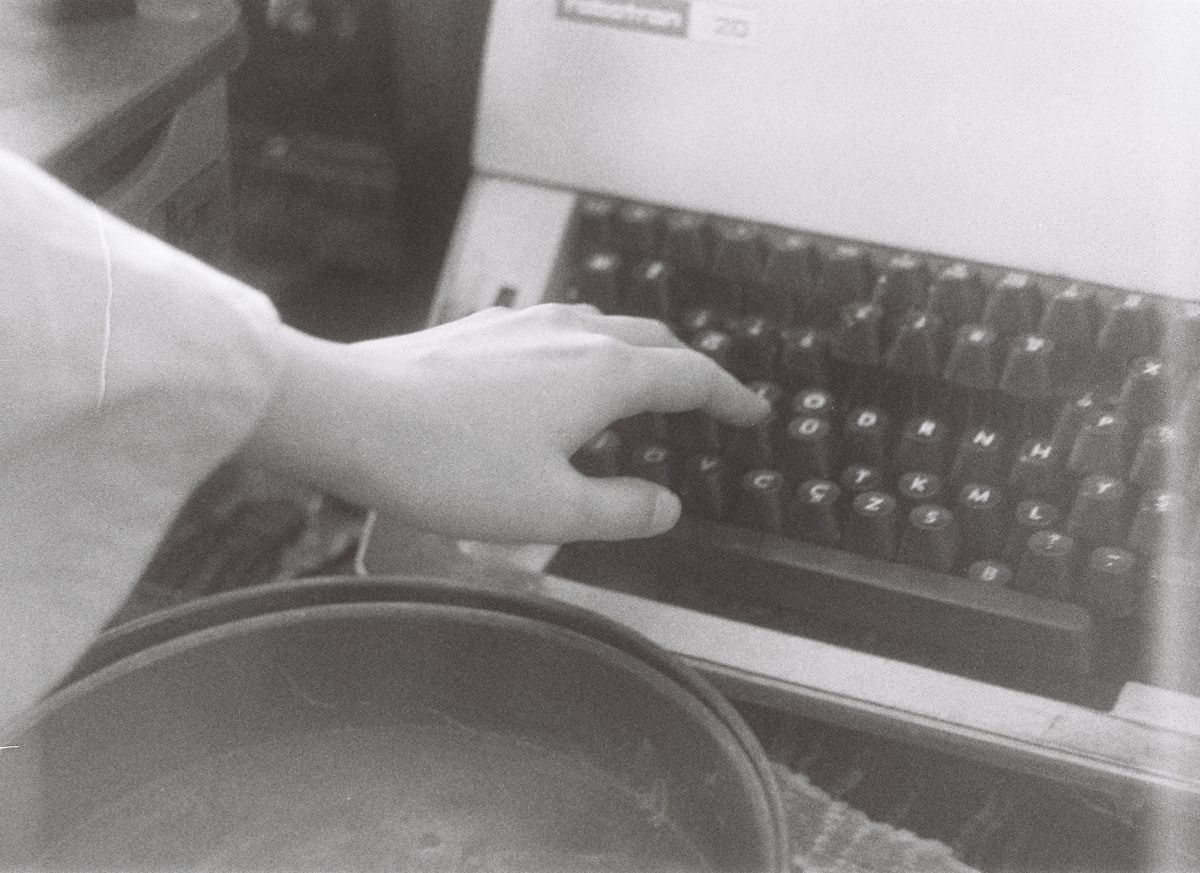
A timed typing drill could make even familiar keys feel unfamiliar. Students needed speed, but every mistake threatened the result. On a typewriter, correcting an error required more effort than tapping a delete key.
Shorthand served a different purpose. Students learned abbreviated writing systems to capture speech for later transcription. Together, these subjects offered preparation for office employment.
A 1965 Ferris High School yearbook documents typing, shorthand, and secretarial practice among its business offerings. Computers eventually transformed that preparation.
A 1990 report described shorthand and clerical electives disappearing in Long Island schools as keyboarding replaced older typing courses. Typing survived through new equipment. Shorthand lost much of its former place, leaving a particularly distinctive classroom memory.
Driver Education
Driver education carried a promise few classes could match: learning something that might eventually get you out of the house without asking for a ride.
Students studied road signs, traffic rules, hazards, and safe decisions. Depending on the program, they could also practice in a vehicle or use a simulator before facing actual traffic.
A National Highway Traffic Safety Administration review describes the history of driver education, including its widespread presence in schools through the 1970s and the changes that followed. School programs became less available as funding pressures and questions about lasting safety benefits reshaped instruction.
Driver education continued, but families increasingly encountered commercial, extracurricular, or fee-based options. For former students, the memory remains personal: hands on the wheel, an instructor watching, and freedom suddenly feeling like responsibility.
Civics and Government
Civics asked students to understand the institutions they would soon help choose. Lessons covered the Constitution, the branches of government, public affairs, and civic responsibilities.
Keeping congressional powers separate from presidential duties could feel like another test requirement. Outside school, that knowledge helped explain who could make decisions and how citizens could respond.
The National Education Association describes how students once commonly encountered several civics and government courses before the subject’s place narrowed.
Government classes remain, making “gone forever” especially misleading here. The question is how much time schools give civic learning and whether students can connect institutional knowledge with public life.
Bookkeeping
Bookkeeping turned business into a paper trail. Students recorded transactions, classified expenses, maintained accounts, and checked totals until the figures agreed. A small mistake could demand a long search. Finding it rewarded careful attention, not guesswork.
Ferris High School’s 1965 yearbook also documents bookkeeping and accounting instruction. The subject continues in updated forms: Florida Virtual School’s accounting course includes journals, ledgers, payroll, and financial statements alongside digital tools.
Across these subjects, the lasting connection is practical competence. Equipment changes; adulthood still arrives with things to make, money to manage, and decisions that matter.