10 Southern Sunday Dinner Staples That Are Slowly Disappearing
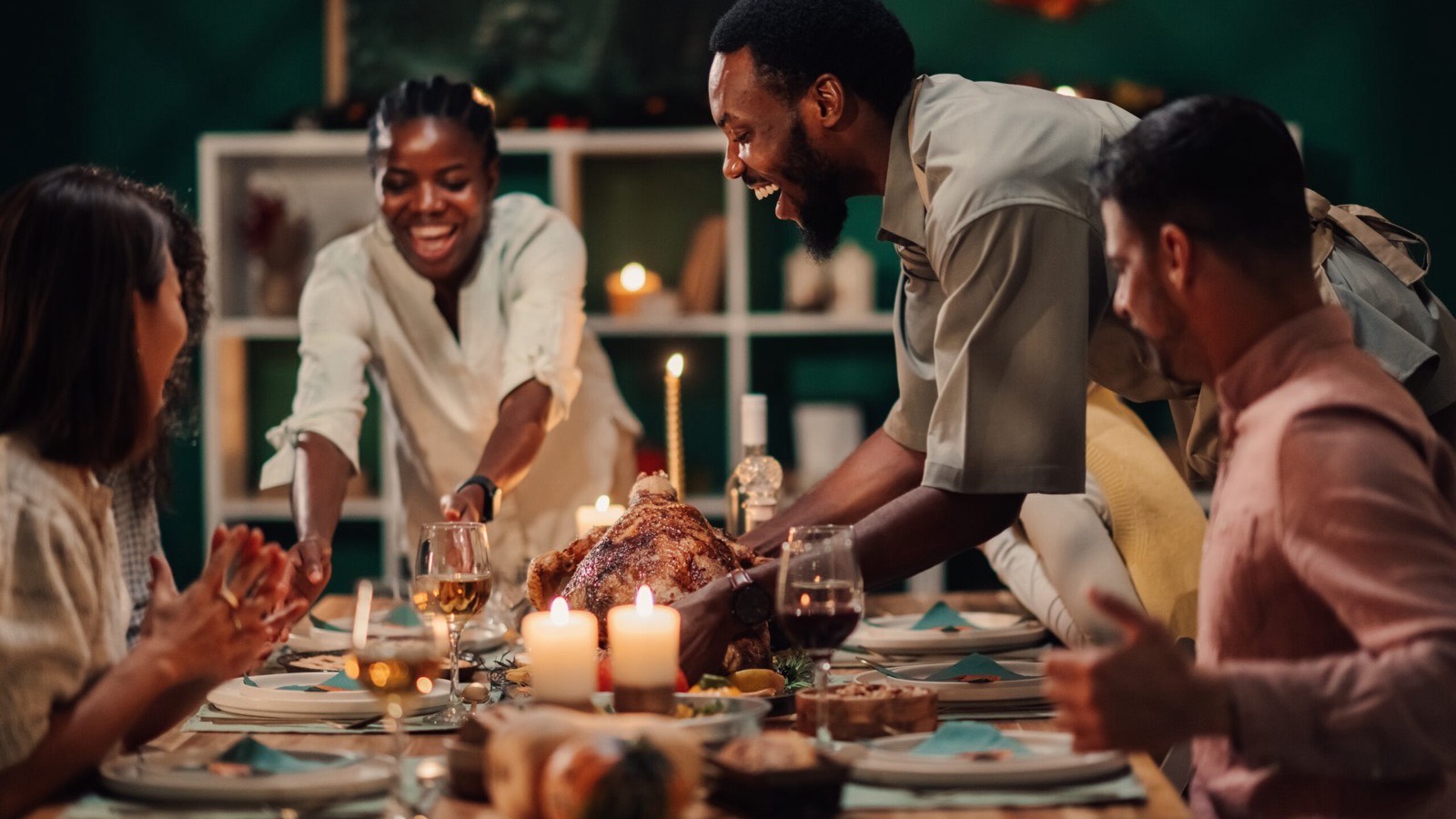
In the South, Sunday dinner was never just a meal. It was the event the entire week led up to. Families came home from church still in their good clothes, and the table was already crowded with dishes that had been started the night before.
Grandmother ruled the kitchen, and nobody left hungry. Aunts, uncles, cousins, and the preacher might all be there, and children ate at a card table on the porch. The food was rich, slow-cooked, and made entirely from scratch.
That tradition is fading. Busy schedules, smaller families, and restaurant lunches after church have taken its place in many homes. These ten Southern Sunday dinner staples are slowly disappearing, and they deserve to be remembered.
1. Fried Chicken From a Cast-Iron Skillet
Sunday fried chicken was not picked up in a bucket. Grandmother cut up a whole bird, soaked it, dredged it in seasoned flour, and fried it in lard or shortening in a black iron skillet. It took most of the morning.
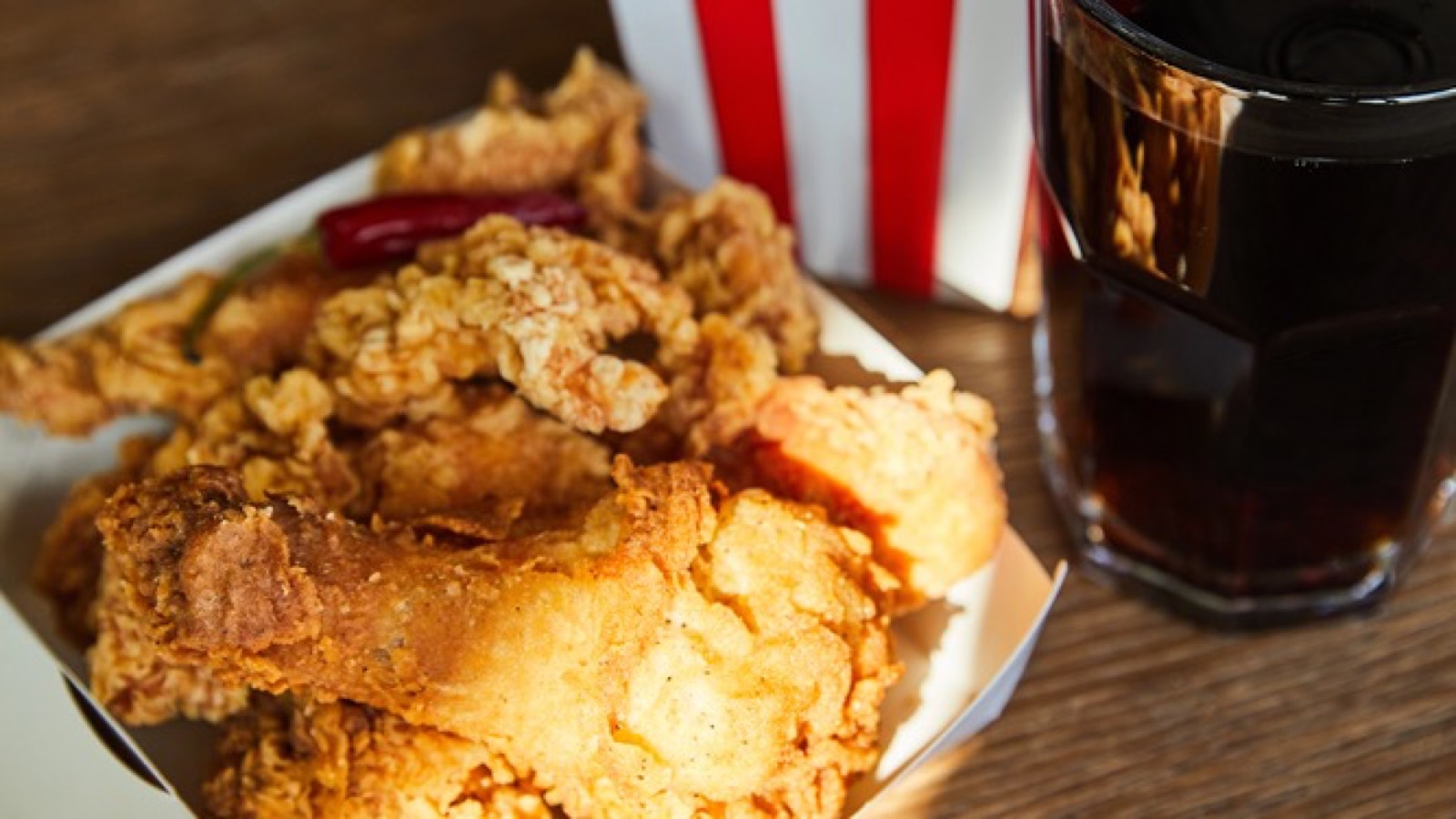
The result was crisp, juicy, and still good cold at supper. Few people fry chicken at home anymore because of the time and the mess. Fast-food chains now provide most of the fried chicken Southerners eat.
2. Chicken and Dumplings
This dish started with a stewing hen simmered until the meat fell from the bones. Flat, slick dumplings were rolled out by hand and dropped into the broth. It was thick, creamy, and deeply comforting.
Making dumplings from scratch is a skill that is not being passed down as it once was. Many younger cooks use canned biscuits or skip the dish entirely. A true pot of chicken and dumplings is becoming a rare treat.
3. Collard and Turnip Greens With Pot Likker
A big pot of greens simmered for hours with a ham hock or a piece of salt pork. The cooking liquid, called pot likker, was as prized as the greens. People sopped it up with cornbread.
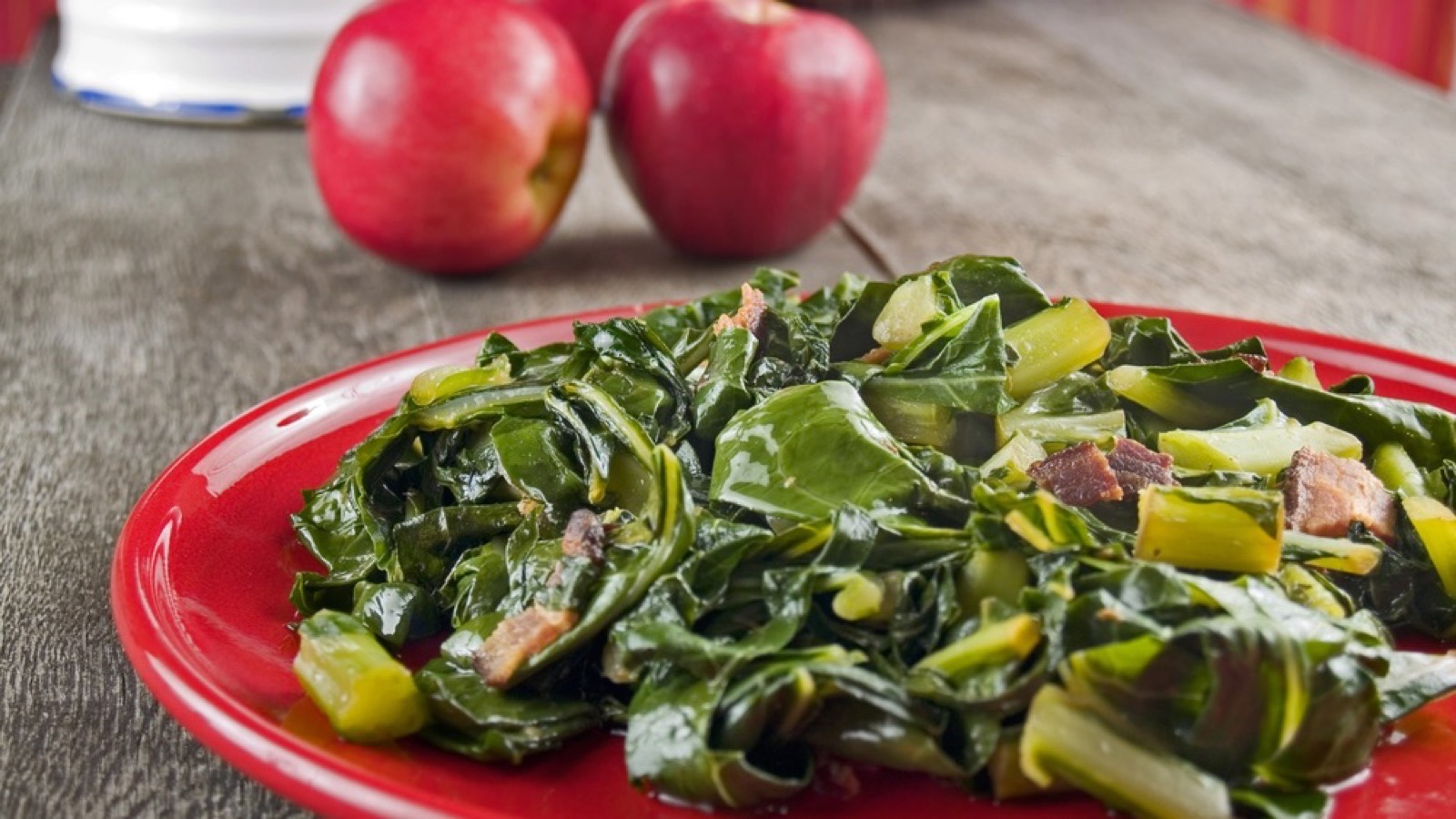
Greens take time to wash, strip, and cook down. Bagged and canned versions have replaced the fresh ones in many kitchens. The old habit of drinking the pot likker is nearly forgotten.
4. Skillet Cornbread
Cornbread was on the table at every Sunday dinner. It was made with cornmeal and buttermilk and baked in a hot skillet greased with bacon drippings. The crust was crunchy, and the inside was tender.
Boxed mixes have taken over in many homes, and they are much sweeter than the traditional kind. Real skillet cornbread depends on a well-seasoned pan and a practiced hand. Companies like Lodge Cast Iron still make the skillets, but fewer cooks know how to use them.
5. Butter Beans and Field Peas
Fresh butter beans, crowder peas, and purple hull peas came straight from the garden. Children sat on the porch shelling them into bowls. The beans were cooked slowly with a bit of pork until creamy.
Shelling peas by hand is a memory for most people now. Fresh field peas are hard to find outside of farmers’ markets. Frozen ones are a decent substitute, but they are not the same.
6. Squash Casserole and Stewed Okra
Summer vegetables were cooked until soft and rich. Yellow squash was baked with onions, cheese, and cracker crumbs. Okra was stewed with tomatoes or fried in cornmeal.
These dishes depended on a garden just outside the back door. As fewer families grow their own vegetables, the dishes appear less often. They remain favorites at church suppers and family reunions.
7. Homemade Biscuits
No Sunday table was complete without a pan of hot biscuits. They were made with soft Southern flour, lard, and buttermilk, and they were mixed by feel. Leftovers were eaten later with jam or sorghum syrup.

Canned and frozen biscuits have largely replaced them. Many people under 40 have never made a biscuit from scratch. The light touch that Grandmother had is hard to learn from a recipe.
8. Congealed Salad
Every Sunday spread had a shimmering congealed salad. It might be lime gelatin with pineapple and cottage cheese or cherry gelatin with nuts and cola. It sat on a lettuce leaf with a spoonful of mayonnaise.
Southerners held onto gelatin salads longer than the rest of the country. Even there, they are now seen mostly at holidays and funerals. Younger relatives tend to regard them with suspicion.
9. Sweet Tea Made by the Gallon
Sweet tea was brewed strong, sweetened while hot, and poured over ice. It was served in tall glasses from a big pitcher, and it was the only drink offered. Some families added lemon or a sprig of mint.
Bottled tea and soft drinks have replaced the homemade pitcher on many tables. Health concerns about sugar have also cut back the old recipes. A pitcher of real sweet tea is still the surest sign of a Southern home.
10. Layer Cakes and Banana Pudding
Dessert was a point of pride. Tall coconut cakes, caramel cakes, and pound cakes sat on glass stands. Banana pudding was layered with vanilla wafers and topped with browned meringue.

A real caramel cake takes patience and skill, since the icing must be cooked to exactly the right stage. Many of these are forgotten desserts from Grandma’s kitchen that deserve a comeback. Bakery cakes and boxed pudding now fill in.
Why Sunday Dinner Is Fading
The biggest reason is time. A traditional Sunday dinner took hours of work, much of it done on Saturday. With most women now working outside the home, few have a day to spend cooking.
Families are also more scattered. Children move away for jobs, and grandparents may live hundreds of miles from their grandchildren. The big house where everyone gathered has often been sold.
Eating out has become the easy choice. After church, many families head to a restaurant instead of home. The pattern mirrors the way the Sunday family dinner has declined across America.
The History on the Table
Southern Sunday food carries a deep history. Many of its dishes were shaped by enslaved Africans and their descendants, who combined African, Native American, and European ingredients and methods. Greens, okra, field peas, and rice dishes all reflect that heritage.
Hoppin’ John, a dish of field peas and rice, is one example, and History.com traces its roots to the Carolina Lowcountry. The Gullah Geechee people of the coastal Southeast preserved many of these foodways. The dishes on a Sunday table tell the story of the people who created them.
That is part of what is at risk. When a recipe is no longer cooked, the memory and the meaning behind it fade too. Each lost dish is a small piece of family history gone.
Keeping the Tradition Alive
Some families are finding new ways to hold on. They gather once a month instead of every week, and everyone brings a dish. Younger relatives are asking grandmothers to teach them before it is too late.
Even one or two of these dishes can bring back the feeling. A pan of cornbread and a pot of greens are enough to make a Sunday feel special. Those who grew up in the South know many phrases only Southerners use, and “Y’all come eat” may be the best of them. What was always on your family’s Sunday table, and does anyone still make it the way Grandmother did?