Malcolm Kenyatta Slams Trump’s ‘Protecting Women’ Message After Supreme Court Trans Athletes Ruling
The Supreme Court’s latest ruling on transgender athletes quickly became a new flashpoint in America’s culture war, with President Donald Trump celebrating the decision and Pennsylvania Democrat Malcolm Kenyatta firing back. At the center of the clash is a question that has divided schools, states, courts, athletes, parents, and politicians: who gets to compete in girls’ and women’s sports?
On Tuesday, June 30, 2026, the U.S. Supreme Court ruled that Idaho and West Virginia did not discriminate against two transgender athletes when those states barred them from competing on girls’ and women’s teams. The ruling came in Little v. Hecox and West Virginia v. B.P.J., and the court’s docket shows the judgment was reversed and remanded, with Justice Brett Kavanaugh delivering the majority opinion.
A Supreme Court Ruling Becomes a Political Firestorm

The decision immediately drew praise from conservatives who have long argued that girls’ and women’s sports should be separated by biological sex. Trump responded on Truth Social by calling the ruling a “BIG WIN” and saying the court had ruled against “men playing in women’s sports,” according to McGill Media’s report on the reaction.
But Kenyatta, a Democratic National Committee vice chair and Pennsylvania state lawmaker, took direct aim at Trump’s framing. McGill Media reported that Kenyatta challenged Trump’s claim to be protecting women and girls by pointing to Trump’s civil liability in the E. Jean Carroll case and his past association with Jeffrey Epstein.
Kenyatta’s response was blunt and designed to puncture what Democrats see as Republican moral positioning on women’s safety. His message was not simply about sports. It was about credibility.
Kenyatta Questions Trump’s Moral Authority
Kenyatta’s central argument was that Trump should not present himself as a defender of women while carrying the political and legal baggage surrounding the Carroll case. ABC News reported that the U.S. Supreme Court declined to hear Trump’s appeal of the $5 million judgment in the Carroll case, after a Manhattan jury found him liable for sexual abuse and defamation.
That fact gave Kenyatta an opening to turn Trump’s celebration into a broader attack. Rather than debating the sports ruling alone, he questioned whether Trump had the standing to speak about protecting women at all.
This is why the exchange caught attention. The trans athletes ruling is already one of the most emotional legal issues in American politics. Trump framed it as a victory for women’s sports. Kenyatta reframed it as hypocrisy.
What the Court Actually Decided
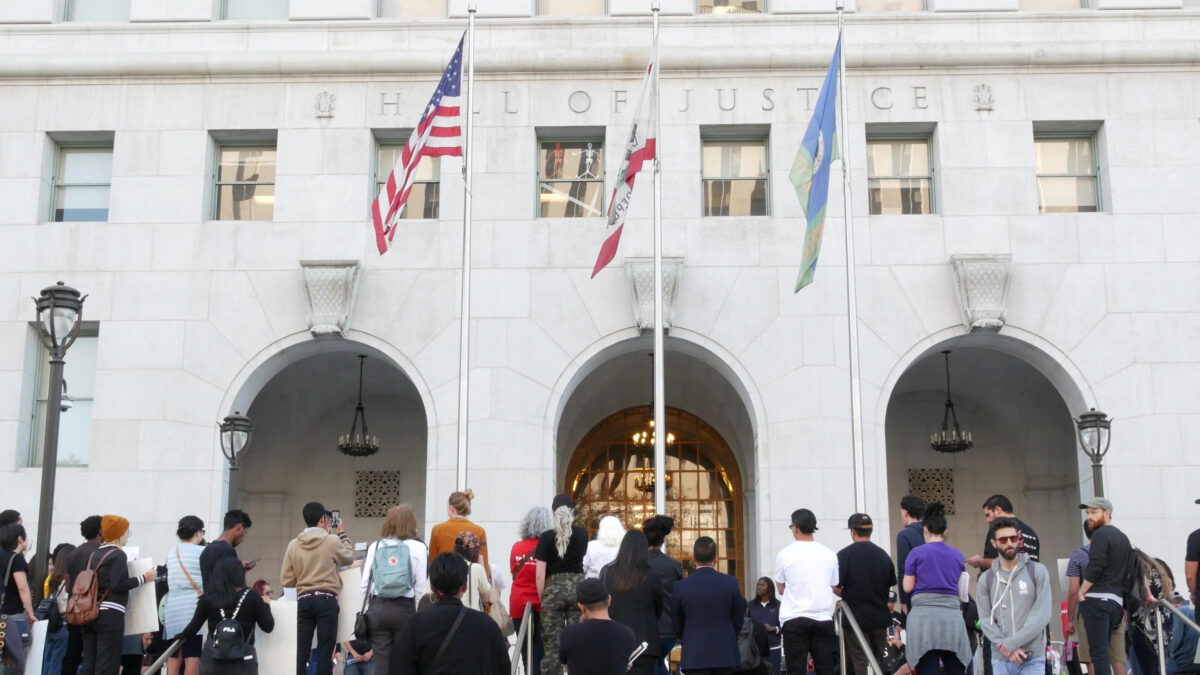
The Supreme Court did not create a nationwide requirement that every state ban transgender girls and women from girls’ and women’s teams. Instead, the ruling upheld the ability of states such as Idaho and West Virginia to enforce their bans. The 19th reported that the decision is formally limited to those two states, though it is expected to influence similar laws in 25 other states.
The cases involved Lindsay Hecox in Idaho and Becky Pepper-Jackson in West Virginia, two transgender students who challenged state restrictions. The court considered whether the bans violated Title IX, the federal law prohibiting sex-based discrimination in education, or the Equal Protection Clause of the Fourteenth Amendment.
Justice Kavanaugh wrote that schools may maintain girls’ and women’s sports based on biological sex, according to The 19th’s summary of the majority opinion. The liberal justices agreed on the Title IX question but disagreed with the majority’s equal protection analysis, arguing that the constitutional claims deserved more careful treatment.
Why the Ruling Matters Beyond Sports
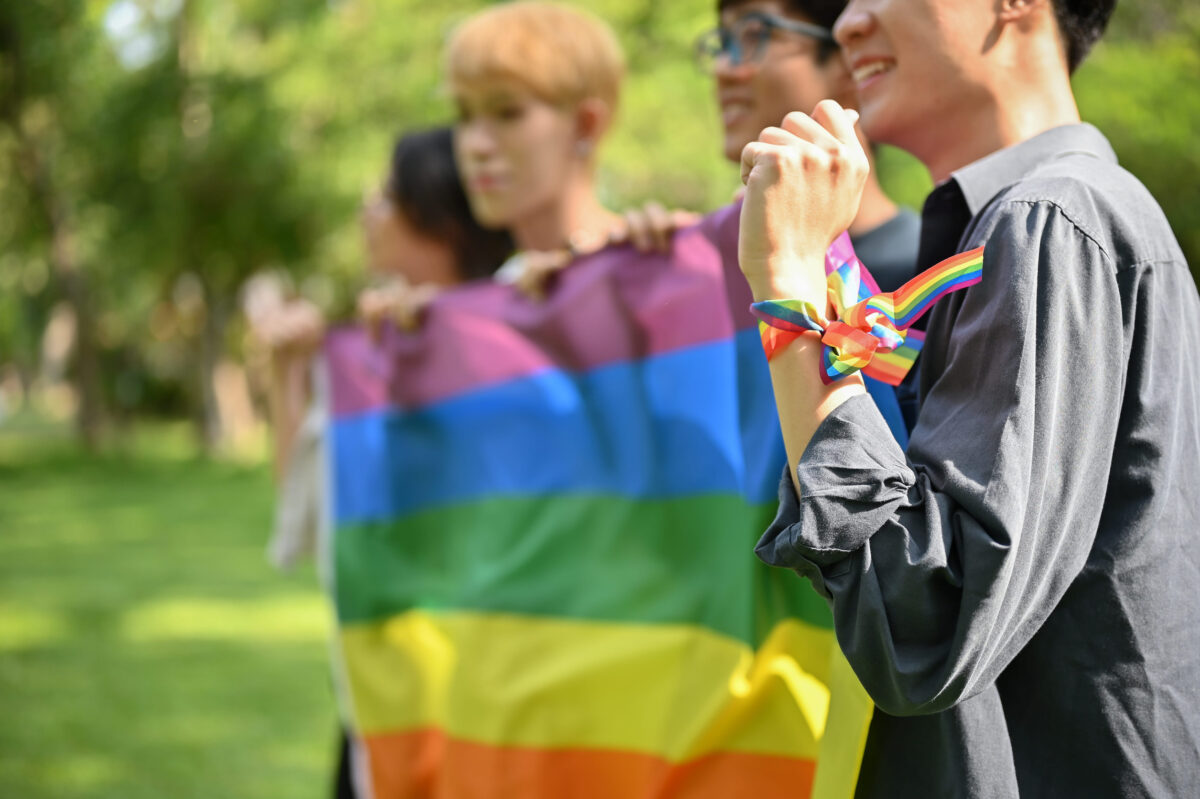
This ruling lands in a country already exhausted by battles over gender identity, school policy, parental rights, civil rights, and political messaging. For supporters of the bans, the decision is a long-awaited affirmation that states can protect competitive fairness and safety in female sports. For LGBTQ advocates, it is another painful sign that transgender students are being pushed further to the margins.
The emotional weight of the issue stems from both sides claiming to protect young people. Conservatives often say they are defending girls from unfair competition. LGBTQ rights groups say transgender students are being singled out, excluded, and turned into political targets.
That is what makes the Kenyatta-Trump clash so combustible. It is not just a legal disagreement; it is a fight over who gets to define protection, who gets believed, and whose safety becomes politically useful.
Trump Sees a Culture-War Victory
For Trump, the ruling fits neatly into a broader political message. His administration has pushed restrictions on transgender athletes and argued that allowing transgender girls and women to compete in female categories denies opportunities to cisgender female athletes. The 19th reported that federal agencies under Trump have pursued investigations into schools with inclusive policies and, in some cases, threatened funding consequences.
That gives the Supreme Court ruling major political value for the White House. It lets Trump tell supporters that his side is winning not only elections, but also court battles over cultural issues that have become central to conservative politics.
But Kenyatta’s response shows Democrats are not willing to let Trump define women’s protection without a fight.
The Fight Over “Protecting Women” Is Far From Over
The phrase “protecting women” has become one of the most powerful weapons in this debate. But it means very different things depending on who is using it.
For Trump and his allies, it means preserving female sports categories. For Kenyatta and many Democrats, it raises a broader question: how can a politician claim to protect women while dismissing or fighting accountability in cases involving women’s allegations?
That is the tension driving this story. The Supreme Court delivered a legal ruling. Trump turned it into a political celebration. Kenyatta turned that celebration into an accusation of hypocrisy.
And now, the country is left with the larger fight: whether this ruling will settle the debate or simply push it into more statehouses, more school boards, more campaign ads, and more bitter public confrontations.
The court has spoken for now, but America’s argument over sports, gender, fairness, and political credibility is nowhere near finished.