4 Fruits You Should Stop Peeling And Eat With The Skin
Many people automatically peel fruits before eating them, believing that the skin is simply a tough outer layer that should be removed. While peeling is sometimes necessary for taste, texture, or safety, some fruits become more nutritious when you eat them whole. The skin of many fruits contains fiber, antioxidants, vitamins, and plant compounds that can support overall health.
By removing the peel, you may be throwing away some of the fruit’s most beneficial parts. Of course, wash fruits thoroughly before eating the skin, especially if they are not organically grown. Cleaning the surface helps remove dirt, residues, and other unwanted substances.
Here are four common fruits you should consider eating with the skin instead of peeling.
Apples
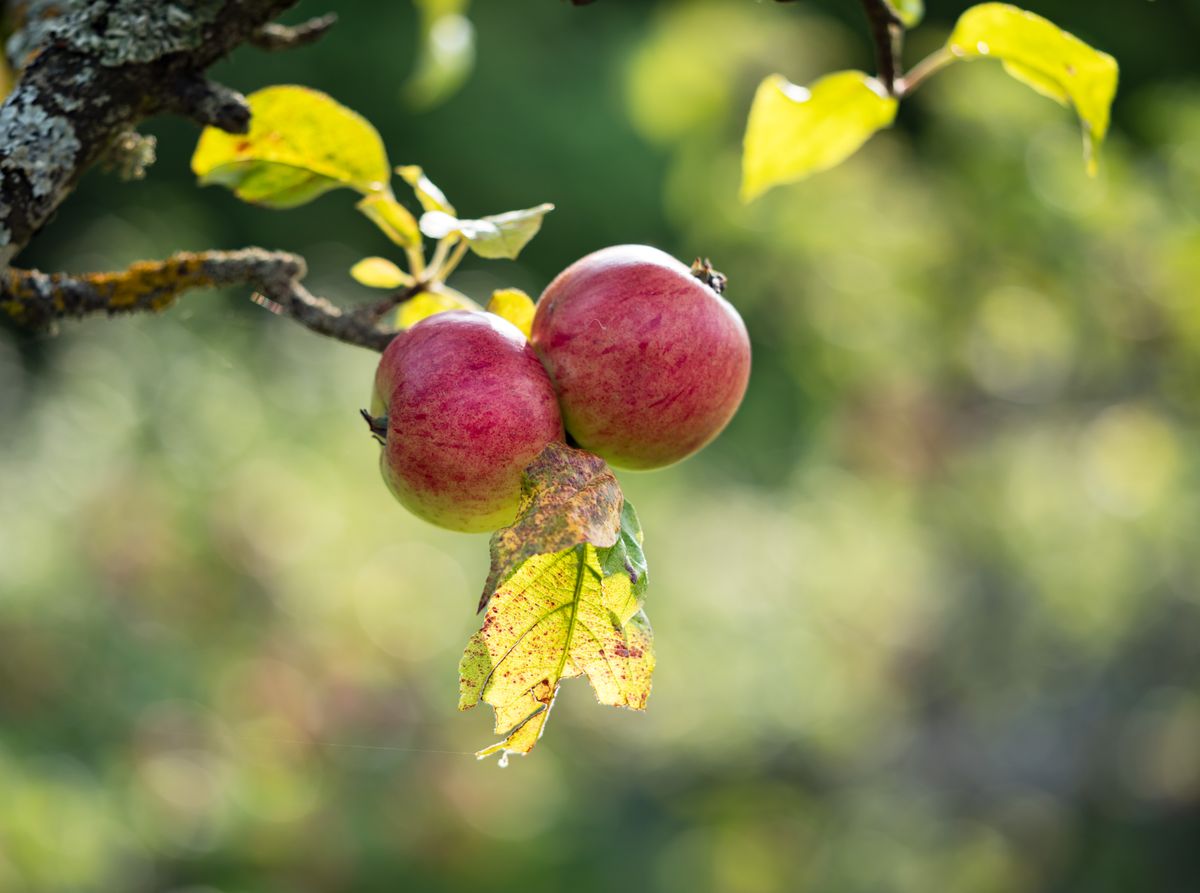
Apples are among the most commonly peeled fruits, especially for cooking or baking. However, the skin contains many important nutrients that make the fruit even healthier.
Apple peels are rich in dietary fiber, which supports healthy digestion and helps you feel full for longer. Fiber can also help maintain stable blood sugar levels and support heart health. When you peel an apple, you lose a significant portion of its fiber content.
The skin also contains antioxidants, including a plant compound called quercetin. Antioxidants help protect the body’s cells from oxidative stress caused by unstable molecules called free radicals. These compounds are associated with supporting the body’s natural defenses.
Another reason to keep the peel is that it contains beneficial plant chemicals that are not found in the same amounts in the flesh. These compounds contribute to the apple’s protective properties.
The best way to enjoy an apple is to wash it well under running water, gently rub the surface, and eat it whole. Whether you choose red, green, or yellow varieties, keeping the skin on can add both nutrition and texture.
Pears
Like apples, people often peel pears before eating them, especially in desserts and fruit salads. However, the pear’s skin contains valuable nutrients, so it’s worth keeping.
Pear skin provides a good source of dietary fiber, which plays an important role in digestion. Eating enough fiber can support regular bowel movements and contribute to a healthier gut environment.
The outer layer of pears also contains antioxidants and flavonoids, which are natural compounds found in many plants. These substances help protect plant cells and may offer health benefits when included in a balanced diet.
Pear skin may feel slightly different from the soft flesh, but many people find that eating the fruit whole is more satisfying. The peel adds a mild chewiness and enhances the fruit’s natural flavor.
Before eating pears with the skin, wash them carefully. If the fruit has a waxy coating, rinsing and gently scrubbing it can help remove surface residue.
Peaches
Some people dislike the fuzzy texture of peach skin and remove it right away. However, that fuzzy outer layer contains nutrients that are worth considering.
Peach skin contains fiber, vitamins, and antioxidants. The colorful pigments in the skin are linked to plant compounds that help protect the fruit from environmental damage. These same compounds can support a healthy diet when humans consume them.
The peel also adds flavor. Many people notice that peaches eaten with the skin have a stronger, more complex taste compared with peeled peaches. The skin provides a slight contrast to the fruit’s juicy softness.
If the fuzz bothers you, wash the peach thoroughly and rub it gently before eating. Choosing ripe peaches can also help because the skin becomes softer and blends better with the fruit’s natural sweetness.
Peaches are not only delicious snacks but also useful additions to salads, smoothies, and breakfast bowls. Keeping the skin on makes them even more nutritious.
Plums
Plums are another fruit that is commonly eaten without peeling, but some people still remove the skin because of its slightly tart flavor. However, the skin is one of the fruit’s healthiest parts.
Plum skins contain antioxidants, including anthocyanins, which give certain varieties their deep red, purple, or blue colors. These natural pigments are important plant compounds that contribute to the fruit’s nutritional value.
The skin also increases the fruit’s fiber content, helping support digestion and fullness. Since plums are already small and convenient, eating them whole is an easy way to get the maximum benefit.
Many people enjoy the contrast between the sweet flesh and slightly tangy skin. This combination creates a balanced flavor that makes plums a popular snack.
As with other fruits, wash plums carefully before eating. The skin is thin, so you don’t need to peel them or do any special preparation.
Why Eating Fruit Skin Can Be Beneficial
Fruit skins often serve as a protective barrier, meaning they naturally contain compounds designed to protect against sunlight, insects, and environmental stress. These same compounds can offer nutritional benefits when humans consume them.
The biggest advantages of eating fruit skins include:
- More fiber: The skin often contains a large amount of the fruit’s total fiber, which supports digestion and healthy cholesterol levels.
- More antioxidants: Many protective plant compounds are concentrated near the outer layer.
- Less food waste: Eating the whole fruit reduces waste and lets you get more value from your food.
- More flavor and texture: Skins can add a pleasant crunch, chewiness, or slight tartness.
However, not every fruit peel is meant to be eaten. Some fruit skins are tough, bitter, or difficult to digest. Always consider the fruit type and make sure it is properly cleaned.
Tips for Safely Eating Fruit Skins
Before eating fruit with the skin, follow a few simple steps:
Wash fruits under clean running water.
Gently rub the surface with your hands or a produce brush.
Remove any damaged or spoiled areas.
Choose fresh fruits whenever possible.
If you are unsure about a particular fruit’s peel, check whether it is commonly eaten.
If you have allergies, digestive conditions, or other dietary concerns, it may help to seek personal advice from a healthcare professional.
Final Thoughts
Peeling fruit has become a common habit, but it may mean losing some of the nutrients nature provides. Apples, pears, peaches, and plums all have edible skins that contain fiber, antioxidants, and other beneficial plant compounds.
The next time you reach for one of these fruits, consider leaving the peel on. With proper washing and preparation, eating the skin can be a simple way to make your snack healthier, reduce waste, and enjoy the fruit’s full benefits.