8 Popular Breakfast Foods That May Help Prevent Dementia.
Breakfast is often called the most important meal of the day, but it may do more than provide morning energy. Researchers have increasingly studied how everyday eating habits, including what people eat in the morning, may influence long-term brain health.
While no single food can prevent dementia or guarantee protection against cognitive decline, a balanced diet rich in certain nutrients has been associated with better brain function and a lower risk of age-related cognitive problems. Experts say the choices people make repeatedly over many years, including breakfast habits, can contribute to overall health.
From nutrient-rich oats to antioxidant-packed berries, several popular breakfast foods contain compounds that support brain function, blood vessel health, and protection against cellular damage.
Here are some breakfast foods that scientists and nutrition experts often highlight when discussing healthy aging and brain health.
Oatmeal
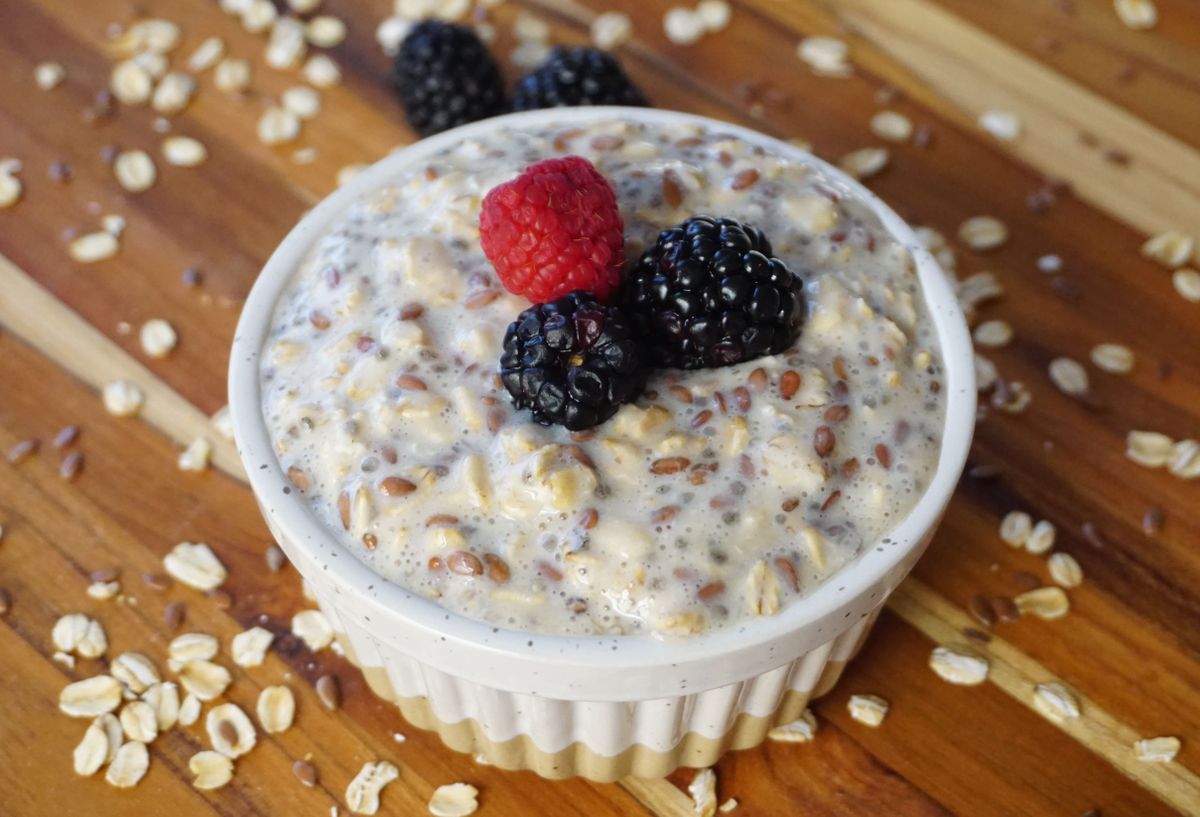
Oatmeal is a common breakfast choice worldwide, and its benefits extend beyond keeping people full until lunchtime.
Oats are rich in soluble fiber, particularly a type called beta-glucan. This fiber helps support healthy cholesterol levels, which is important because cardiovascular health is closely linked to brain health. The brain depends on a strong blood supply, and conditions that affect blood vessels can also influence cognitive function.
Oats also provide important nutrients, including magnesium, iron, and antioxidants. Some varieties contain compounds called avenanthramides, which have antioxidant and anti-inflammatory properties.
A simple bowl of oatmeal can become even more beneficial when combined with other brain-supporting foods such as berries, nuts, seeds, or yogurt.
However, nutrition experts recommend choosing plain oats instead of highly sweetened instant oatmeal products, which may contain large amounts of added sugar.
Eggs
Eggs have long been a breakfast staple, and one reason they are often discussed in relation to brain health is their choline content.
Choline is an essential nutrient the body uses to produce acetylcholine, a chemical messenger involved in memory and learning. Adequate choline intake supports normal brain function.
Eggs also contain high-quality protein and several vitamins, including vitamin B12. Vitamin B12 helps maintain healthy nerve cells, and low levels can contribute to neurological problems.
For most people, eggs can be part of a balanced breakfast when eaten alongside vegetables, whole grains, or other nutrient-rich foods.
How you prepare eggs also matters. Boiled or lightly cooked eggs may be a healthier option than eggs frequently prepared with large amounts of saturated fat.
Berries
Adding berries to breakfast can provide a colorful boost of nutrients. Blueberries, strawberries, raspberries, and other berries contain antioxidants and plant compounds called flavonoids.
Research has explored the relationship between flavonoid-rich foods and cognitive health. These compounds may help reduce oxidative stress and inflammation, two processes that are associated with aging.
Berries are also naturally sweet, making them a useful alternative to adding large amounts of sugar to breakfast meals.
You can easily add them to oatmeal, yogurt, smoothies, or whole-grain cereals. Frozen berries can also be a convenient option because they retain much of their nutritional value.
Greek Yogurt
The connection between the digestive system and the brain has become a major focus of scientific research. The gut-brain relationship suggests that digestive health may influence aspects of brain function.
Greek yogurt can be a useful breakfast choice because it provides protein and, depending on the product, beneficial bacteria known as probiotics.
Some studies have investigated how gut bacteria may influence inflammation, mood, and neurological health. While researchers are still learning about the exact relationship, maintaining a healthy gut is considered an important part of overall wellness.
When choosing yogurt, experts recommend looking for options with less added sugar. You can pair plain Greek yogurt with fruit, nuts, or a small amount of natural sweetener for flavor.
Nuts and Seeds
Nuts and seeds are small foods with a high nutrient concentration. They provide healthy fats, minerals, fiber, and plant-based compounds that support overall health.
Walnuts are especially popular in discussions about brain-friendly diets because they contain omega-3 fatty acids and antioxidants. Omega-3 fats are key components of brain cell membranes and help maintain normal brain function.
Other options include almonds, chia seeds, flaxseeds, and pumpkin seeds. You can easily sprinkle these over oatmeal, yogurt, or smoothies.
Because nuts and seeds are calorie-dense, eat moderate portions.
Whole-Grain Toast
Many people choose toast for breakfast because it is fast and convenient. The type of bread makes a significant difference.
Whole-grain bread contains more fiber and nutrients compared with refined white bread. Fiber supports heart health, and cardiovascular health plays an important role in maintaining healthy brain function.
You can pair whole-grain toast with nutritious toppings such as avocado, eggs, nut butter, or cottage cheese.
Avocado, in particular, provides monounsaturated fats and other nutrients that support healthy blood vessels.
Green Tea
For people who enjoy a warm morning drink, green tea may offer additional benefits.
Green tea contains compounds called catechins, which have antioxidant properties. It also contains caffeine, which can temporarily improve alertness and focus.
Another compound in green tea, L-theanine, has been studied for its potential effects on relaxation and attention.
Although green tea is not a treatment for dementia, replacing sugary beverages with unsweetened tea can be a healthier daily habit.
Diet Patterns Matter More Than One Food
Although certain breakfast foods contain nutrients linked to brain health, experts emphasize that preventing cognitive decline involves many factors.
A person’s overall eating pattern, physical activity, sleep quality, stress levels, and management of conditions such as high blood pressure and diabetes all contribute to long-term brain health.
Many researchers have studied eating patterns similar to the Mediterranean diet and the MIND diet, which emphasize vegetables, fruits, whole grains, nuts, fish, and healthy fats. These approaches focus on consistent habits rather than individual “superfoods.”
A breakfast of oatmeal with berries and nuts, or eggs with whole-grain toast and vegetables, reflects the type of balanced approach researchers often recommend.
Building a Brain-Friendly Breakfast Routine
Creating healthier breakfast habits does not require expensive ingredients or complicated recipes. Small changes can make a difference over time.
Try replacing sugary cereals with oatmeal topped with fruit. Add nuts or seeds to yogurt. Choose whole-grain bread instead of refined options. Include protein to help maintain energy levels throughout the morning.
The goal isn’t perfection, but consistency.
As scientists continue studying dementia and cognitive aging, one message remains clear: caring for the brain begins with caring for the body. A nutritious breakfast is a simple daily opportunity to give the brain the nutrients it needs to function well throughout life.