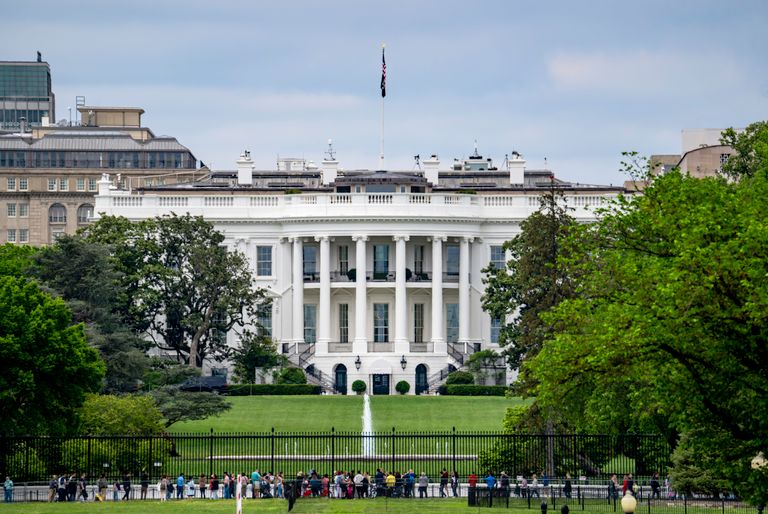
Trump’s Birthright Citizenship Push Collapses as Supreme Court Defends 158-Year American Rule
Donald Trump’s effort to rewrite one of America’s oldest citizenship rules has hit a wall at the Supreme Court.
In a major ruling issued on June 30, 2026, the justices rejected Trump’s executive order that sought to deny automatic U.S. citizenship to some children born on American soil. The decision protects birthright citizenship, a principle rooted in the 14th Amendment and followed in the United States for more than 150 years.
For Trump, it is more than a legal setback. It is a public defeat on one of the most aggressive immigration promises of his political career. For immigrant families, civil rights groups, and constitutional scholars, the ruling lands like a loud reminder that even the most powerful president cannot erase a constitutional protection with the stroke of a pen.
What Trump Tried to Change
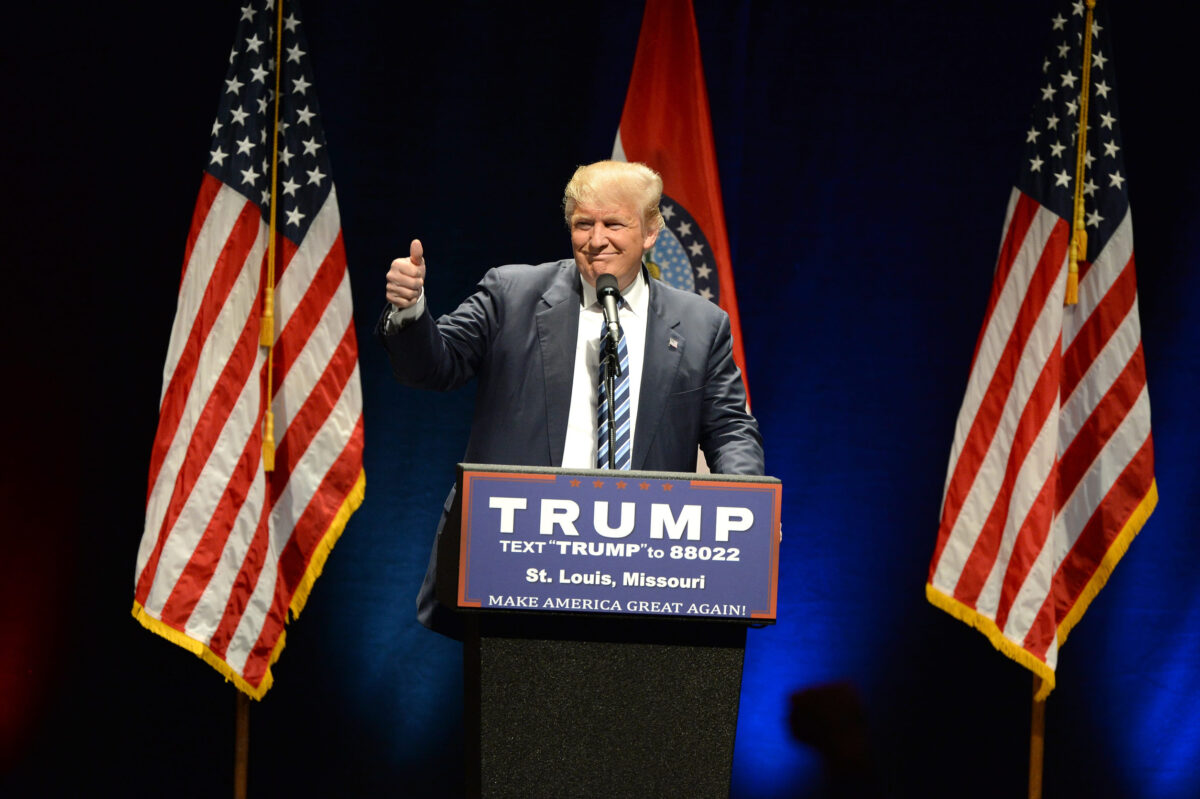
Trump signed the executive order on January 20, 2025, his first day back in office. The order targeted children born in the United States to parents who were undocumented or in the country temporarily, including some visa holders. His administration argued that these children should not automatically be considered U.S. citizens.
That argument went straight to the heart of the 14th Amendment, which provides that people born or naturalized in the United States and subject to its jurisdiction are citizens. For generations, that language has been understood to mean that nearly every baby born on U.S. soil becomes an American citizen, with narrow exceptions such as children of foreign diplomats.
Lower courts had already blocked Trump’s order before it could take effect. The Supreme Court has now left that blockade standing and made clear that the president’s order crossed a constitutional line.
How the Justices Ruled
The court ruled 6-3 against Trump’s order. Chief Justice John Roberts wrote the opinion, joined by liberal justices and conservative justices Amy Coney Barrett and Brett Kavanaugh in the outcome. Justices Clarence Thomas, Samuel Alito, and Neil Gorsuch dissented.
Roberts framed citizenship as something deeper than paperwork. In the court’s view, citizenship is the doorway to political life, legal protection, and belonging. He pointed back to the promise of the 14th Amendment after the Civil War and concluded that the court would keep that promise today.
The ruling also leaned on the historic 1898 case United States v. Wong Kim Ark, which has long supported the view that children born in the United States are citizens even when their parents are foreign nationals. Roberts rejected the administration’s attempt to read the amendment more narrowly, saying there was little evidence for that interpretation.
Why This Ruling Matters
This case was never only about immigration paperwork. It was about who gets to belong in America from the moment they are born.
Had Trump’s order survived, families could have faced a new world of uncertainty in hospitals, schools, passport offices, and government agencies. A newborn’s status could have depended not simply on the place of birth, but on the immigration status of the parents. Reuters reported that experts had warned the order could affect the legal status of as many as 250,000 babies born each year.
That is why the ruling carries such emotional force. Birthright citizenship has served as one of the clearest rules in American life. A child born in the country does not have to inherit the legal uncertainty of a parent. The Supreme Court has now said that the rule still stands.
Trump Is Not Backing Down
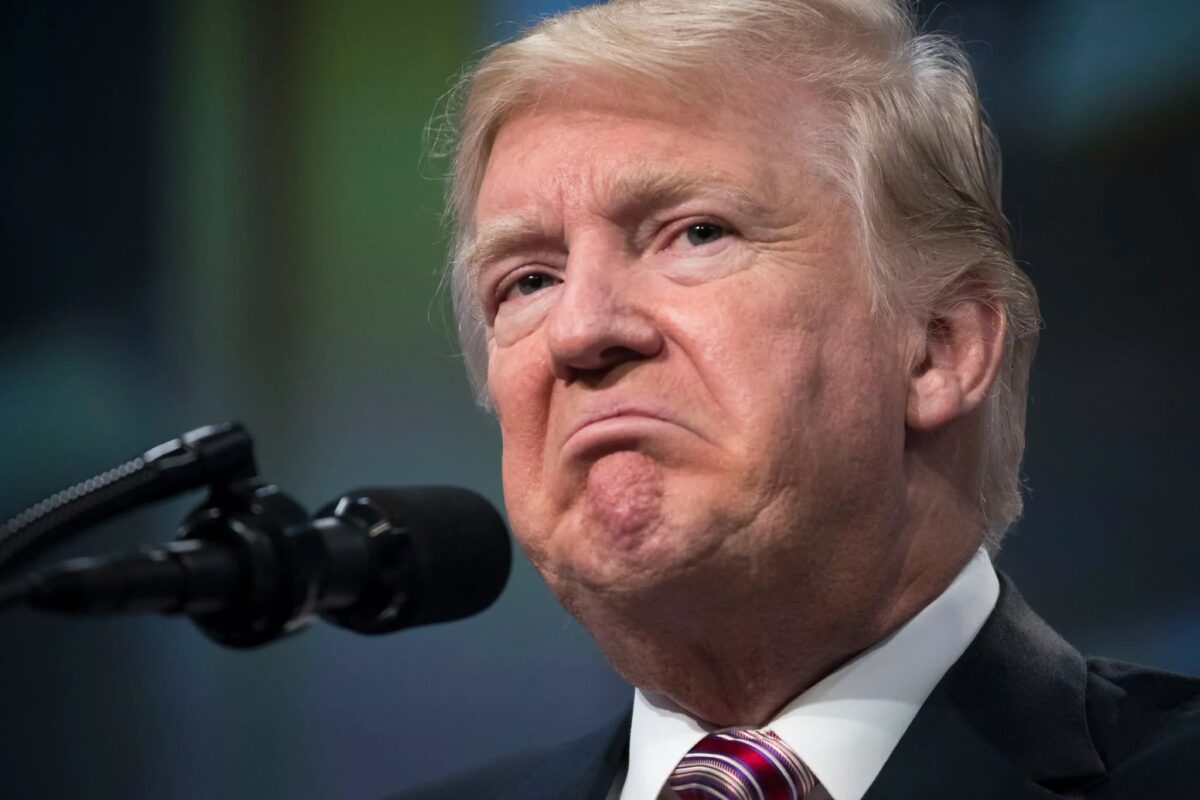
Trump reacted angrily and said the fight is not finished. In a post on Truth Social, he argued that Congress could act to end what he called unfair birthright citizenship without a constitutional amendment. Sky News reported that he claimed lawmakers could “easily” address the issue through legislation.
That path may be far more difficult than Trump suggests. Because the Supreme Court tied the issue directly to the Constitution, any serious attempt to eliminate birthright citizenship would likely face steep legal challenges. Passing ordinary legislation may not be enough if the constitutional guarantee remains unchanged.
Still, the political fight is likely to continue. Trump and his allies have made immigration enforcement a central part of their agenda, and this ruling will probably become a rallying point for both sides.
A Bigger Fight Over American Identity
The decision arrives at a tense moment in American politics. The country is deeply divided over immigration, border security, presidential power, and the meaning of national identity. For Trump’s supporters, birthright citizenship has become a symbol of what they see as a system too generous to people who entered or remained in the country unlawfully. For opponents, it is a constitutional shield against creating a permanent underclass of children born in America but denied full belonging.
The Supreme Court’s ruling does not end that debate. But it does draw a firm line around the presidency. A president can campaign against a constitutional rule. He can pressure Congress. He can appoint judges. But he cannot simply declare that a 158-year guarantee no longer means what courts have said it means for generations.
What Happens Next
The immediate result is clear: Trump’s executive order cannot be enforced, and birthright citizenship remains intact.
The longer-term result is more complicated. The ruling may energize immigration hardliners who want Congress to act. It may also strengthen civil rights groups who see the decision as proof that constitutional protections can survive even in a hostile political climate.
For now, the message from the court is unmistakable. The birthplace rule remains. The 14th Amendment still carries weight. And in one of the most consequential immigration fights of Trump’s presidency, the Supreme Court has told him no.