9 Soups People Over 50 Swear By When the Weather Turns Cold
There is a certain kind of day that calls for soup. The sky is gray, the wind has a bite, and the furnace has kicked on for the first time. People who have lived through a few dozen winters know exactly what to do.
They get out the big pot. Soup is the oldest comfort food there is, and it gets more appealing with age. It is warm, easy to eat, gentle on the budget, and it makes the whole house smell like home.
Everyone over 50 seems to have a favorite they return to every year. These nine soups are the ones they swear by when the weather turns cold.
1. Chicken Noodle Soup
Chicken noodle is the soup most people think of first. It starts with a whole chicken or a leftover carcass simmered with onion, carrots, and celery. Egg noodles go in at the end.
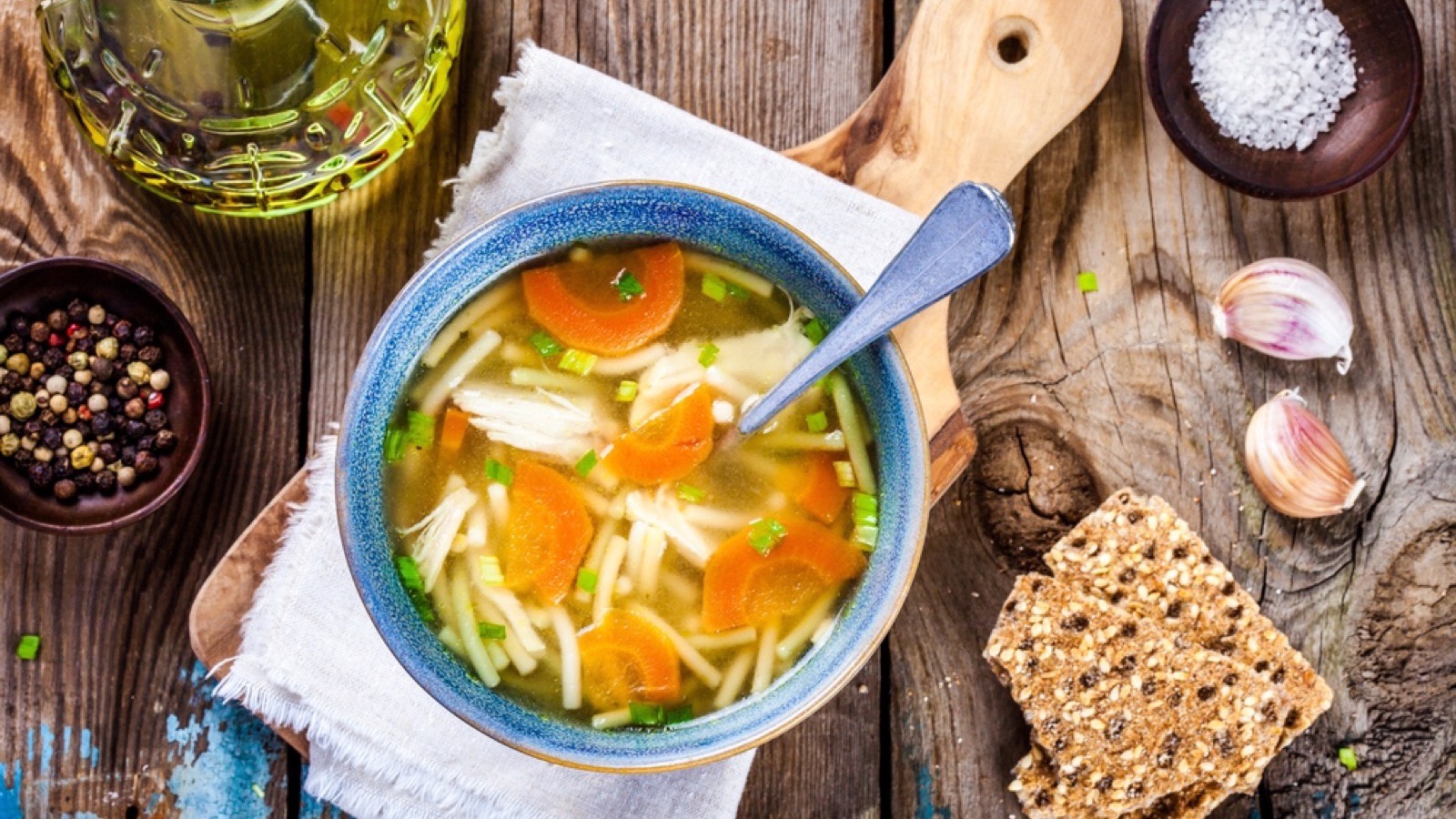
It is the soup mothers made when someone was sick, and it still feels like medicine. A famous 2000 laboratory study even suggested that chicken soup may have mild anti-inflammatory effects. Whether or not that holds up, nothing is more soothing on a cold night.
2. Vegetable Beef Soup
Vegetable beef soup is a meal in a bowl. Chunks of beef simmer until tender with tomatoes, potatoes, carrots, green beans, and corn. Many cooks add barley or a handful of macaroni.
It was traditionally a way to use up the last of the garden and a cheap cut of meat. The longer it cooks, the better it tastes. People over 50 often make a huge batch and freeze half for later.
3. Split Pea Soup With Ham
Split pea soup is thick, green, and deeply savory. Dried peas cook down with a ham bone until they turn creamy. It is the classic way to use what is left after a holiday ham.
Younger people are sometimes put off by the color. Those who grew up with it know better. Split peas are legumes, and Harvard Nutrition Source notes that legumes are rich in protein and fiber.
4. Navy Bean Soup
A pot of navy bean soup has warmed American kitchens for generations. Small white beans simmer with ham, onion, and celery until the broth turns thick. It is served with cornbread or crackers.
A version of bean soup has famously been served in the U.S. Senate dining room for more than a century. It costs very little to make and feeds a crowd. Many older cooks start it in the morning and let it simmer all day.
5. Potato Soup
Potato soup is as simple as cooking gets. Potatoes and onions are simmered in broth or milk until soft, then mashed slightly to thicken. Some people add bacon, cheese, or a little celery.
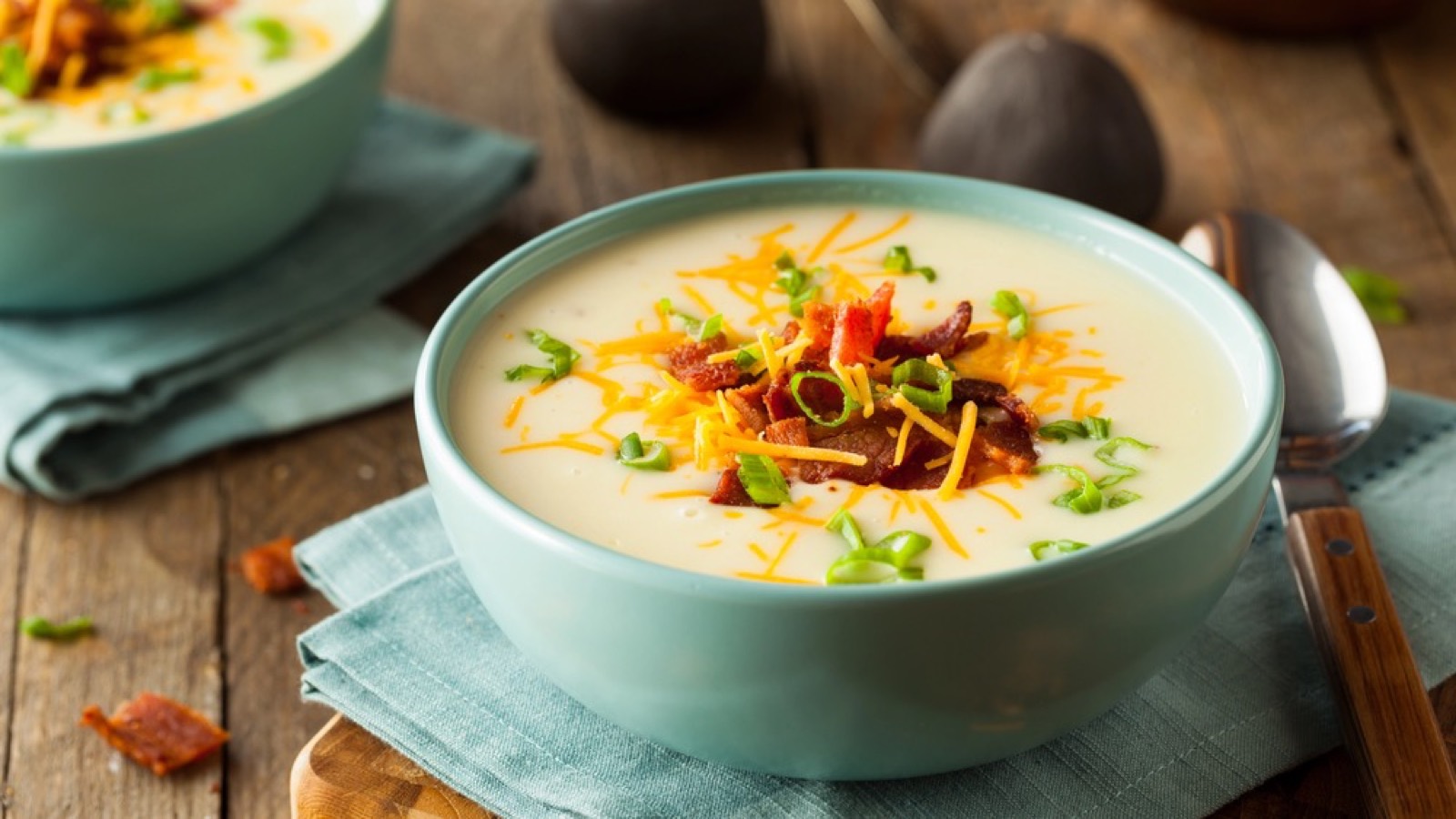
It was a Depression-era standby because the ingredients were always on hand. It remains a favorite for anyone who wants something creamy and mild. A bowl of potato soup with buttered bread is supper enough.
6. Tomato Soup With Grilled Cheese
Tomato soup with a grilled cheese sandwich is a pairing that never gets old. Many boomers grew up with the canned kind, made with milk instead of water. The sandwich was cut diagonally for dipping.
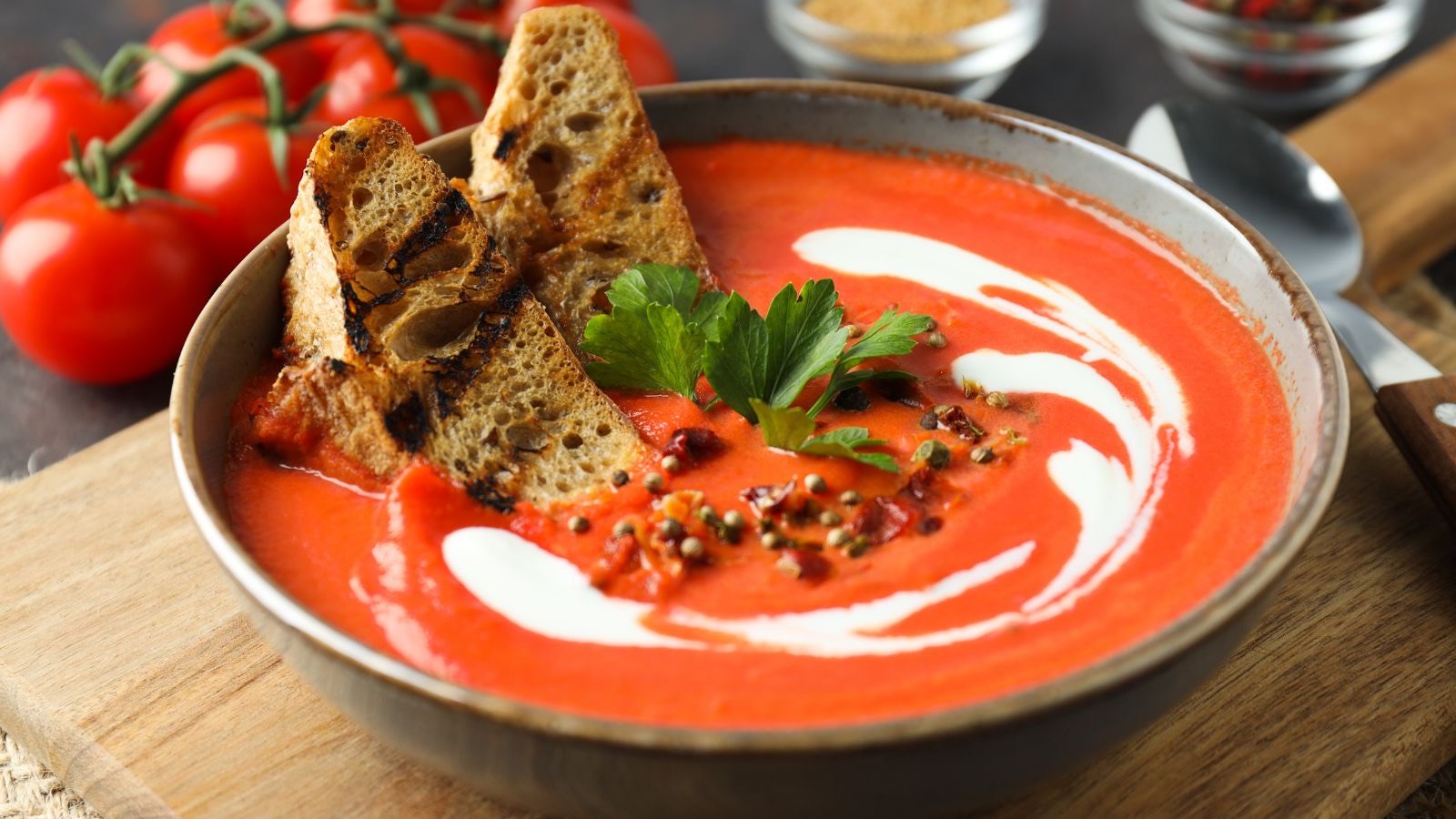
Homemade tomato soup is easy and worth the effort. Canned tomatoes, onion, broth, and a splash of cream are all it takes. It is a lunch that makes anyone feel like a child again.
7. Cabbage Soup
Cabbage soup has deep roots in Eastern European, Irish, and German kitchens. Cabbage is simmered with onions, carrots, tomatoes, and sometimes sausage or beef. It is hearty without being heavy.
Many families passed down their own versions from immigrant grandparents. Cabbage is cheap and keeps well all winter. For people watching their weight, it is a filling soup with very few calories.
8. Chili
Some people insist chili is not a soup, but it serves the same purpose. Ground beef, beans, tomatoes, and chili powder simmer into a thick, warming bowl. Every family has its own recipe and its own opinion about beans.
Chili is the food of football Sundays and snow days. It tastes better the second day, and it freezes well. Topped with cheese, onions, or crackers, it satisfies even the biggest appetite.
9. Chicken and Rice Soup
Chicken and rice soup is the gentler cousin of chicken noodle. The rice makes it a little thicker and more filling. A squeeze of lemon or a sprinkle of parsley brightens it up.
It is especially popular with older adults who want something easy to digest. It is also a good way to use leftover rice and chicken. A small pot can provide several days of lunches.
Why Soup Gets Better With Age
Soup suits life after 50 in many ways. It is soft and easy to eat, which matters to anyone with dental trouble. It is also easy to make in small or large amounts.
It can help with a common problem. Older adults do not always feel thirsty, even when they need fluids. Broth-based soups add liquid to the diet along with nourishment.
Soup is also a good way to eat more vegetables, beans, and whole grains. The National Institute on Aging encourages older adults to choose a variety of nutrient-rich foods, and a pot of soup fits that advice nicely. One bowl can cover several food groups.
Tips for Making It Healthier
Homemade soup has a big advantage over canned. You control the salt. Many canned soups are high in sodium, which can be a concern for people watching their blood pressure.
Use low-sodium broth and season with herbs, garlic, pepper, and a little lemon juice or vinegar. Add extra vegetables and beans to boost the fiber. Go easy on cream and cheese if you are watching fat.
Food safety matters too. Cool soup quickly, refrigerate it within two hours, and use it within three to four days, as the USDA advises. Older adults are more vulnerable to foodborne illness, according to FoodSafety.gov, so it pays to be careful.
Cooking for One or Two
Many people over 50 are cooking for a smaller household. Soup is perfect for that. A full pot can be divided into single servings and frozen for busy days.
Label each container with the name and date. Most soups keep well in the freezer for a few months. Soups with noodles or potatoes may change texture, so some cooks add those fresh when reheating.
A freezer full of homemade soup is like money in the bank. It means a good meal is always ten minutes away. It beats most easy dinner ideas for nights when you do not feel like cooking.
More Than a Meal
For many of us, soup is tied to the people who made it. We remember a mother ladling it into bowls or a grandmother stirring a pot that seemed never to empty. The smell alone can bring those kitchens back.
Sharing soup is also an old way of showing care. We take it to sick neighbors, new mothers, and grieving friends. It is among the hearty American soups and stews that have comforted people for generations.
When the first cold snap arrives, which soup do you make first? And whose recipe is it?