7 Things You Might Find in a Boomer’s Well-Used Wallet
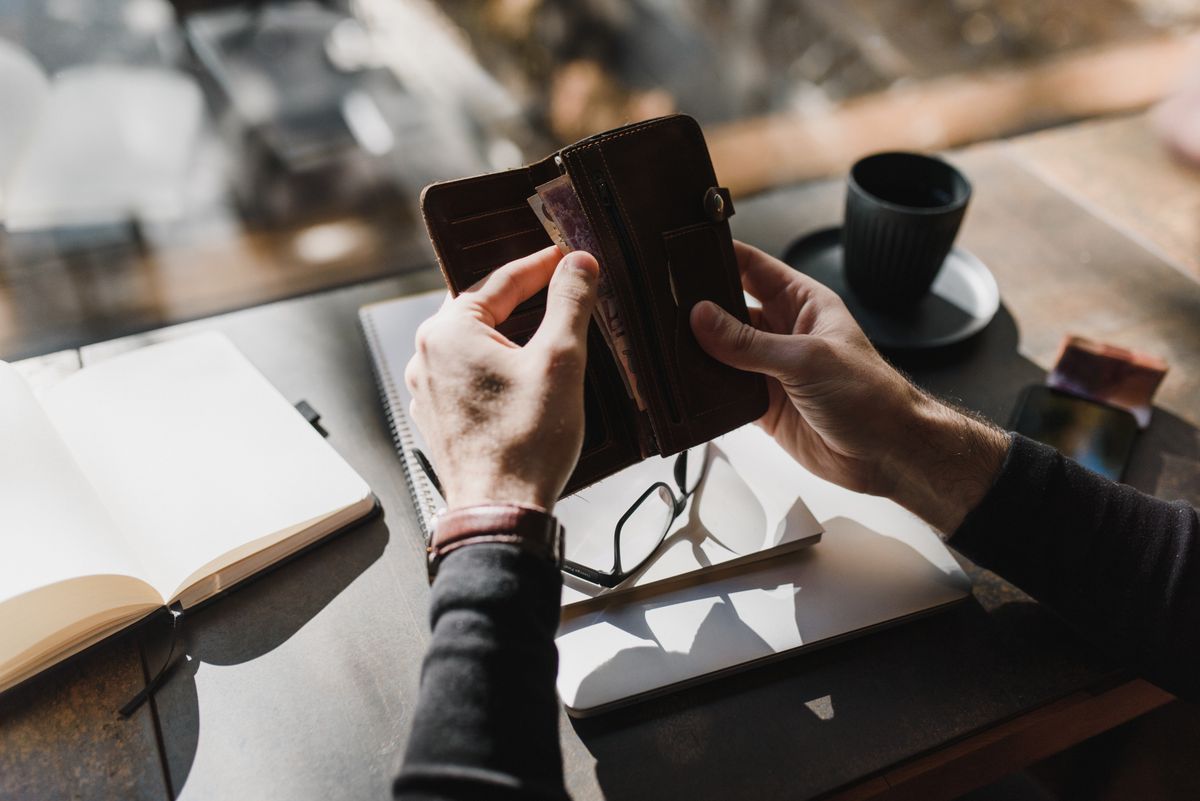
A wallet opens at the checkout, and out comes a small archive: folded bills, membership cards, handwritten numbers, perhaps even a checkbook. To someone who usually pays with a phone, it can look like carrying an entire desk in one pocket.
But those contents may have a logic beyond refusing to download another app. A wallet can hold backup plans, familiar routines, and information its owner wants within reach.
These habits are not exclusive to Baby Boomers, and younger people use paper, too. Still, these seven items offer a revealing glimpse into different ideas about what deserves a place in your pocket.
Checkbooks With Their Own Tracking System
A checkbook tucked into a roomy wallet can puzzle someone whose payment routine involves tapping a screen. Writing out a recipient, amount, and signature may seem like taking the scenic route.
For someone comfortable with checks, the accompanying register provides a familiar record. Enter the payment, update the balance, and keep everything together. The appeal may be the routine as much as the payment itself.
There is a distinction between using checks and carrying them everywhere. Consider bringing them when needed rather than giving them permanent pocket space. Familiarity is useful; an overstuffed wallet is not a requirement for keeping a paper trail.
Cash That Never Asks for a Password
A few folded bills can look unnecessary until someone wants to pay without opening an app. Cash gives its owner something visible to count, separate, and spend.
Federal Reserve Financial Services’ 2026 payment research found that adults 55 and older relied more on cash than other age groups. That category includes people outside the Baby Boomer generation, so it should not be treated as a finding about Boomers alone.
For an individual, carrying cash might reflect preference, a backup plan, or both. The person with bills beside their bank card may like having another option. No grand statement about technology is required.
Old Insurance Cards That Never Moved Out
An expired insurance card can survive several wallet cleanouts by looking too official to discard. Its replacement arrives, finds another slot, and somehow both remain.
Perhaps the owner wants the old information for previous paperwork. Perhaps removing it has never seemed urgent. Either explanation is more ordinary than a mysterious generational attachment to obsolete plastic.
The practical question is which card belongs at the front when needed. Keep current information easy to identify. If an older document has a legitimate purpose, give it a labeled place at home instead of leaving it mixed with everyday essentials. Keeping a record does not mean carrying it forever.
Social Security Cards Kept Just in Case
Some documents feel important enough to keep close, even when they are rarely needed. A Social Security card can fall into that category, especially when it has occupied the same wallet pocket for years.
The Social Security Administration advises against routinely carrying the card or documents showing the number. Bring it when needed rather than treating it as an everyday essential.
That advice has a history: SSA records show that instructions against carrying the card were added to its back in 2002 and its face in 2004. Sometimes the sensible wallet update is simply following guidance already printed on the document itself.
Handwritten Phone Numbers With Staying Power
A folded list of telephone numbers may seem redundant beside a smartphone. But a saved contact is useful only when you can access the device holding it.
Paper offers a different arrangement: unfold the list, find the name, and use an available phone. There is no need to remember which conversation contained the number.
Keep the selection short enough to read easily. A few essential contacts can be more useful than a cramped directory nobody can decipher. Check the details occasionally, too. A carefully preserved number that now belongs to a stranger is less of a backup than its owner probably intended it to be.
Membership Cards That Earn Their Slots
A library card, supermarket rewards card, and coffee punch card can turn a wallet into a little catalog of regular destinations. To the owner, each familiar logo marks a useful stop.
Someone accustomed to scanning a physical card may prefer that routine to searching through apps. Digital alternatives exist: AARP, for example, explains how members can add their membership card to Apple Wallet. That is another option, rather than an obligation to switch.
The useful test is frequency. A card used every week deserves different consideration from one belonging to a shop you stopped visiting years ago. Let usefulness decide which cards stay.
Little Notes That Preserve the Details
Not every scrap of paper is clutter. A handwritten address, cabinet measurement, or shopping reminder can capture exactly what someone needs. These notes preserve context rather than merely contact information.
They can be read quickly or handed over without searching through messages. Give them an expiration date, though. Once the errand is finished, remove the note. Keep passwords and PINs elsewhere.
A wallet does not need to become digital to become practical. Keep what earns its place, update information, and reconsider anything carried purely through habit. The best system is one its owner can use without unnecessary searching.