Why Family Dinner at the Table Is Disappearing in America
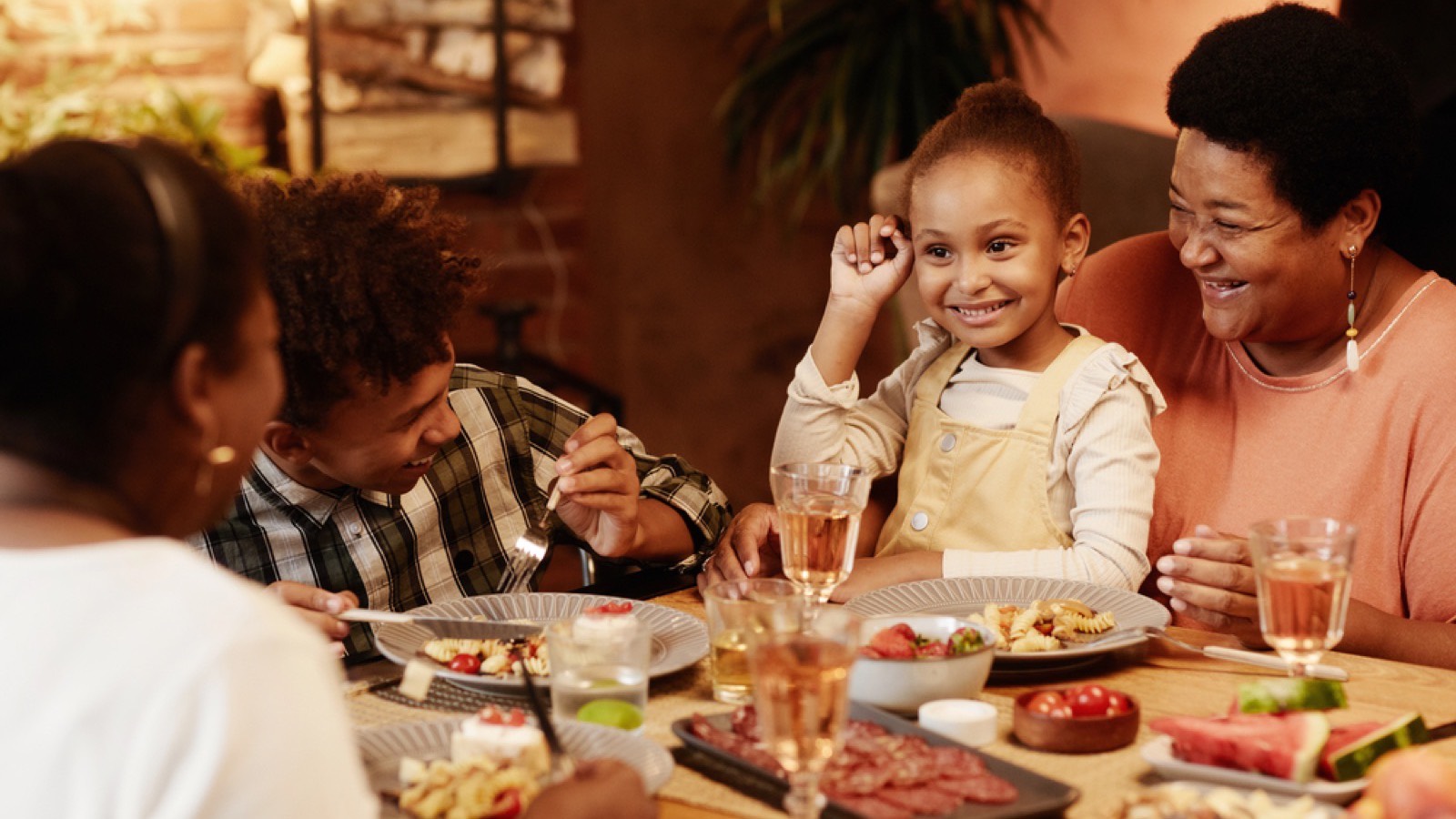
For generations, the family dinner was a fixed point in American life. At six o’clock, the family gathered around the kitchen or dining room table, said grace, and passed the dishes. Children were expected to be home on time, and missing dinner without a good reason meant trouble.
That ritual has changed dramatically. Many families now eat at different times, in different rooms, and often in front of screens. Some nights, dinner is a drive-thru bag in the back seat on the way to practice.
Many people who grew up with nightly family dinners feel something important has been lost. Researchers have taken notice too. Here is why family dinner at the table is disappearing in America, and why so many people want to bring it back.
Busy Schedules Pull Families Apart
The most common reason is simple: everyone is busy. Parents work long hours, often at jobs with unpredictable schedules. Children have sports, music lessons, tutoring, and part-time jobs that run into the evening.
In the 1950s and 1960s, many families had one parent at home who planned and cooked dinner. Today, most households have two working parents or a single parent juggling everything alone. Finding a time when everyone is home together can feel nearly impossible.
Commutes have also grown longer in many areas. A parent who leaves the office at five may not walk through the door until well after six. By then, hungry children may have already eaten.
Screens Have Moved to the Table
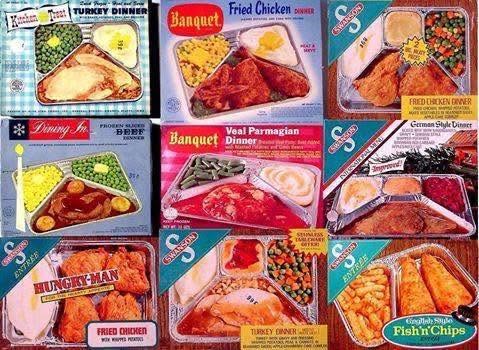
Television changed dinner long before smartphones arrived. TV trays and frozen dinners let families eat in front of the set, and many households embraced the idea in the 1950s and 1960s. The TV dinner’s history shows how quickly that habit spread.
Smartphones and tablets have taken it further. Even when families sit together, phones often sit beside the plates. Conversations are interrupted by notifications, texts, and videos.
Many parents now set rules about phones at the table. Some families keep a basket by the door for devices during meals. It is a modern effort to protect an old tradition.
Convenience Food Changed How We Eat
Fast food, takeout, and delivery apps have made it easy to skip cooking. A family can order dinner with a few taps and eat whenever they like. Frozen meals and microwavable snacks let each person eat on their own schedule.
These options save time, but they often replace the shared experience of cooking and eating together. When everyone grabs food separately, there is less reason to sit down at the same time. Dinner becomes a refueling stop rather than a gathering.
Many people still enjoy easy dinner ideas that make home cooking simpler. Quick meals can still be shared at the table. The key is making the time to sit together.
Homes and Habits Have Changed
The layout of American homes has changed as well. Open kitchens, kitchen islands, and family rooms with large televisions encourage casual eating. Some homes barely use their dining rooms at all.
Eating at the counter or on the couch has become normal for many families. It feels relaxed and informal. But it can also make dinner feel less like an event.
Many older Americans remember the dining room table as the center of family life. It was where homework was done, games were played, and important conversations happened. For many, losing that space feels like losing a piece of home.
What Research Says About Family Meals
Researchers have studied family meals for years. The nonprofit Family Dinner Project promotes family meals as a way to strengthen relationships. Studies have linked regular family dinners with better nutrition and stronger communication for children.
Researchers at Harvard’s education school have also discussed the benefits of family mealtime. Experts say the conversation matters as much as the food. Sharing stories and listening to each other helps children feel connected.
These benefits are not limited to dinner. Breakfast, weekend lunches, or late snacks can provide the same connection. What matters is spending time together without distractions.
Money and Food Costs Play a Role
Rising grocery prices have changed how some families eat. When budgets are tight, parents may work extra shifts or take second jobs, leaving less time to cook. Others rely on cheap convenience foods that are quicker than a home-cooked meal.
Ironically, cooking at home is usually cheaper than eating out. A pot of soup, a casserole, or a simple pasta dish can feed a family for far less than takeout. But it takes planning and time, two things many families feel they no longer have.
The Generational Divide
Boomers grew up with family dinners as an expected part of life. Many of them tried to continue the tradition with their own children. But by the 1980s and 1990s, busy schedules and new habits made it harder.
Younger generations often have different expectations. Many millennials and Gen Z adults grew up eating meals at different times or on the go. For them, a nightly family dinner may feel unfamiliar.
Still, many younger parents are trying to revive the tradition. They see the value in sitting down together. Some are learning from their parents and grandparents, the way the Sunday family dinner tradition is being rediscovered.
How Families Are Bringing Dinner Back
Some families set aside specific nights for dinner together, even if they cannot do it every evening. Others cook simple meals that everyone can help prepare. Slow cookers, sheet pan dinners, and make-ahead meals make it easier.

Many families also make dinner more fun with themed nights, such as taco night or pizza night. Children enjoy helping with cooking, and it gives them a sense of ownership. Some families even combine dinner with family movie nights on weekends.
Turning off screens and focusing on conversation can make a big difference. Some families use conversation starters or take turns sharing the best part of their day. These small habits can turn a simple meal into meaningful time together.
A Tradition Worth Saving
Family dinner may never return to the way it was in the 1950s. Life has changed too much. But the idea of gathering at the table is still valuable.
For many people, the memories of family dinners are some of their happiest. They remember laughter, arguments, stories, and the comfort of being together. Did your family eat dinner together every night, and do you still try to keep the tradition alive?