10 Foods That Were Once Sold as Health Cures
Today, we think of ketchup as a condiment and cola as a sweet treat. But in the 19th and early 20th centuries, many everyday foods were marketed as medicines. Ads promised that they could cure everything from indigestion to nervous exhaustion.
This was an age before strict food and drug laws. Salesmen and manufacturers could make almost any claim they wanted, and many customers believed them. Pharmacies sold soda water, cereal was promoted as a health food, and even chocolate had a medical reputation.
Some of these foods went on to become household staples, while their health claims faded away. Here are ten foods that were once sold as health cures, and the surprising stories behind them.
1. Ketchup
In the 1830s, tomato ketchup was sold as medicine. An Ohio physician named John Cooke Bennett claimed that tomatoes could treat diarrhea, indigestion, and other ailments. Soon, entrepreneurs were selling tomato pills and extracts.

The fad grew so popular that “tomato pills” were advertised widely. Eventually, the claims were exposed as exaggerated, and the market collapsed. History.com explains how ketchup went from medicine to the condiment we know today.
Ketchup’s medical career is one of the strangest stories in American food history. Today, it is simply the topping of choice for fries and burgers. Few people realize it was once sold in pill form.
2. Coca-Cola
Coca-Cola was invented in 1886 by John Pemberton, a pharmacist in Atlanta. It was marketed as a nerve tonic and a cure for headaches and fatigue. The original formula contained extracts from coca leaves and kola nuts.
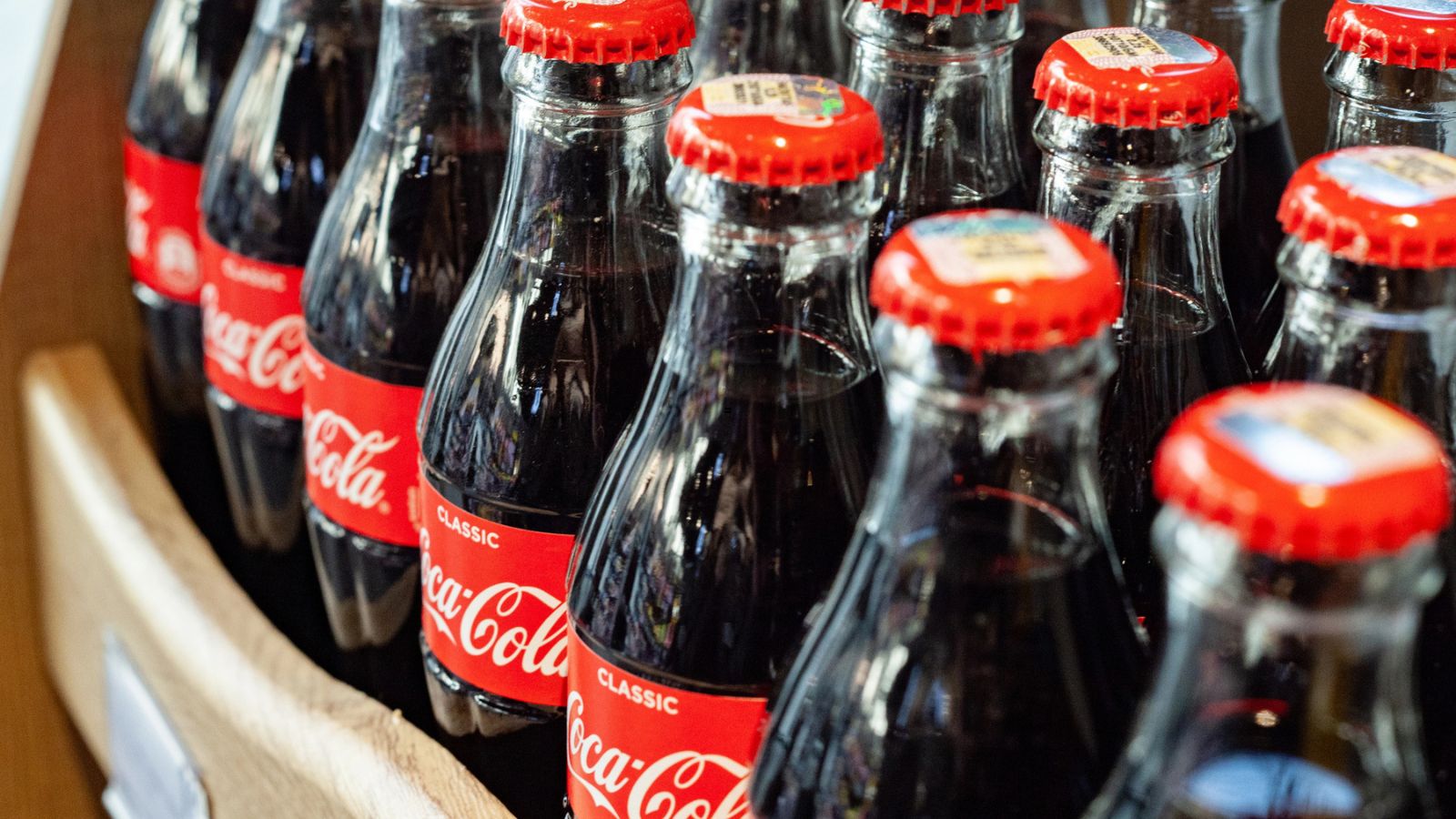
The drink was sold at soda fountains in pharmacies, which were common gathering places. Over time, the formula changed, and the health claims disappeared. Coca-Cola became one of the most famous brands in the world.
Many other sodas also started as health tonics. Pharmacies were the birthplace of the soda fountain. The connection between soda and medicine lasted for decades.
3. Graham Crackers
Graham crackers were inspired by Sylvester Graham, a Presbyterian minister who promoted a plain diet in the 1830s. He believed that bland foods, including whole wheat flour, could improve health and curb unhealthy urges. His followers were known as “Grahamites.”
The graham cracker was originally a plain whole wheat cracker. Over time, companies added sugar and honey, turning it into a sweet snack. Today, it is best known as an ingredient in s’mores.
Graham’s ideas were extreme by modern standards. But his influence on American eating habits was significant. He was one of the first health food advocates in the country.
4. Corn Flakes
Corn flakes were developed by John Harvey Kellogg and his brother Will Keith Kellogg at the Battle Creek Sanitarium in Michigan. John Harvey Kellogg believed that a bland, vegetarian diet promoted good health. The cereal was part of the sanitarium’s health program.
The Henry Ford museum has described how Kellogg’s cereals changed American breakfasts. Will Keith Kellogg later added sugar and started his own company. Corn flakes became a breakfast staple across the country.
The original health claims faded, but breakfast cereal remained. It is now one of the most popular breakfast foods in America. Its origins are rooted in health food movements.
5. 7Up
When 7Up was introduced in 1929, it was called “Bib-Label Lithiated Lemon-Lime Soda.” It contained lithium citrate, a compound used to treat mood conditions. The drink was marketed as a mood booster.
Lithium was removed from the recipe in 1948. The drink became a popular lemon-lime soda. Today, few people know about its unusual origins.
7Up’s history shows how drinks were once marketed with health claims. It also reflects the lack of regulation at the time. Many products contained ingredients that would never be allowed today.
6. Chocolate
Chocolate has a long history as a medicine. In Europe and early America, it was used to treat stomach problems, fatigue, and other ailments. Pharmacies sold chocolate drinks and tablets.
Chocolate was considered nourishing and energizing. Some doctors recommended it for invalids and the elderly. Over time, it became a treat rather than a medicine.
Today, dark chocolate is sometimes promoted for its antioxidants. But the old medical claims have mostly faded. Chocolate is now enjoyed for its taste.
7. Dr Pepper
Dr Pepper was created in the 1880s in Waco, Texas, by pharmacist Charles Alderton. It was sold at a drugstore soda fountain and marketed as a refreshing drink. Later advertising promoted it as an energy boost.
The famous “10, 2, and 4” slogan encouraged people to drink it at those times of day for energy. The idea was based on claims about blood sugar dips. Today, Dr Pepper is simply a popular soda.
Dr Pepper’s origins in a pharmacy are similar to Coca-Cola’s. Many sodas were created by pharmacists. They were often marketed with health benefits.
8. Tonic Water
Tonic water was originally used to prevent malaria. It contains quinine, a compound from the bark of the cinchona tree. British soldiers and officials in India drank it to protect themselves from the disease.
To make the bitter quinine more palatable, they mixed it with gin. This created the gin and tonic. Today, tonic water contains much less quinine and is used mainly as a mixer.
Tonic water’s history is a fascinating example of a medicine becoming a popular drink. It is still enjoyed around the world. Few people drink it for health reasons today.
9. Jell-O and Gelatin
Gelatin was long considered a food for invalids. It was easy to digest and was often served to sick people. Cookbooks included recipes for gelatin dishes for the ill.
Jell-O was introduced in 1897 and became a popular dessert. Its connection to invalid food remained for decades. Hospitals still serve gelatin to patients today.
Gelatin was once seen as a nourishing food. Today, it is mostly a dessert. Its history reflects changing ideas about health and nutrition.
10. Bananas
In the 1920s and 1930s, bananas were promoted for children’s health. Doctors recommended them for children with celiac disease, a condition not well understood at the time. The so-called “banana diet” was used for years.
Bananas became a popular food, especially for children. They were inexpensive and easy to eat. Today, they are one of the most popular fruits in America.
The banana diet is no longer used, as celiac disease is now treated with a gluten-free diet. The FDA’s gluten-free labeling rules help people manage the condition. Bananas remain a healthy snack.
Why These Claims Were So Common
These health claims were common because there were few regulations on food and medicine. The Pure Food and Drug Act of 1906 was one of the first laws to address the problem. Over time, regulations became stricter.
Today, health claims on food are carefully regulated. But marketing still influences how people see food. Many products are still promoted as healthy, and some are foods that seem healthy but really are not.
A Lesson From History
The stories of these foods are a reminder to be skeptical of health claims. Many products have been marketed with exaggerated promises. It is always wise to look for scientific evidence.
These foods also show how closely food and medicine have been connected throughout history, much like the accidentally invented foods with surprising backstories. Which of these surprised you the most, and do you remember any foods your parents swore would cure a cold?