7 Appalachian Dishes Born From Hard Times
The mountains of Appalachia have never been an easy place to make a living. Families farmed steep, rocky land, worked in coal mines and timber camps, and often lived miles from the nearest store. Money was scarce, winters were long, and every scrap of food mattered.
Out of those conditions came a style of cooking built on thrift and ingenuity. Mountain women used what they could grow, gather, raise, or preserve, and they wasted nothing. Their kitchens produced dishes that were humble, filling, and surprisingly delicious.
Many of these foods are still cooked across Appalachia, and some have found fans far beyond the mountains. Here are seven Appalachian dishes born from hard times, and the stories of how families made them work.
1. Soup Beans and Cornbread
Soup beans are the heart of Appalachian cooking. Dried pinto beans were simmered slowly with a piece of salt pork or a ham hock until they were soft and the broth was thick. They were served in a bowl with a big wedge of cornbread on the side.
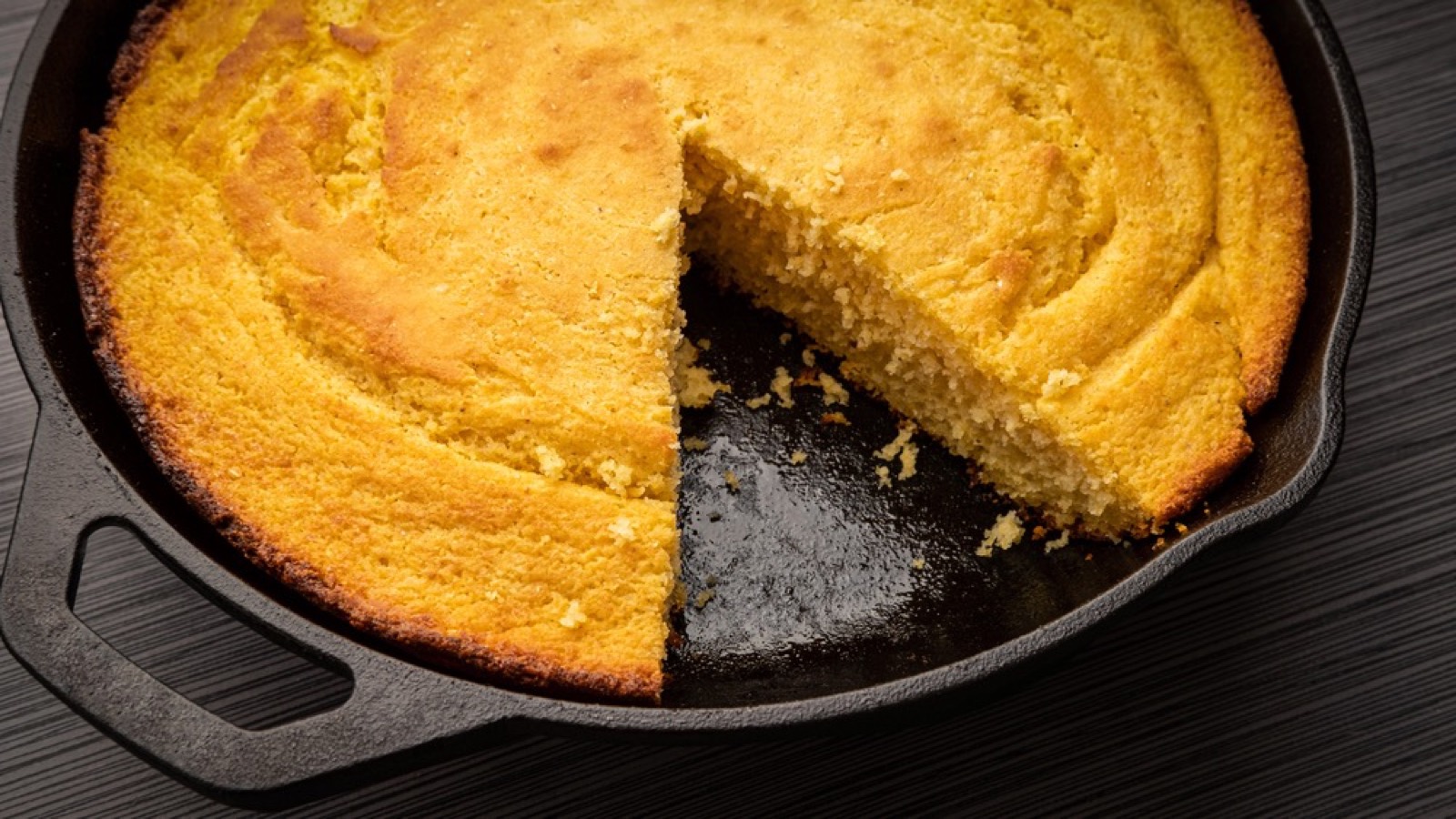
This meal was cheap, filling, and nourishing. Dried beans kept for months, and cornmeal came from corn grown in the family field. Many families ate soup beans several times a week.
Toppings like chopped raw onion, chow-chow, or a spoonful of pickled relish added flavor. Many people crumble their cornbread right into the beans. For countless Appalachian families, soup beans and cornbread is the taste of home.
2. Kilt Lettuce
Kilt lettuce, sometimes called “killed” lettuce, is a spring dish made with fresh leaf lettuce and green onions. Hot bacon grease is poured over the greens, which wilts them, or “kills” them. A splash of vinegar and a pinch of sugar finish the dish.
It was one of the first fresh foods families enjoyed after a long winter of preserved food. The lettuce came straight from the garden. Bacon grease, saved from breakfast, added flavor at no extra cost.
Kilt lettuce is still made in many Appalachian homes each spring. It is often served with soup beans and cornbread. Those who grew up with it say it tastes like the start of a new season.
3. Leather Britches
Leather britches are dried green beans. Families strung whole green beans on thread and hung them in a warm, dry place to dry. Once dried, they looked shriveled and leathery, which gave them their name.
In winter, the beans were soaked and simmered for hours with pork. They had a deep, smoky flavor different from fresh or canned beans. Many people considered them a delicacy.
Drying beans was a way to preserve food without canning jars, which were expensive. It took time and patience. Some Appalachian families still make leather britches today to keep the tradition alive.
4. Fried Cornmeal Mush
Cornmeal mush was a simple dish made by cooking cornmeal with water until thick. It could be eaten hot with milk and sugar for breakfast. The leftovers were poured into a loaf pan to set overnight.
The next day, the mush was sliced and fried in a skillet until crispy. It was served with butter, molasses, or syrup. It turned a very cheap ingredient into something special.
Fried mush is still enjoyed in parts of Appalachia and the Midwest. Many older people remember it as a childhood breakfast. It is a classic example of making the most of what you have, much like Depression-era foods.
5. Ramps and Foraged Greens
Ramps are wild onions that grow in the forests of Appalachia in early spring. They have a strong garlic and onion flavor. Families gathered them and fried them with potatoes, eggs, or bacon.
Ramps were one of the first fresh foods of the year. Many communities still hold ramp festivals each spring. They have become popular with chefs in big cities.
Other foraged greens, such as poke salad, dandelion greens, and creasy greens, were also important. Foraging provided free food and much-needed vitamins. Poke must be prepared carefully, because the raw plant is toxic, a lesson mountain cooks passed down through generations.
6. Stack Cake
The Appalachian stack cake is a special dessert made for weddings and celebrations. It is made of several thin, cookie-like layers stacked with a filling of dried apples cooked into a thick sauce. The cake is left to sit for a day or more so the layers soften.
According to tradition, guests at a wedding each brought a layer, and the cake was assembled at the celebration. The more layers, the more popular the bride. Historians debate how widespread that custom was, but the story is beloved.
The cake used inexpensive ingredients like flour, sorghum or molasses, and dried apples. It was a way to create a festive dessert without expensive sugar or butter. Many families still make it for holidays.
7. Chicken and Dumplings
When a family had a chicken to spare, it was often turned into chicken and dumplings. An older hen that no longer laid eggs was simmered slowly to make it tender. Dumplings made from flour and fat were added to the broth.
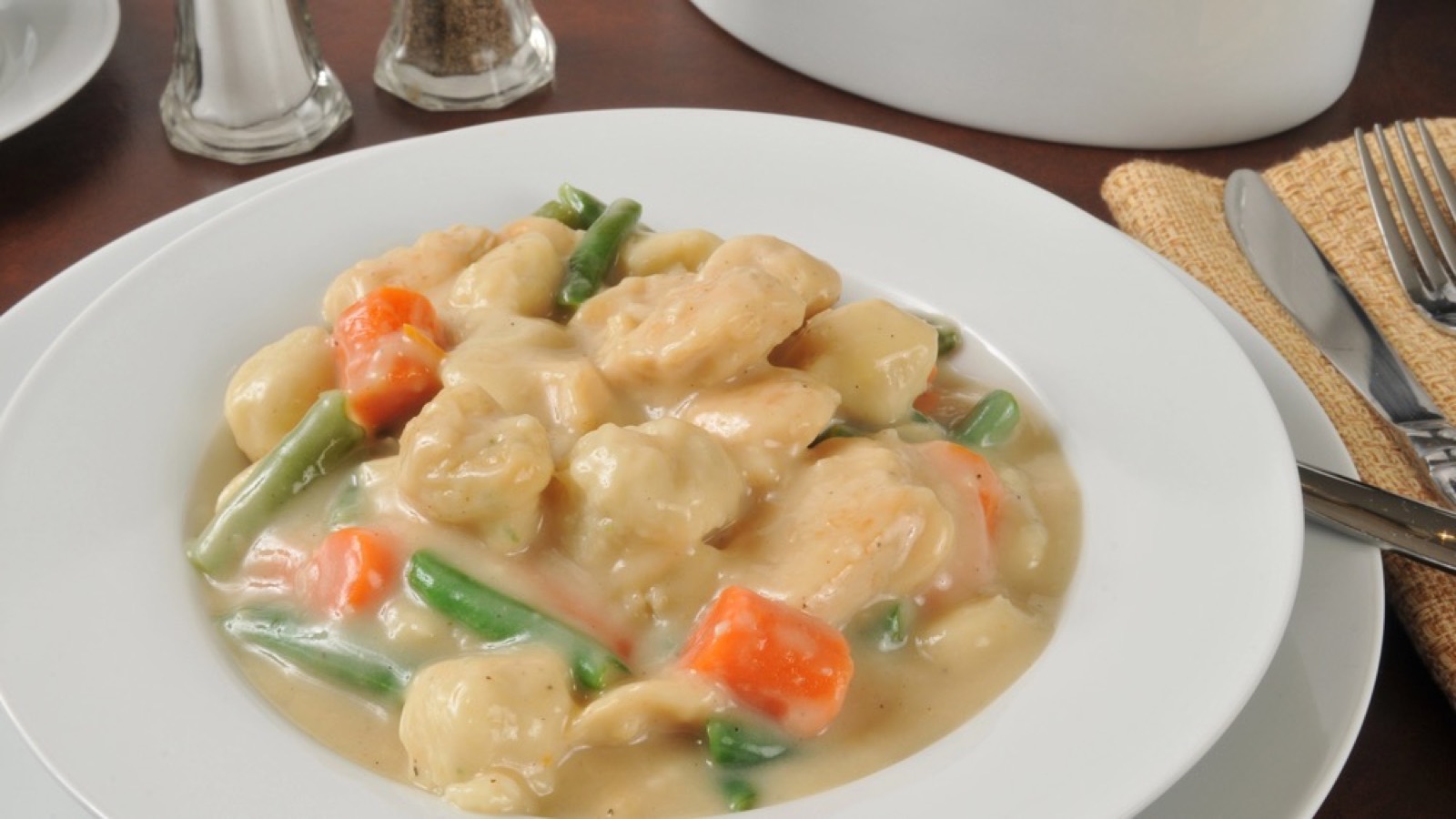
This dish could feed a large family with just one chicken. The dumplings stretched the meal. It was served on Sundays, at family gatherings, and when someone was sick.
Chicken and dumplings is beloved across the South and Appalachia. Many families have their own version of the recipe. It is one of the most comforting dishes in American cooking.
The Spirit of Appalachian Cooking
Appalachian cooking is rooted in resourcefulness. Families used every part of the animal and every bit of the harvest. They preserved food through drying, canning, salting, and smoking.
This style of cooking was shaped by many cultures, including Scots-Irish, English, German, African, and Cherokee traditions. Each group contributed ingredients and techniques. The result is a unique and rich food culture.
Why These Dishes Still Matter
Today, Appalachian food is gaining recognition. Chefs and food writers are celebrating its history and flavors. Many people are rediscovering these humble dishes.
These foods are a reminder that great cooking does not require expensive ingredients. They show how families made the most of what they had. They are similar to many poor people foods that even the wealthy now enjoy.
Remembering the Mountain Kitchen
For many people with Appalachian roots, these dishes bring back memories of grandparents and childhood homes. They remember the smell of beans simmering on the stove and cornbread baking in the oven. Those memories are precious.
Which of these Appalachian dishes have you tried, and did your family make any of them? Many families still cook them to honor their heritage and the people who came before.