10 Foods Grandma Canned Every Summer That Hardly Anyone Preserves Anymore
Late summer in Grandma’s kitchen was hot, steamy, and busy. Bushels of tomatoes and peaches sat on the porch, jars were boiling in a big enamel pot, and the counters were covered with towels and lids. The work went on for days, and the kitchen smelled of vinegar and sugar.
By the end of the season, the cellar shelves were lined with gleaming jars. That food would carry the family through the winter, long before supermarkets offered fresh produce year-round. Canning was not a hobby for most women of that generation; it was a necessity.
Home canning has had a modest revival, but most people no longer preserve food the way Grandma did. Here are ten foods she canned every summer that very few households put up today.
1. Tomatoes
Tomatoes were the backbone of summer canning. Grandma scalded them, slipped off the skins, and packed them into quart jars, whole or crushed. A big garden could produce dozens of jars in a single season.
Those tomatoes became soups, stews, chili, and spaghetti sauce all winter long. Today, cans of tomatoes cost very little at the grocery store, so few people bother. Those who do say home-canned tomatoes taste far better.
2. Green Beans
Rows of green beans grew in nearly every family garden. They were snapped on the front porch, often by children, and packed into jars for winter. Because beans are a low-acid food, they need a pressure canner to be preserved safely.
The National Center for Home Food Preservation explains that low-acid vegetables must be pressure canned to prevent botulism. Grandma’s pressure canner hissing on the stove was a familiar sound. Many younger cooks are nervous about using one.
3. Peaches
Peaches were a summer treasure. Grandma peeled and sliced them, packed them in light syrup, and sealed them in jars that glowed gold on the shelf. In winter, a jar of peaches was a reminder of warm days.
They were eaten plain, spooned over cake, or baked into cobbler. Canned peaches from the store are easy to find, but home-canned ones are firmer and more flavorful. Some families still make a peach canning day an annual tradition.
4. Bread and Butter Pickles
Every pantry held jars of homemade pickles. Bread and butter pickles, with their sweet and tangy brine, onions, and mustard seed, were especially popular. Dill pickles were packed with garlic and fresh dill heads from the garden.
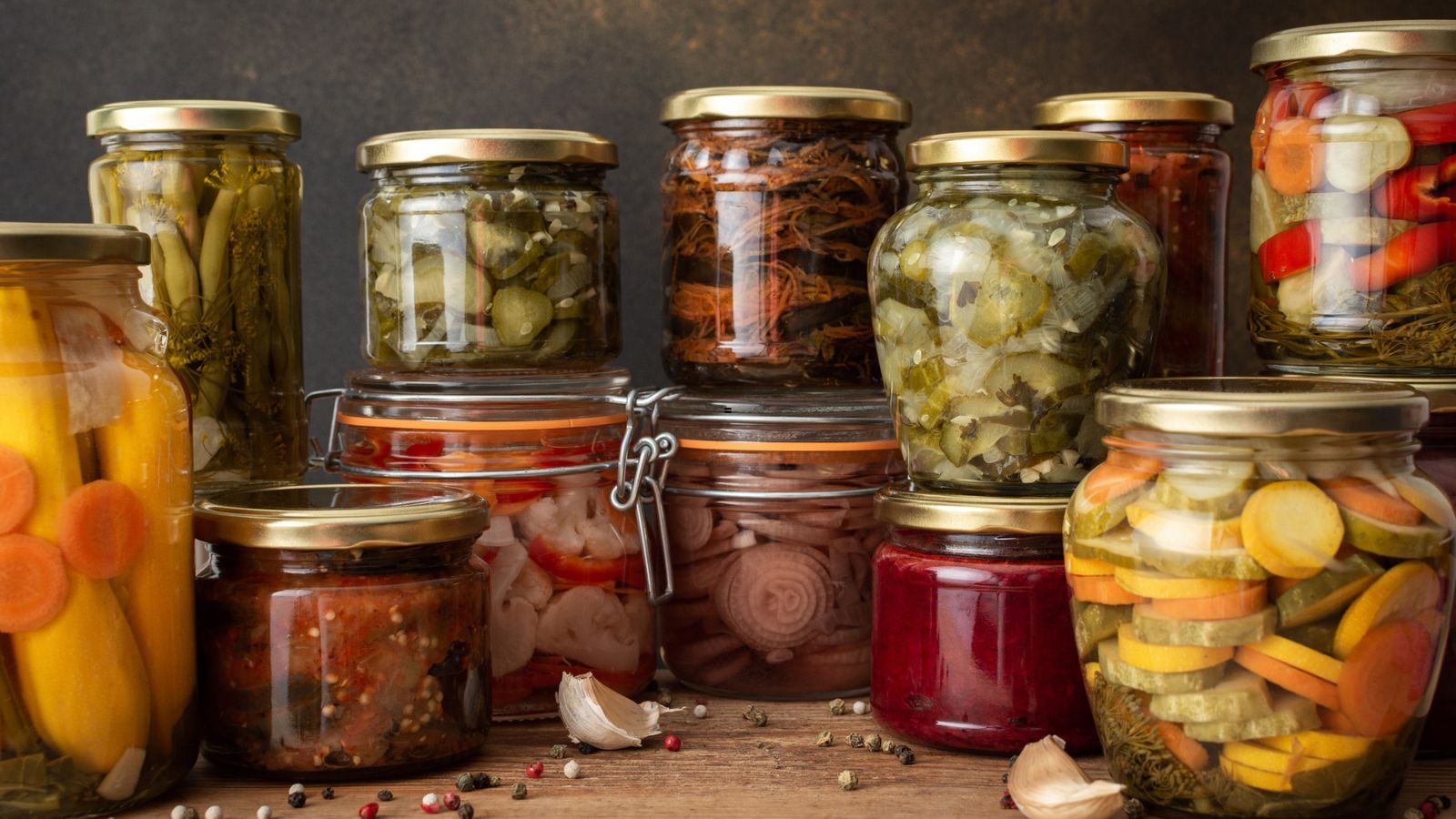
Pickles were a way to use the cucumbers that came in faster than anyone could eat them. They were served with sandwiches, at picnics, and on holiday relish trays. Many grandchildren still dream about Grandma’s pickles.
5. Strawberry and Blackberry Jam
Jam making was a sticky and joyful job. Berries were picked from the garden or the roadside, cooked down with sugar and pectin, and poured into small jars sealed with metal lids or with paraffin wax, a method experts no longer recommend. Rows of red and purple jam lined the shelves.
Homemade jam was spread on biscuits and toast and given as gifts. It was cheaper than buying it in town. Today, jam making is one of the few canning traditions that many people still try.
6. Applesauce and Apple Butter
In the fall, apples were turned into applesauce and apple butter. Apple butter was cooked slowly for hours, sometimes in a copper kettle outdoors, until it turned thick and dark. Spices like cinnamon and cloves filled the air.
These were made in huge batches to last all year. Applesauce was served alongside pork chops, and apple butter was spread on bread. Apple butter making days are still held at some country festivals.
7. Corn
Sweet corn was cut from the cob and canned in jars or turned into creamed corn. The work was messy, with milky corn juice splattering everywhere. Families often worked together, shucking ears outside while the women cut and packed inside.
Like green beans, corn needs a pressure canner. Many families eventually switched to freezing corn instead, once home freezers became common. Canned corn from the store has replaced it in most kitchens.
8. Chow-Chow and Relishes
In the South and Appalachia, chow-chow was a pantry staple. This tangy relish was made from chopped green tomatoes, cabbage, onions, peppers, and spices. It was a clever way to use up the last of the garden before frost.
Chow-chow was served with beans, greens, and hot dogs. Corn relish and pepper relish were other favorites. These relishes are rarely made at home now, though some small farms sell them.
9. Pickled Beets
Jars of deep red pickled beets were common on cellar shelves. The beets were boiled, peeled, sliced, and packed in a sweet and sour vinegar brine. Some cooks added hard-cooked eggs to the jar to make pink pickled eggs.
Pickled beets were served with Sunday dinner and holiday meals. They are an acquired taste for many younger people. Those who grew up with them often still crave them.
10. Vegetable Soup Mix
Some grandmothers canned their own soup mix by combining tomatoes, corn, beans, carrots, potatoes, and okra in big jars. On a cold winter day, a jar could be poured into a pot with some meat or broth for a quick, hearty meal. It was the original convenience food.
This took careful work and a pressure canner. Few people go to that trouble today. But those who remember it say store-bought soup has never matched that taste.
Why Canning Faded
Home canning declined as supermarkets grew, refrigerators and freezers improved, and more women went to work. Fresh produce became available year-round, often at low prices. The long hours of canning no longer seemed worth it for many families.
Still, canning was one of the habits grandma never skipped. It taught patience, thrift, and planning. Those jars on the shelf represented a sense of security that money could not buy.
A Small Comeback
In recent years, canning has enjoyed a small revival among home gardeners and people who want to know where their food comes from. Some younger cooks are learning from older relatives or online guides. It fits well with other clever frugal living tips that are making a return.
If you try it, follow tested recipes and safety guidelines carefully, because improper canning can be dangerous. Did your mother or grandmother can food every summer, and what was your favorite jar on the shelf?