9 Recipes Grandma Wrote on Index Cards That Families Still Treasure
Somewhere in many American homes, there is a small tin or wooden box filled with index cards. The corners are soft and bent, some cards are spotted with grease or vanilla, and the handwriting is unmistakable. For many families, that recipe box is one of the most precious things Grandma left behind.
The cards were rarely neat. Grandma wrote “a pinch” or “enough flour” and assumed you knew what she meant. Sometimes a note in the margin said “Bill’s favorite” or “double for Christmas,” and those little words now mean more than the recipe itself.
These recipes carry the taste of holidays, Sunday dinners, and ordinary weeknights from decades ago. Here are nine recipes Grandma wrote on index cards that families still treasure, and why they matter so much.

1. Her Famous Pie Crust
Almost every recipe box held a card for pie crust, and it was often the most worn card of all. Grandma’s version might call for lard, shortening, or butter, plus ice water and a light hand. She made it so often that she probably never needed to read it.
Many grandchildren have tried to copy that crust and failed. Pie dough depends on feel, and Grandma had practiced for fifty years. Still, having her card in hand is the closest anyone can get, and families often keep it framed or laminated.
2. Pot Roast With Vegetables
The Sunday pot roast card usually had simple instructions. Brown the beef, add onions, carrots, and potatoes, pour in some water or broth, and let it cook slowly all afternoon. Some grandmothers added a packet of onion soup mix, a trick that spread widely in the 1950s and 1960s.
Pot roast was the smell of Sunday in countless homes. The recipe card brings that memory back instantly. Many families still make it for birthdays or whenever someone needs comfort.
3. Holiday Fruitcake or Nut Bread
Fruitcake has become a joke in modern America, but in many families, Grandma’s version was taken very seriously. Her card might list candied cherries, raisins, pecans, and a splash of brandy or orange juice. It was made weeks before Christmas and wrapped carefully to age.
Other grandmothers favored banana bread, date nut bread, or zucchini bread. These loaves were given as gifts to neighbors and church friends. The card for them often has the most stains, because they were baked by the dozen.
4. Chicken and Dumplings
In the South and Midwest, chicken and dumplings was the ultimate comfort food. Grandma’s card might describe rolled dumplings, cut into strips, or drop dumplings spooned into the broth. Either way, the whole chicken simmered for hours first.
This was a dish for cold days, sick days, and days when the family needed to stretch one bird to feed many people. Many grandchildren say it tastes like love. It is one of the old-fashioned foods that younger cooks rarely make from scratch.
5. Sugar Cookies or Molasses Cookies
Holiday baking was a big event, and cookie recipes filled several cards. Rolled sugar cookies cut into stars and trees, soft molasses cookies rolled in sugar, and thumbprints filled with jam were all common. Each family had its own favorites.
These cards are often splattered with flour and butter from years of use. Some even have small handprints from grandchildren who helped in the kitchen. Baking from them each December keeps the tradition alive.
6. Meatloaf With a Ketchup Glaze
Meatloaf was a weeknight staple, and every grandmother had her own version. Some used crushed saltines, others used oats or bread soaked in milk. The top was spread with ketchup or a sweet glaze of ketchup, brown sugar, and mustard.
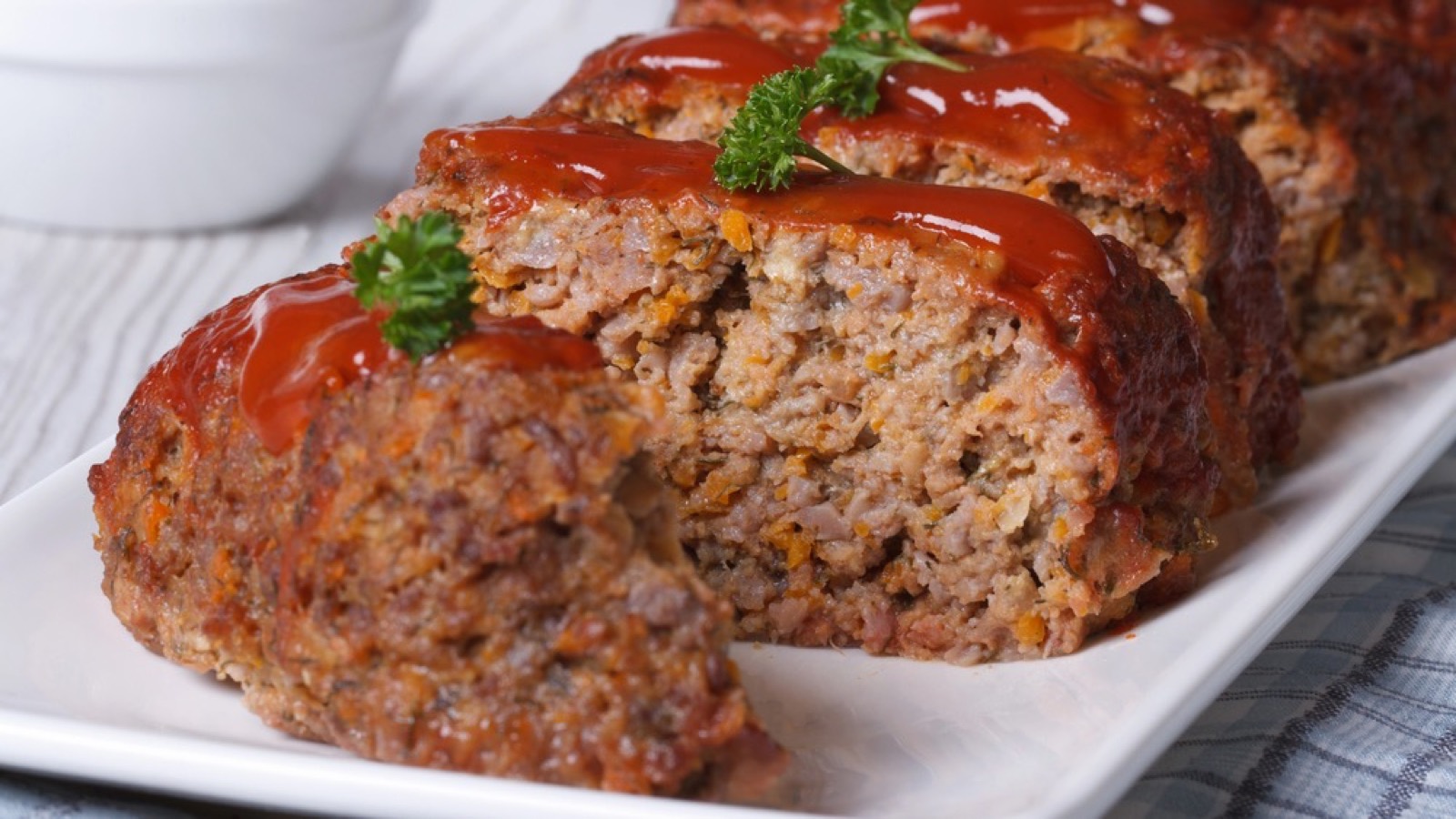
Meatloaf was budget-friendly and made great sandwiches the next day. Many families argue about whose meatloaf was best. Grandma’s card usually settles the debate for good.
7. Potato Salad for Picnics
Every summer gathering needed potato salad, and Grandma’s recipe was usually the standard. Her card might call for boiled potatoes, hard-cooked eggs, celery, onion, mayonnaise, mustard, and pickle relish. Paprika on top was a finishing touch.
The proportions were never quite written down correctly. Grandma tasted as she went and added a little more of this or that. Families still debate whether hers had sweet relish or dill.
8. Buttermilk Biscuits
Biscuits were a daily food in many Southern homes, and the recipe was so familiar that some grandmothers barely wrote it down. The card might just say “flour, buttermilk, lard, baking powder, salt.” The technique, folding gently and never overworking the dough, lived in her hands.
Grandchildren who watched her make them often remember the motions more than the measurements. Some families have filmed older relatives baking to capture what the card leaves out. It is a smart way to protect the recipe.
9. Her Signature Cake
Most grandmothers had one cake they were known for. It might be a chocolate sheet cake, a hummingbird cake, a German chocolate cake, or a pound cake baked in a tube pan. It appeared at every birthday and holiday.
That card often has the most notes on it, from adjustments over the years to reminders about oven temperatures. Some cards include a newspaper clipping where the recipe first came from. For many families, making that cake is a way of keeping her present at every celebration.
Why These Cards Mean So Much
Recipe cards are more than instructions. They are a record of a woman’s life, her handwriting, and the meals she made for the people she loved. Seeing her script brings back her voice in a way photos sometimes cannot.
Many families now scan or photograph old recipe cards to share with siblings and cousins. Some print the cards onto tea towels, cutting boards, or quilts. Keeping these mementos is a trait shared by many people who hold on to old letters and keepsakes.
Tips for Preserving a Family Recipe Box
If you have Grandma’s recipe box, store the cards away from heat, moisture, and sunlight. Acid-free sleeves or photo albums help protect them. Make copies for everyday cooking so the originals stay safe.
It also helps to write down what the card does not say. Ask older relatives what “a pinch” meant or how long she really baked something. Those details are the simple pleasures that turn a recipe into a memory. Does your family still have Grandma’s recipe box, and which card is the one everyone fights over?