7 Things Grandma Did at the Grocery Store That Saved Her a Fortune
Grandma did not have budgeting apps, loyalty cards, or online price comparisons. What she had was a pencil, a scrap of paper, and a lifetime of experience stretching every dollar. Many women of her generation had lived through the Depression or wartime rationing, and they never forgot what it felt like to have too little.
A trip to the grocery store with Grandma could feel slow to a child. She read every price tag, counted her coupons, and checked the register receipt line by line before leaving. But by the end of the year, those careful habits added up to real money.
With food prices still weighing heavily on household budgets, many younger shoppers are rediscovering her methods. Here are seven things Grandma did at the grocery store that saved her a fortune, and how they still work today.
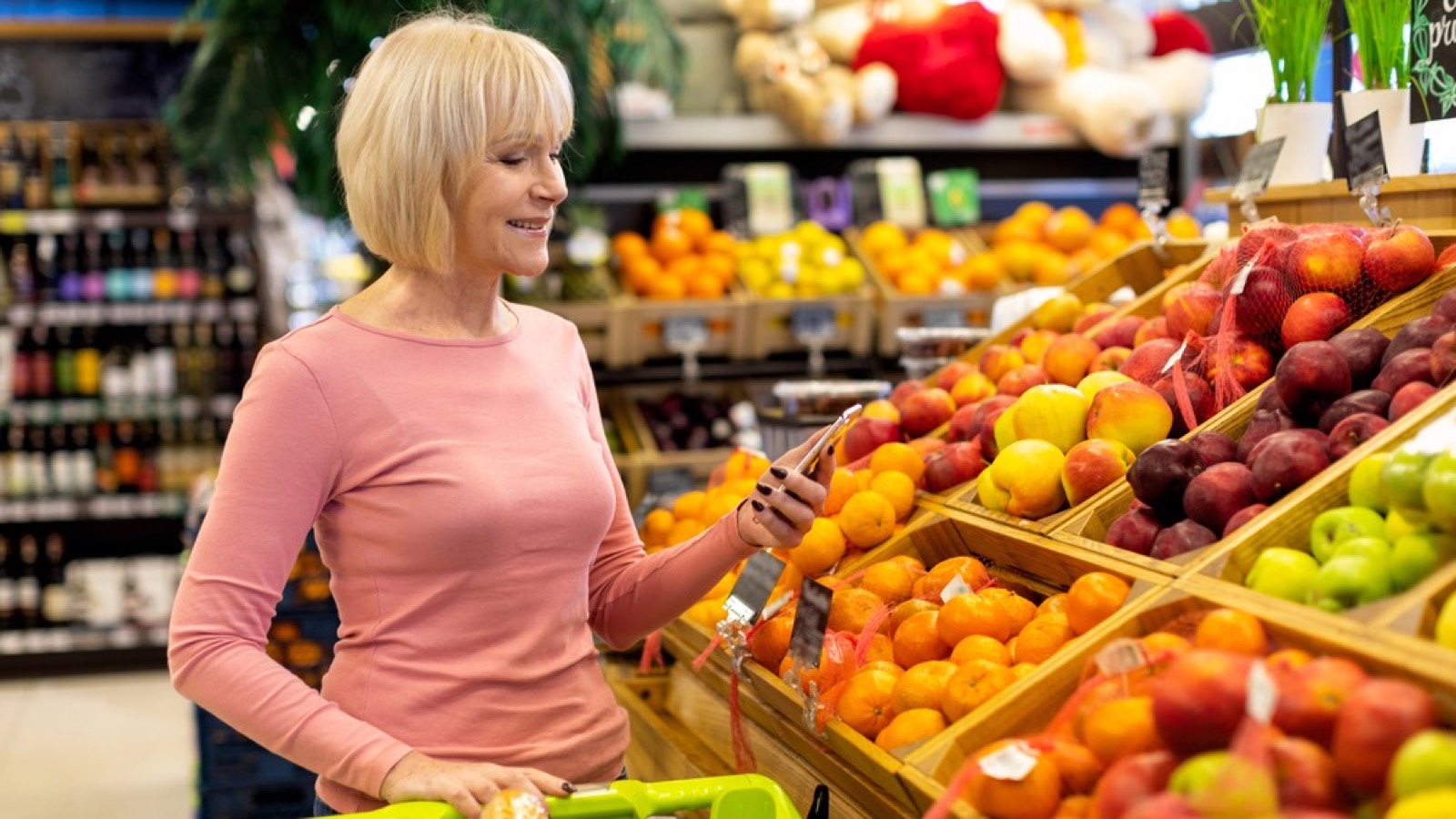
1. She Never Shopped Without a List
Grandma wrote her shopping list at the kitchen table before she ever left the house. She checked the pantry, the refrigerator, and the cellar shelves, and she wrote down only what was truly needed. The list was organized by the layout of the store so she could move quickly.
Shopping with a list kept her from buying things on impulse. She knew exactly what she was there for, and she rarely strayed. Today, studies of shopping behavior show that impulse purchases add up fast, especially near checkout.
Many people still swear by a handwritten list. It forces you to think before you shop and helps you stick to your budget. It is one of the easiest money-saving habits to bring back.
2. She Planned Meals Around the Weekly Sales
Grandma read the grocery store flyer that arrived in the newspaper every week. She noted which meats and vegetables were on sale and planned her menus around them. If pork shoulder was cheap, the family ate pork that week.
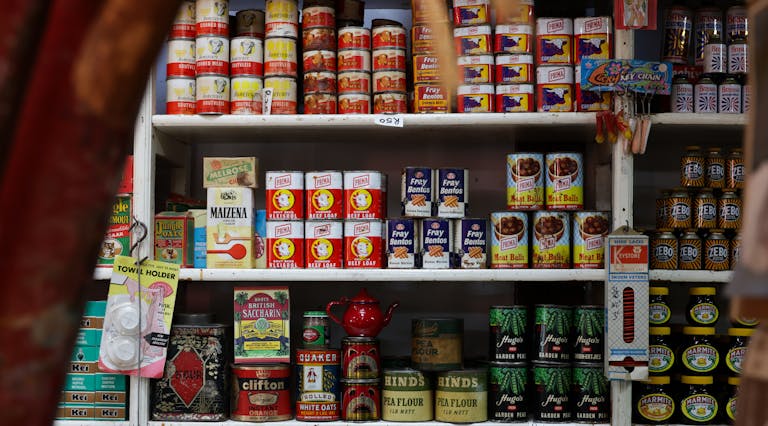
This approach saved money because she was not paying full price for anything she did not have to. She also bought extra of sale items when she could store them. A good sale on canned goods meant stocking up for months.
Today, most stores post their weekly ads online or in their apps. Planning meals around sales still works just as well. It takes a little more thought but can cut a grocery bill significantly.
3. She Clipped Coupons and Saved Green Stamps
Sunday afternoons often meant clipping coupons from the newspaper. Grandma kept them in an envelope or a small box sorted by category. She knew which coupons expired soon and used them wisely.
Many stores also gave out trading stamps, such as S&H Green Stamps, with each purchase. Grandma pasted them into booklets and traded them for household items. It was a way to get extra value from money she was already spending.
Coupons are now often digital, but the idea is the same. Many people save hundreds of dollars a year with store apps and manufacturer coupons. Grandma would have loved the convenience.
4. She Bought Whole Foods and Did the Work Herself
Grandma bought whole chickens instead of packaged breasts or thighs. She cut them up at home, used every part, and made broth from the bones. She bought blocks of cheese and grated them herself, and she bought dried beans instead of canned.
Doing the work herself saved a lot of money. Pre-cut and pre-packaged foods cost more because you are paying for the labor. A whole chicken can provide several meals for the price of a single package of boneless breasts.
Many people today are rediscovering these habits. They buy whole foods and prepare them at home to save money. It also gives them more control over what they eat, which many people see as one of the frugal habits worth keeping.
5. She Compared Prices Carefully
Grandma did not assume that the biggest package was the best deal. She compared prices and often did the math in her head to figure out the cost per pound or per ounce. She knew which store had the best price on milk, eggs, and meat.
Some women even shopped at more than one store to get the best prices. They knew the butcher had a better price on beef and the corner market was cheaper for produce. It took more time, but it saved money.
Today, many stores show the unit price on the shelf tag, making comparisons easier. Grandma would have appreciated that. Checking unit prices is a simple way to make sure you are getting a good deal.
6. She Bought Store Brands and Seasonal Produce
Grandma was not loyal to fancy brands unless they were truly better. She often bought store brands or generic products that cost less. In the 1970s and 1980s, plain-label generic products in simple packaging became popular with budget-minded shoppers.
She also bought fruits and vegetables in season, when they were cheaper and tasted better. Strawberries were a summer treat, and apples were for fall. Out-of-season produce was considered a waste of money.
Store brands today are often just as good as name brands. Many shoppers save a significant amount by switching. Buying seasonal produce still saves money and often means better flavor too.
7. She Never Wasted Food
Grandma made sure nothing went to waste. Leftovers became new meals, stale bread became bread pudding or stuffing, and vegetable scraps went into soup. Bacon grease was saved for cooking, and sour milk was used in baking.
The USDA estimates that a large share of the U.S. food supply is wasted each year. Grandma’s habits helped her avoid that waste. Every bit of food she used was money saved.
Many people today are learning to waste less food. They plan meals carefully, use leftovers creatively, and store food properly. These habits help save money and reduce waste, just as they did for Grandma.
Why Her Habits Still Matter
Grandma’s grocery habits were born from necessity, but they are just as useful today. Food prices have risen, and many families are looking for ways to cut costs. Her methods are simple, practical, and effective.
These habits also reflect values that many people admire, such as thrift, planning, and respect for food. Grandma knew how to make every dollar count. Her lessons can help anyone manage a household budget.
Bringing Grandma’s Wisdom Into Today’s Kitchen
You do not have to give up modern conveniences to follow Grandma’s lead. Use apps for coupons, check online sales, and plan meals around what is cheap. Make a list, compare prices, and use leftovers wisely.
These small steps can add up to big savings over time, much like other wallet-friendly life hacks. What grocery store habit did your grandmother swear by, and do you still use it today?