6 Popular Hot Dog Toppings, Ranked From Worst to Best
There is something about a hot dog that brings out everyone’s strongest food opinions. Put a few on the grill at a backyard barbecue, and suddenly people are debating whether ketchup belongs anywhere near the bun, how much mustard is too much, and whether chili makes everything better.
Toppings can completely change the hot dog experience. Some add crunch and tang, others bring sweetness or rich flavor, and a few can turn a simple snack into a seriously messy meal. But not every topping deserves equal praise.
This ranking considers flavor, texture, versatility, and how well each ingredient complements the hot dog without overpowering it. Personal preferences will always differ, but here’s how six familiar American hot dog toppings stack up, starting with the least impressive and ending with the one that gets almost everything right.
Ketchup: Popular, but Too Sweet for the Top Spot
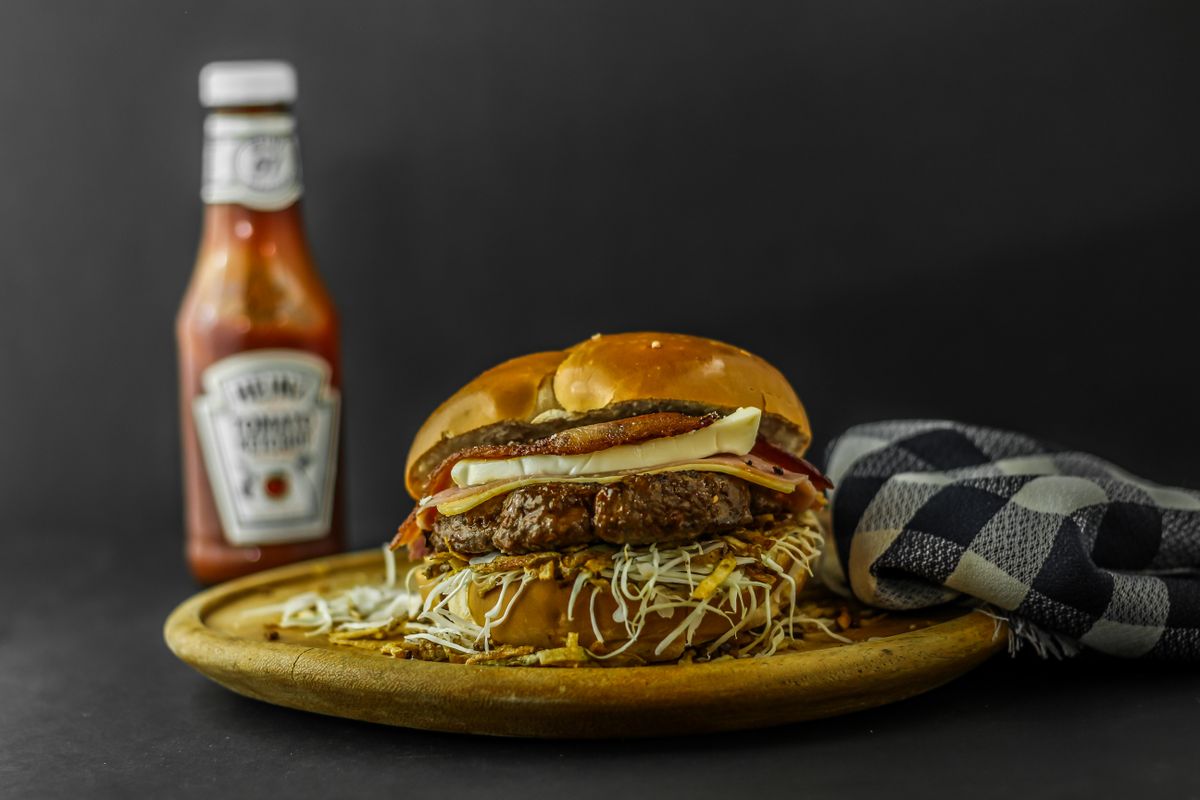
Ketchup might be one of America’s most recognizable condiments, n but familiarity doesn’t automatically make it the best hot dog topping.
Its smooth texture, tomato flavor, and sweetness appeal to people who prefer a milder combination. For many families, ketchup is simply the bottle that comes out whenever hot dogs are served.
However, its biggest weakness is how easily that sweetness can dominate the entire bite.
Paired with a mild sausage and soft bun, too much ketchup can leave little room for the hot dog’s savory flavor.
Interestingly, ketchup remains more popular than some traditionalists would like to admit.
A 2014 Harris Poll conducted for the National Hot Dog and Sausage Council found that 52% of American hot dog eaters reported using ketchup.
The council’s playful etiquette guidelines discourage adults from putting ketchup on hot dogs, although that is more of a food tradition than an actual rule.
Ketchup earns last place here because it works best for people who enjoy sweeter flavors, rather than those looking for a balanced, savory bite.
Sweet Pickle Relish: Good Crunch, Questionable Sweetness
Sweet pickle relish brings something ketchup cannot offer: little bursts of crunch.
Made with chopped pickles, it combines sweetness and vinegar tang, creating a noticeable contrast against the soft bread and savory sausage.
A spoonful can make an ordinary hot dog more interesting, particularly when paired with mustard.
The problem begins when the relish becomes the main attraction.
Too much can overwhelm the sausage with sweetness, while excess liquid may leave the bun soggy before the last bite. Relish also has a place in American hot dog traditions.
According to the National Hot Dog and Sausage Council’s regional hot dog guide, bright green relish is one of the recognizable ingredients in a Chicago-style hot dog, alongside mustard, onions, tomatoes, pickles, peppers, and celery salt.
However, that combination works because several ingredients contribute different flavors and textures. On its own, sweet relish can sometimes feel like too much of a good thing.
It ranks fifth because a small amount adds character, but a generous serving can quickly throw everything off balance.
Sauerkraut: A Classic That Divides Opinions
Sauerkraut isn’t the topping everyone reaches for immediately, but it has a loyal following.
Its fermented cabbage flavor brings a sour, tangy contrast that stands apart from sweeter options like ketchup and relish.
For people who enjoy bold flavors, that sharpness is exactly what makes it appealing.
The slightly crunchy texture also adds variety to an otherwise soft combination of bread and sausage. Still, sauerkraut has some obvious drawbacks.
Its distinctive aroma and strong sourness can be too much for people who prefer a straightforward hot dog. The long cabbage strands can also make eating a little less tidy.
Despite those complaints, sauerkraut has deep roots in American hot dog culture.
The National Hot Dog and Sausage Council’s historical overview describes a German immigrant selling sausages with rolls and sauerkraut in New York during the 1860s. However, the exact origins of the American hot dog remain debated.
Sauerkraut earns fourth place because it brings a unique personality to the meal.
Drain it properly and combine it with mustard, and it becomes a much stronger contender.
Chopped Onions: Simple, Crunchy, and Surprisingly Effective
Sometimes the best additions are the simplest.
Chopped onions may not look particularly exciting, but they can transform a basic hot dog without stealing the spotlight.
Raw onions provide a sharp, slightly sweet flavor and a satisfying crunch that contrasts with the soft bun.
Unlike heavier toppings, they add texture without making the entire meal feel overloaded.
Their greatest advantage is versatility.
A small scattering works beautifully with mustard, while a larger portion can add an extra kick to chili dogs. Preparation also makes a difference.
The National Hot Dog and Sausage Council identifies chopped raw onions as a staple of Chicago-style hot dogs. Meanwhile, New York-style variations often feature softer, steamed onions served with mustard. Both versions have their appeal.
Raw onions deliver a stronger bite, while cooked onions offer a softer texture and a mellower flavor.
Of course, onions are not perfect for everyone. Their sharpness can overwhelm those who prefer gentler flavors.
Nevertheless, chopped onions deserve third place because they enhance the hot dog rather than compete with it.
Chili: Delicious, Filling, and Almost Too Much
A chili dog is not something you casually eat while trying to keep your hands clean.
It is rich, messy, and unapologetically loaded.
Chili adds a savory meat sauce and layers of seasoning that can make a simple hot dog feel like a completely different meal.
For anyone who enjoys bold flavors and generous toppings, it is difficult to beat.
Chili dogs also have a strong regional tradition.
The National Hot Dog and Sausage Council’s regional guide highlights Michigan Coney dogs topped with chili sauce, mustard, and onions.
Cincinnati-style coneys combine chili with shredded cheese, while West Virginia hot dogs frequently feature chili, mustard, and coleslaw.
These combinations demonstrate how one topping can inspire entirely different local favorites.
However, chili has one major weakness: it can completely overpower the hot dog.
When the sauce is especially heavy or runny, the bun may struggle to hold everything together.
Eating one can quickly become a battle between enjoying the food and preventing it from falling apart.
Still, chili deserves second place for delivering an exciting, substantial experience that goes well beyond an ordinary hot dog.
Mustard: The Classic Topping That Gets Everything Right
Mustard takes the top spot because it understands exactly what a hot dog needs.
Rather than burying the sausage beneath sweetness or heavy sauce, mustard adds a sharp, tangy contrast that brings the flavors together.
Yellow mustard is the familiar favorite, offering a straightforward vinegar bite without overwhelming the meat.
Spicy brown mustard provides a stronger alternative for people who enjoy a more pronounced flavor.
What makes mustard especially impressive is its flexibility.
It works beautifully on its own, but it also complements onions, sauerkraut, relish, and chili.
Unlike toppings that depend on a particular combination, mustard rarely needs much assistance.
Its popularity is supported by historical consumer preferences.
In a 2014 Harris Poll commissioned by the National Hot Dog and Sausage Council, 71% of American hot dog eaters reported using mustard, making it the leading topping among those surveyed.
Although those figures don’t reflect current national preferences, they show mustard’s established place in American hot dog culture.
Mustard wins because it offers the ideal combination of simplicity, versatility, and balanced flavor.
It makes the hot dog better without demanding all the attention.
The Best Hot Dog Topping Comes Down to Taste
From ketchup’s familiar sweetness to mustard’s classic tang, each topping offers something different.
Chili is perfect for those who enjoy a loaded meal, onions bring satisfying crunch, and sauerkraut provides a bold traditional flavor. Relish and ketchup still have their loyal fans, even if they fall lower in this ranking.
Ultimately, mustard takes the crown for its ability to complement almost any hot dog, but the best topping will always be the one that makes you reach for another bite.