6 Food Washing Mistakes to Avoid and What to Do Instead
A quick rinse under the kitchen faucet seems like a sensible first step before cooking. Whether it’s chicken, vegetables, or a handful of mushrooms, many home cooks automatically reach for the water without giving it much thought.
But washing isn’t always necessary, and the right approach depends on what you’re preparing. Some ingredients are better left unrinsed, while others need cleaning before they reach the cutting board. Knowing the difference can help you avoid unnecessary steps and handle everyday ingredients correctly. Here are seven common food washing mistakes and what you should do instead.
Rinsing Raw Meat and Poultry Before Cooking
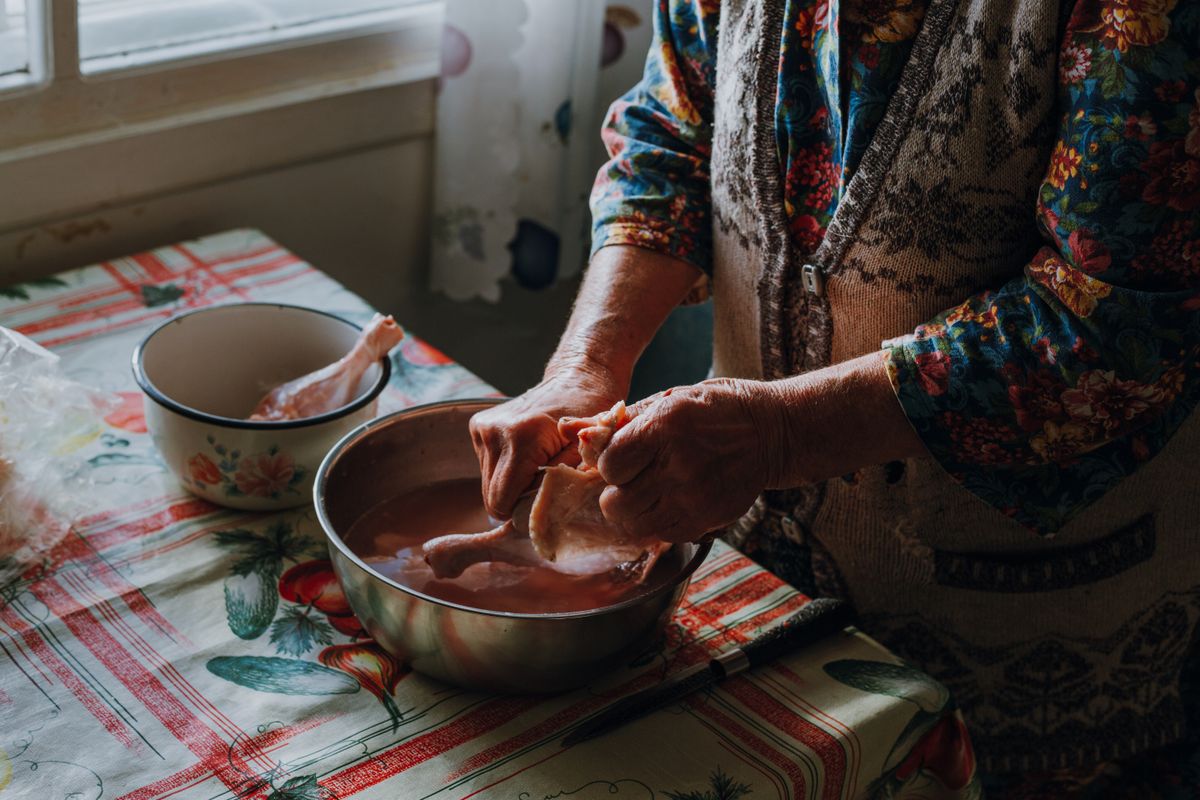
Washing chicken before cooking is common, but the U.S. Department of Agriculture advises against it. The same recommendation applies to raw turkey, beef, and pork. Running raw meat under the faucet can spread bacteria through splashing water and meat juices. Those splashes can reach the sink, countertops, utensils, and nearby ingredients. According to the USDA, rinsing poultry doesn’t provide the protection some home cooks expect.
Instead, keep raw meat separate from other ingredients and wash your hands and cooking equipment after handling it. Use a food thermometer to check that the meat reaches its recommended cooking temperature. Brining chicken in salt water or other liquids is a separate cooking technique, not a substitute for proper handling.
Related post: 7 Foods You Should Never Wash Before Cooking
Treating Fish Fillets and Shellfish the Same Way
Not all seafood needs the same preparation, which can make things confusing. A packaged fish fillet and a handful of mussels may both come from the seafood counter, but cleaning them involves different steps. The Food and Drug Administration advises against routinely washing raw fish because splashing can spread bacteria around the kitchen. For ordinary retail fish fillets, handle them carefully, keep them separate from other foods, and cook them according to the appropriate instructions.
Shell on seafood can be different. Oregon Sea Grant recommends rinsing and scrubbing mussel shells to remove sand and grit before you prepare them. That distinction matters because removing debris from a shell isn’t the same as washing bacteria off a fish fillet. Rather than applying one rule to everything at the seafood counter, consider the specific product you’re preparing.
Washing Store Bought Eggs Before Cracking Them
It’s understandable to assume rinsing an eggshell cleans it before it reaches your frying pan. However, commercially processed eggs sold in U.S. supermarkets have already undergone washing. Rinsing them again at home is unnecessary and can increase the risk of cross-contamination. The USDA’s Food Safety and Inspection Service advises consumers not to rewash commercially washed eggs.
Instead, select eggs with clean, uncracked shells and keep them refrigerated in their original carton at 40°F or below. Wash your hands and equipment after handling raw eggs. One important distinction concerns eggs collected from backyard chickens. Small-flock egg handling may involve different cleaning procedures, so supermarket guidance shouldn’t automatically be applied to every egg. For ordinary U.S. grocery store eggs, there’s no need to add another washing step before cooking.
Rewashing Bagged Salad Greens Without Checking the Label
Bagged salad greens are convenient, but it’s easy to assume they need another wash as soon as the package is opened. Sometimes they do. Other times, the manufacturer has already done that. According to the FDA’s produce guidance, greens labeled prewashed or ready to eat can be used without additional washing. That doesn’t mean you can’t wash them again. It simply means an extra rinse isn’t necessary when the product has been prepared for immediate use.
Check the package rather than assuming based on how the greens are sold. A sealed bag of ordinary, unwashed lettuce is different from a product clearly labeled ready to eat. Use clean utensils and preparation surfaces, and keep salad ingredients separate from raw meat and its juices. Sometimes the best kitchen shortcut is recognizing that a preparation step has already been done for you.
Believing Mushrooms Should Never Touch Water
You’ve probably heard the advice that mushrooms should never be washed because they’ll absorb water and become soggy. That familiar kitchen rule is more restrictive than it needs to be. Fresh mushrooms should be cleaned before preparation, and a brief rinse is an acceptable method for wide common varieties. Wiping them with a damp cloth or gently brushing away visible debris can also work. The University of Illinois Extension recommends waiting to wash mushrooms until shortly before use, rather than storing them wet.
The difference between rinsing and soaking is worth remembering. A quick cleaning step isn’t the same as leaving mushrooms submerged in water. Preparation also depends on the type of mushrooms you’re using. Dried mushrooms have their own rinsing and rehydration instructions, which shouldn’t be replaced with a universal wipe only rule. For ordinary fresh mushrooms, clean them close to cooking time and choose the method that suits the preparation.
Following the Same Rinsing Rule for Every Type of Rice
Ask several home cooks whether rice should be washed before cooking, and you’ll probably hear different answers. Some rinse rice automatically, while others pour it straight into the pot. Neither habit should become a universal rule for every variety and recipe. Rinsing can remove loose surface starch, which may affect the finished texture. However, different rice varieties and cooking methods respond differently.
Culinary testing published by Serious Eats explores those differences rather than treating all rice as interchangeable. A recipe designed to produce separate grains may have different preparation instructions from one intended to create a creamy consistency. The practical solution is to check the rice package and follow the recipe you’re preparing. If the manufacturer specifies whether to rinse, use that guidance instead of relying on a general kitchen rule. Good rice prep starts with understanding what you’re cooking, not assuming every bag needs the same treatment.